Wildlife abandons 'Europe's Amazon' nature reserve
-
 Loading...
 - Hannie Prinsen
- 13 Oct 2022
- 80 Views
- 0 Like
- 0 Comment
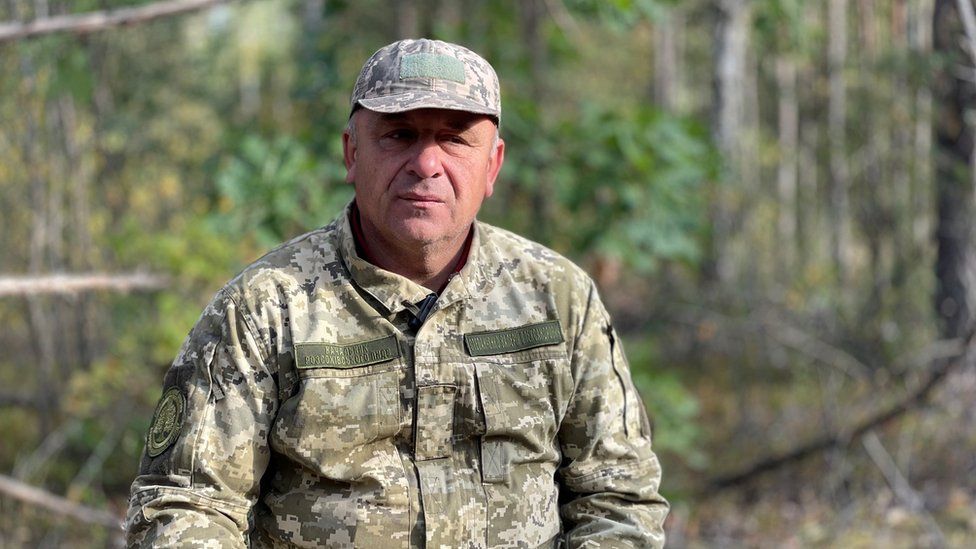
Valeri Stepanenko Oleksandrovych is dressed like a soldier, flanked by men armed with Kalashnikovs while keeping a constant eye on the news.
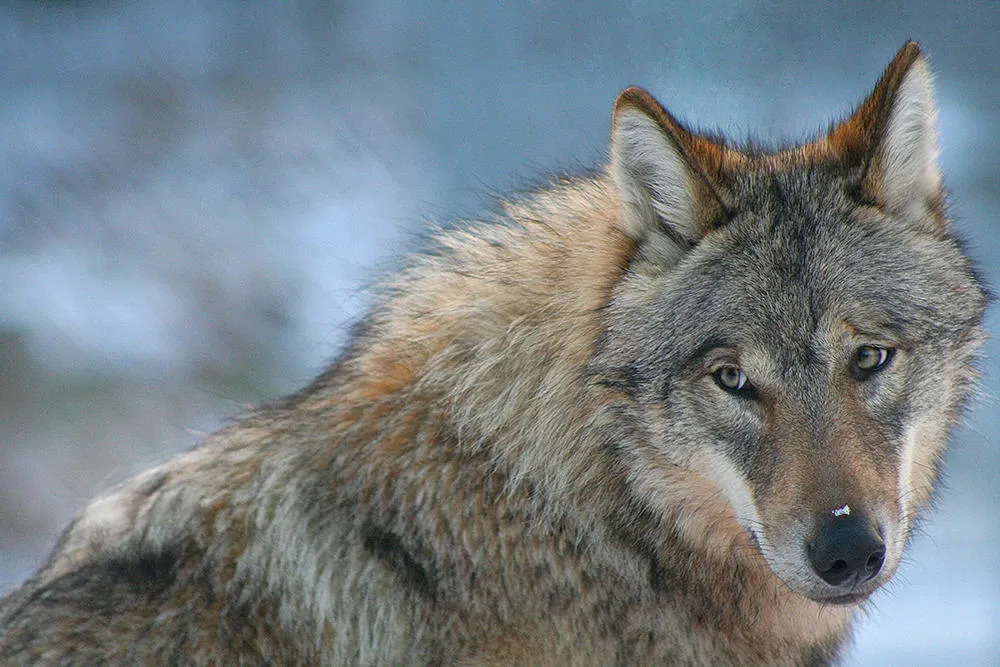
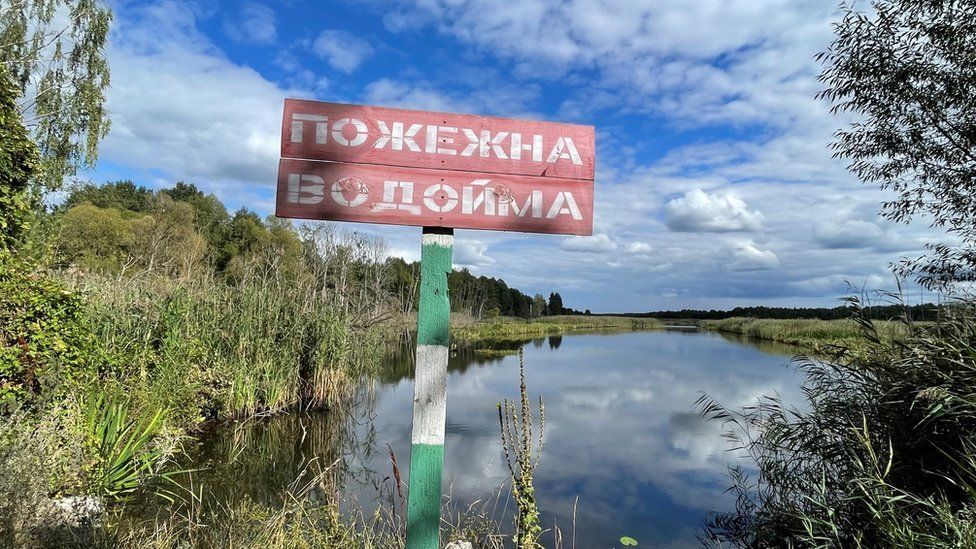
He is a forest ranger in Ukraine's Drevlyansky nature reserve, helping to patrol what once was a pristine sanctuary for wildlife in northern Ukraine. With its marshes, lakes, woods and heathland, it is a place so rich in wildlife it has even been called Europe's Amazon.
But situated just 15 miles from the border with Belarus, it is in a dangerous part of the world and Mr Stepanenko has every reason to be wary.
It was across this border in February that Russia sent rockets, missiles and artillery shells, followed by an invading armoured column that got all the way south to the outskirts of the capital, Kyiv, before being driven back by Ukrainian defenders armed with the latest Western weapons.
"Russian land mines," Mr Stepanenko says, perched on a fallen log beside a forest track. "That's the worst legacy left behind by the invasion. That and the forest fires they set off with their shell fire."
The Russians invaded Ukraine on 24 February from three sides - from the north in Belarus, their own territory in the east, and Crimea which they had seized and annexed in 2014.
It is fair to assume preserving Ukraine's rarer species of flora and fauna was probably not top of President Putin's priorities when he sent his tanks rolling across the border.
The artillery shells the Russians fired into northern Ukraine ignited forest fires that have burnt through more than 2,000 hectares (nearly 5,000 acres) of previously-untouched forest, sending wildlife scattering, incinerating recently-discovered orchids and hundreds of other rare plants.
One look at the scorched and fire-blackened trunks of the trees suggests wildlife in this part of Ukraine will not be coming back any time soon. There is simply nothing for them to eat, nowhere for them to hide.
Shells also landed on the nearby town of Narodychi where, according to the Ukrainians, local collaborators helped the invading Russians by guiding their artillery fire towards concentrations of troops.
"We still have to watch out for infiltrators coming across from Belarus," says Mr Stepanenko.
This would explain the heavily-armed Ukrainian patrols we witnessed here near the border - small groups of fit-looking men carrying sniper rifles and walkie talkies, with Alsatians panting at their side. Read More...