How the war in Ukraine is killing marine mammals
-
 Loading...
 - Noah Janssen
- 25 Jan 2023
- 75 Views
- 0 Like
- 0 Comment
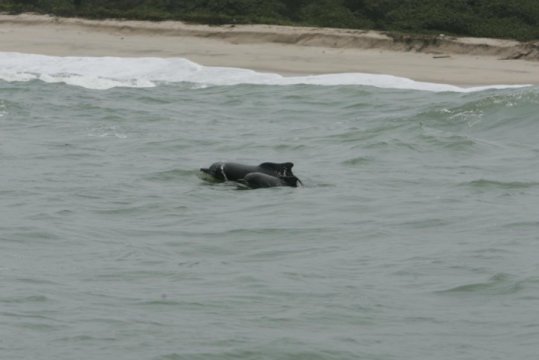
Dolphins and porpoises have been washing up dead on the shores of the Black Sea in unusually high numbers – scientists investigating the strandings are now pointing the finger at increased Russian naval activity due to the war in Ukraine.
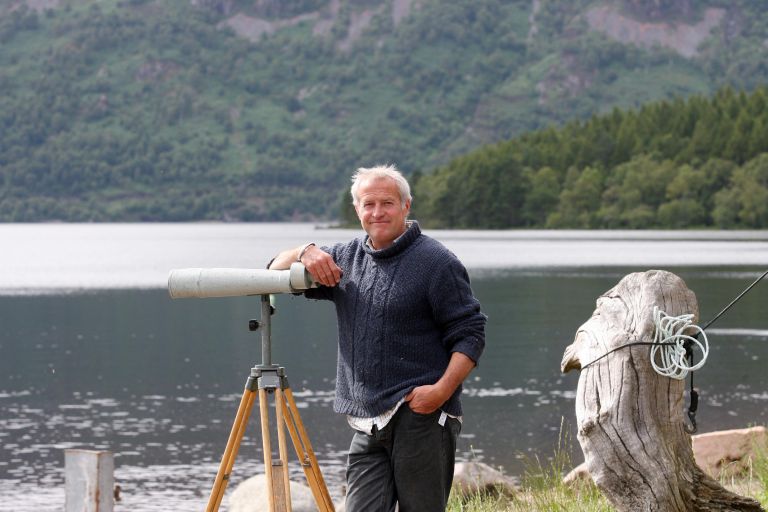
Every morning at dawn, Ivan Rusev walks along the shoreline of the Black Sea in south-western Ukraine. In the autumn, he was watching as millions of migratory birds set off for the south. The last of the pelicans departed at the end of September and they won't return until March.
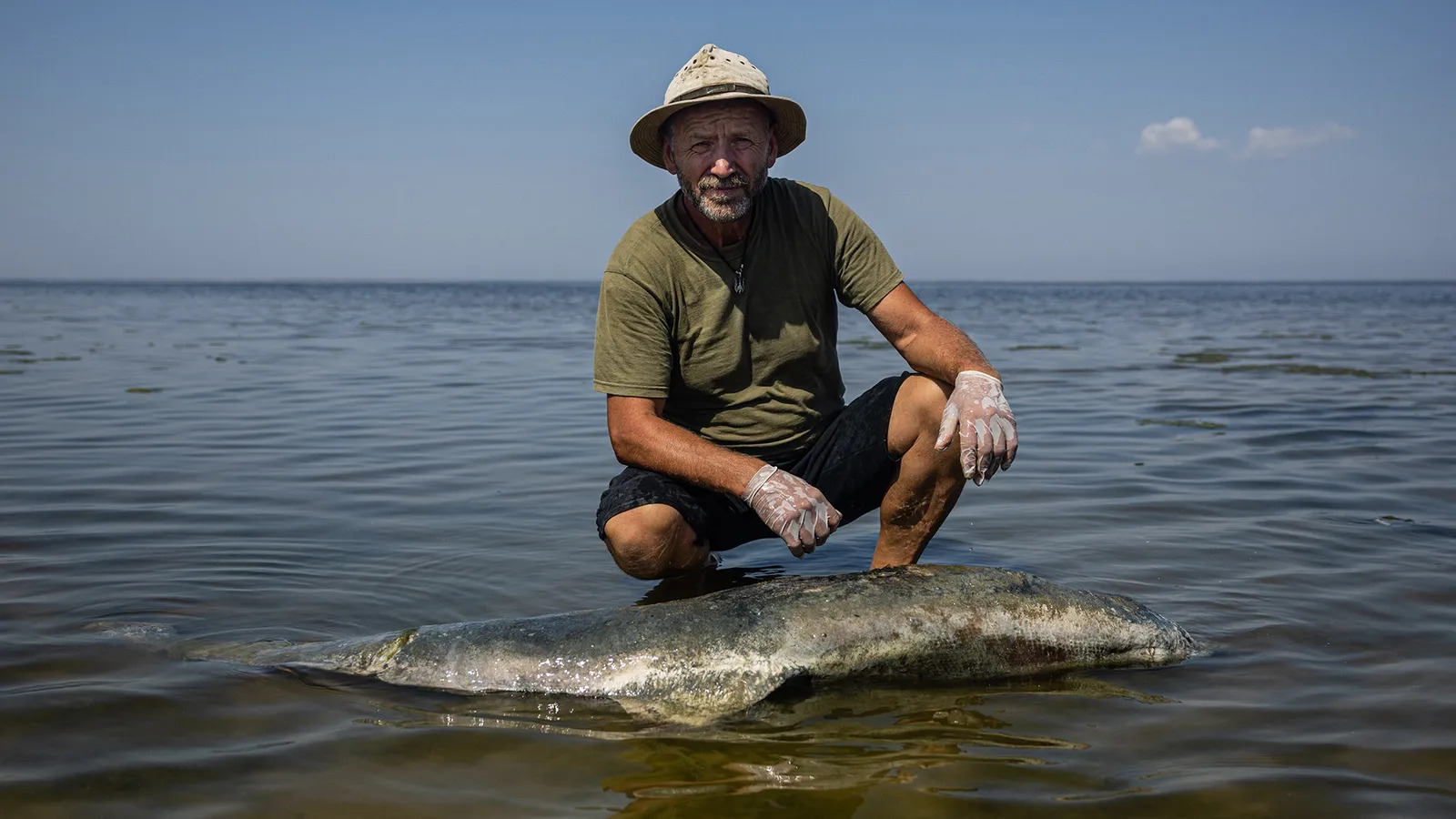
While these migrations continue in their established patterns, other wildlife in this region have been greatly disturbed. In the months after Russia's full-scale invasion of Ukraine in February, Rusev noticed a new and troubling phenomenon: dolphins and porpoises were washing up dead on the beach in unusually high numbers. When he'd found dead animals here in previous years, many had marks on their bodies that suggested they had got caught up in fishing gear. These latest marine mammals had none.
Rusev is the head of research at Tuzly National Nature Park, in south-west Ukraine, not far from the border with Moldova. In a normal year, he says, he finds perhaps three or four dead dolphins along the 44km (27 miles) of shoreline in the park. Once the war began, most of the shoreline was closed by the military. Between 24 February 2022 and the end of August, he and his colleagues discovered 35 dead cetaceans along the 5km (3 miles) of shoreline still accessible. His team spoke to their counterparts in other Black Sea countries, except Russia and Georgia. Some of Ukraine's national parks, including one near the devastated city of Mariupol, are now in Russian occupied territory. Rusev's team couldn't reach any of their colleagues there.
When they put all the numbers together, 2,500 dead dolphins had been reported to have washed up on shore by May 2022. But because most dead dolphins simply sink to the bottom of the sea and are never counted, Rusev believes the actual number is much higher. Other organisations around the Black Sea have also noticed an increase. Mare Nostrum, a Romanian association of environmental specialists, says it has registered the highest number of stranded cetaceans since at least 2010. Marian Paiu, executive director of Mare Nostrum, says they had recorded 194 individual animals stranded between January and the end of September. In most years, they record fewer than 100. Read More…