What to do when temperatures rise: Tips for managing a fever
-
 Loading...
 - David Smith
- 02 Nov 2022
- 64 Views
- 0 Like
- 0 Comment
You realize your typically rambunctious and energetic kid has stopped bouncing around, hasn’t moved from the couch for more than an hour and isn’t hungry. When you go to check on them, you discover they’re burning up. Uh-oh, a fever.
As we head into cold and flu season, the likelihood of this scenario unfolding in your home is on the rise. But as Dr. Natasha Collia, a pediatric emergency physician at The Hospital for Sick Children, reminds us, “fever is not necessarily a bad thing. Fever is simply your body’s way of alerting you that it’s fighting an infection.”
Here is Collia’s advice on how to manage rising temperatures in your household.
How do I know if my child has a fever?
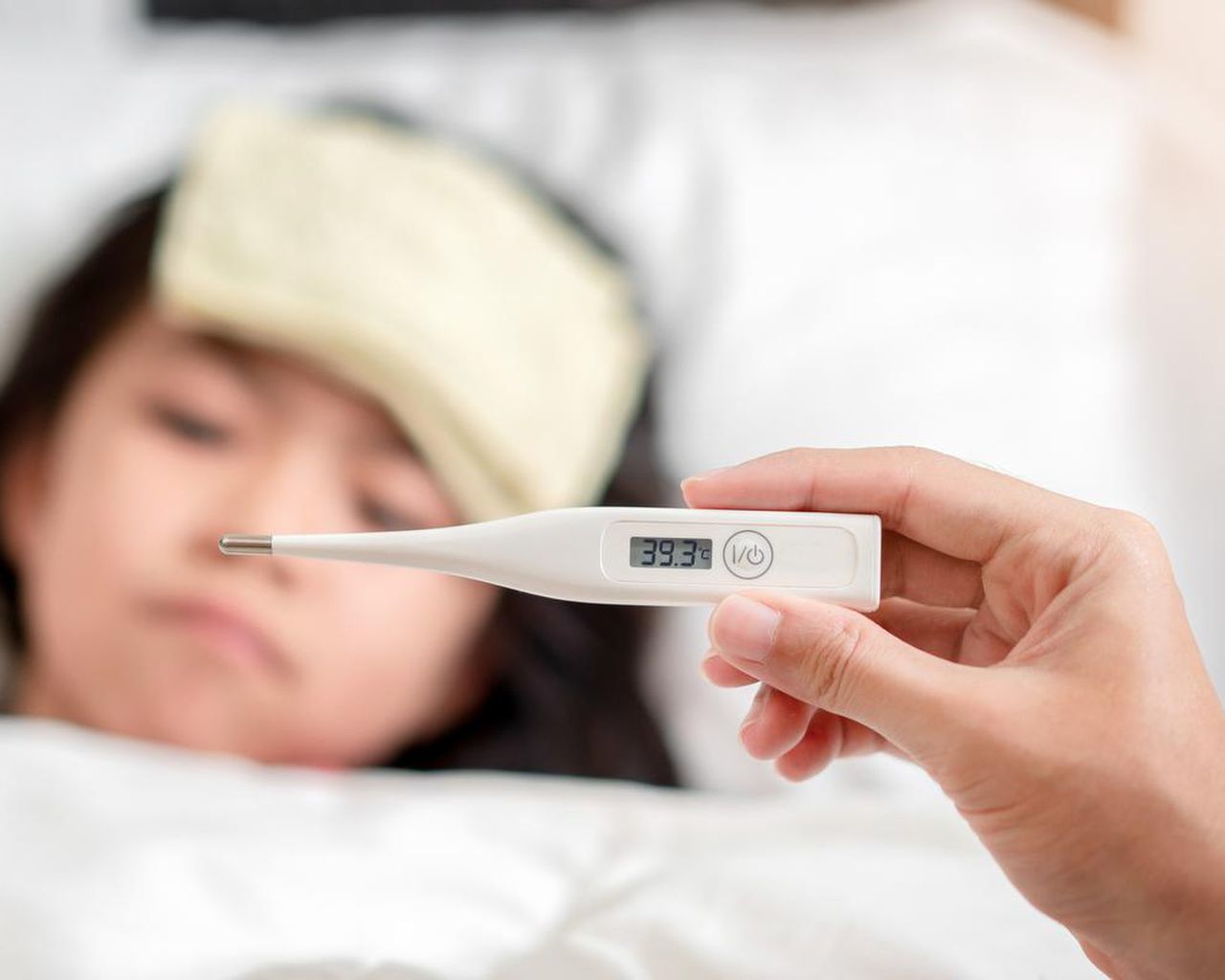
Touching your child’s skin is not a reliable way to check for fever. To confirm a fever, you’ll need to take your child’s temperature. Any temperature of 38 C (100.4 F) or higher is a fever.
What’s the best way to take my child’s temperature?
If your child is under a year, we recommend using a rectal thermometer for the most accurate temperature. You can continue using this method up to age two. Make sure to use a digital thermometer, not a glass thermometer which contains mercury. Read More...