Pipetting in Microbiology: 5 Things You’re Forgetting
-
 Loading...
 - Devi Persik
- 02 May 2023
- 69 Views
- 0 Like
- 0 Comment
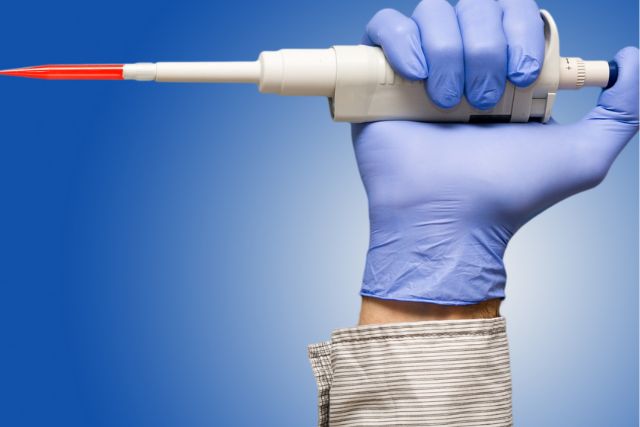
Pipetting is a common and widely found laboratory technique to accurately measure and transfer small volumes of liquids. This is done using pipettes that are available in varying ranges and sizes. They consist of a plunger to pick a particular liquid amount and a calibrated tube. The parts of the pipette are sensitive to damage and most of the time, we forget their proper handling that promote this damage. In microbiology laboratories, pipettes are used to measure volumes varying between micro and millilitres. Inaccurate pipette readings can result in errors and affect the experiment. Therefore, it is imperative to maintain pipettes and handle them correctly for precise results. There are ample ways that can affect the accuracy of the results but pipetting is one of the commonest of them all.
The inaccuracy in the results can come if you are forgetting these five things:
Not considering consistent calibration
Most of the time, not taking accountability for the equipment can affect the results. Researchers in the laboratories should consider calibrating their pipettes systematically. Their calibration is necessary for preventing errors in the results occurring due to the changed volume of the liquids. Mechanical failures such as piston contamination and damage due to pushing against the limit during the picking and expelling of the liquid affect the accuracy. Most laboratories fail to calibrate pipettes due to the high cost of services. But it is necessary for the researchers to consider monthly or quarterly calibration of the pipettes and in-house calibration every day depending on requirements.
This will improvise the results and is more effective when resources are scarce.
Forgetting right way of immersing the tip in liquid
It generally happens when the researchers are in a haste, they immerse the tip in slant position to collect the required amount of liquid. If the tip is not immersed properly, the air can fill the space and wrong liquid volume is aspirated. The pipette should always be held straight while sucking the liquid. The tip should be left in the liquid for a second and then it should be taken out. These pauses are necessary because liquid continues to move into the tip after plunging is done. Another important factor that is forgotten most of the time is right plunging. The plunger is pressed even after its highest limit. This does not take extra liquid but the pipette can get damaged. Moreover, the tip should never be held from the pointed end and use it to take the liquid as it contaminates the reagents and samples. Thus, these factors are considered. Read More…