Biological sciences that advances global progress
-
 Loading...
 - Genevieve Allard
- 29 May 2023
- 68 Views
- 0 Like
- 0 Comment
Biological sciences play a vital role in advancing global progress, driving innovation, and improving various aspects of human life. From understanding the complexities of the human body to exploring the intricacies of ecosystems, biological sciences encompass a vast array of disciplines that contribute to the betterment of our world. In this article, we will delve into the various branches of biological sciences that are instrumental in advancing global progress, explore their significance, and discuss their impact on society.
Understanding the Human Body: Anatomy and Physiology
The field of anatomy and physiology focuses on unraveling the intricacies of the human body, exploring its structure, and understanding its functions. Through detailed studies, anatomists dissect and examine the body's various organs, tissues, and systems to gain valuable insights into human health and well-being. Physiologists, on the other hand, explore the mechanisms that enable our bodies to function, from the beating of our hearts to the firing of neurons in our brains. By comprehending the complexities of the human body, researchers in this field contribute to medical advancements and the development of treatments for various diseases and conditions.
Investigating Genetic Patterns: Genetics and Genomics
Genetics and genomics delve into the study of heredity and how genes influence the traits and characteristics of living organisms. Geneticists employ various techniques to identify, analyze, and manipulate genes, providing valuable insights into inherited disorders, genetic variations, and the overall functioning of organisms. The advent of genomics has revolutionized the field by enabling the study of entire genomes, paving the way for personalized medicine and targeted therapies. Through ongoing research in genetics and genomics, scientists continue to unlock the secrets of our DNA, leading to groundbreaking discoveries and advancements in healthcare.
Preserving Biodiversity: Conservation Biology
Conservation biology aims to protect and preserve the delicate balance of ecosystems and biodiversity. By studying the interactions between organisms and their environment, conservation biologists identify strategies to mitigate the impacts of human activities on natural habitats and species. This field plays a crucial role in safeguarding endangered species, restoring degraded ecosystems, and promoting sustainable practices. The knowledge gained through conservation biology not only helps in preserving the beauty and diversity of our planet but also ensures the continuity of ecosystem services that support human well-being.
Unraveling the Microscopic World: Microbiology
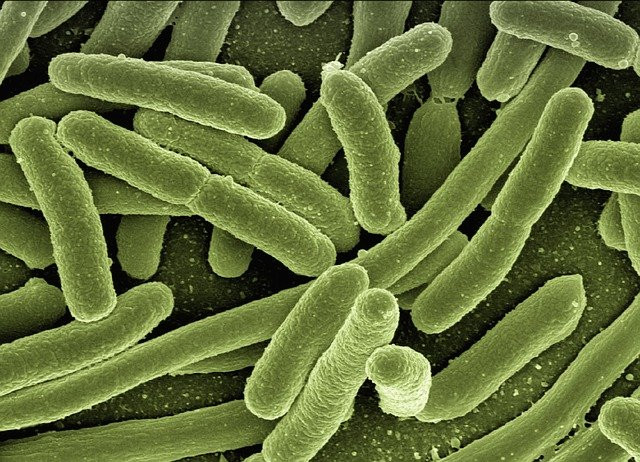
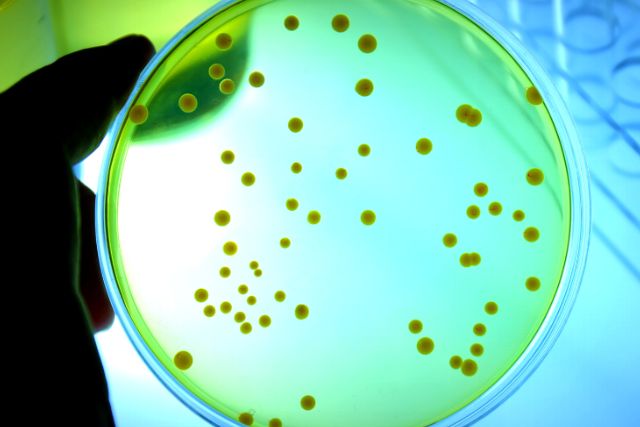
Microbiology is the study of microorganisms, including bacteria, viruses, fungi, and protozoa. These tiny organisms are often invisible to the naked eye, yet they have a profound impact on various aspects of life, from human health to environmental processes. Microbiologists investigate the roles of microorganisms in infectious diseases, industrial applications, agriculture, and beyond. Their research contributes to the development of antibiotics, vaccines, and novel biotechnological processes. By understanding the microscopic world, microbiologists help advance medical science, improve food production, and protect the environment.
Harnessing Nature's Potential: Biotechnology
Biotechnology harnesses the power of biological processes, organisms, or systems to develop innovative solutions for various challenges. This multidisciplinary field combines biology, chemistry, engineering, and other sciences to produce advancements in medicine, agriculture, and industry. Through genetic engineering, biotechnologists create genetically modified organisms (GMOs) with enhanced traits, leading to improved crop yields, disease-resistant plants, and more sustainable agricultural practices. In medicine, biotechnology has paved the way for the development of life-saving drugs, such as insulin and monoclonal antibodies, revolutionizing healthcare.
Understanding Ecosystems: Ecology
Ecology focuses on the study of interactions between organisms and their environment, providing valuable insights into the dynamics and functioning of ecosystems. Ecologists investigate the interdependencies of species, the flow of energy and nutrients, and the effects of environmental changes. This knowledge is crucial for addressing pressing global issues, such as climate change, deforestation, and habitat degradation. By understanding ecosystems, ecologists contribute to sustainable resource management, conservation efforts, and the mitigation of human-induced impacts on the environment.
Frequently Asked Questions (FAQs)
Q: What is the significance of biological sciences in advancing global progress?
A: Biological sciences provide insights into various aspects of life, including human health, environmental conservation, and sustainable practices. They drive innovation and contribute to the betterment of society by improving medical treatments, developing sustainable technologies, and preserving biodiversity.
Q: How do genetics and genomics contribute to global progress?
A: Genetics and genomics enable researchers to understand inherited disorders, develop personalized medicine, and advance targeted therapies. They have revolutionized healthcare by uncovering the intricacies of our DNA and providing valuable insights into disease prevention and treatment.
Q: What is the role of conservation biology in global progress?
A: Conservation biology plays a vital role in preserving biodiversity, protecting endangered species, and promoting sustainable practices. By studying ecosystems and their interactions, conservation biologists contribute to the continuity of ecosystem services and ensure a healthier planet for future generations.
Q: How does microbiology contribute to global advancements?
A: Microbiology plays a crucial role in understanding infectious diseases, developing antibiotics, and improving industrial processes. Microbiologists contribute to medical science, food production, and environmental protection by studying microorganisms and their impact on various aspects of life.
Q: How does biotechnology drive global progress?
A: Biotechnology harnesses biological processes to develop innovative solutions in medicine, agriculture, and industry. It has led to the development of genetically modified organisms, life-saving drugs, and sustainable agricultural practices, significantly advancing global progress.
Q: What is the importance of ecology in addressing global challenges?
A: Ecology provides insights into the interdependencies of species, the flow of energy and nutrients, and the effects of environmental changes. By understanding ecosystems, ecologists contribute to sustainable resource management, conservation efforts, and the mitigation of human-induced impacts on the environment.
Biological sciences, with their diverse branches and interdisciplinary approaches, play a pivotal role in advancing global progress. From understanding the complexities of the human body to preserving biodiversity and addressing environmental challenges, these sciences contribute to the betterment of society and the protection of our planet. By unlocking the secrets of life, researchers in biological sciences continue to drive innovation, develop life-saving treatments, and shape a sustainable future for all. The knowledge gained from biological sciences paves the way for a brighter tomorrow, where human well-being and the health of our planet go hand in hand.