DNA from archaeological remains show immigration to Scandinavia was exceptional during the Viking period
-
 Loading...
 - Paula Dawson
- 27 Jan 2023
- 94 Views
- 0 Like
- 0 Comment
A new study based on 297 ancient Scandinavian genomes analysed together with the genomic data of 16,638 present-day Scandinavians resolve the complex relations between geography, ancestry, and gene flow in Scandinavia, encompassing the Roman Age, the Viking Age and later periods. A surprising increase in variation during the Viking period indicates that gene flow into Scandinavia was especially intense during this period.
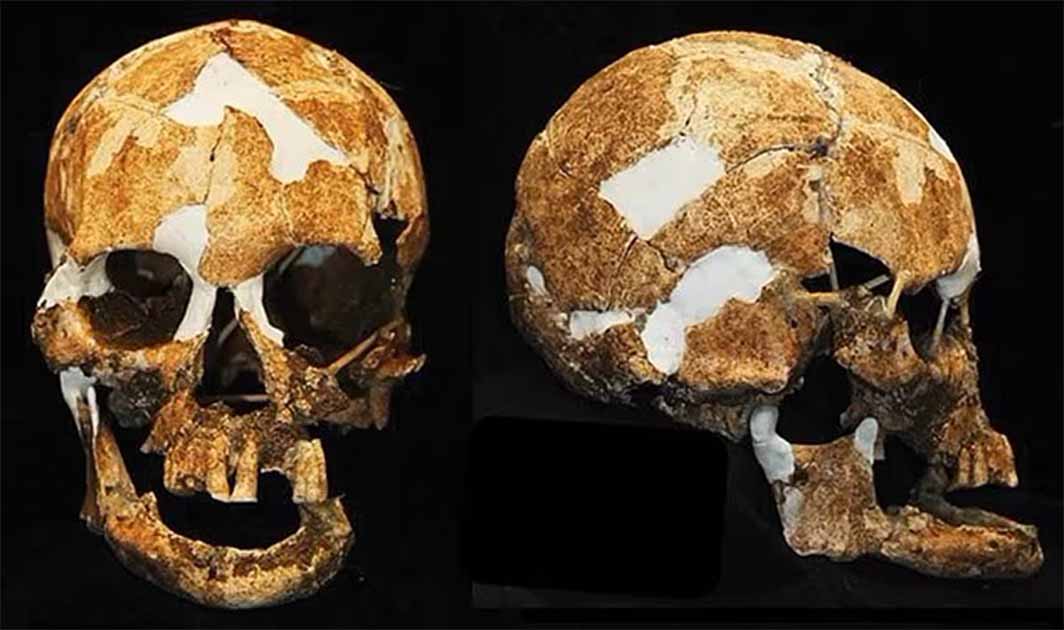
An international study coordinated from Stockholm and Reykjavik investigates the development of the Scandinavian gene pool over the latest 2000 years. In this effort the scientists relied on historic and prehistoric genomes, and from material excavated in Scandinavia. These ancient genomes were compared with genomic data from 16,638 contemporary Scandinavians. As the geographical origin and the datings were known for all these individuals, it was possible to resolve the development of the gene pool to a level never realised previously.
Dr Ricardo Rodriguez Varela at the Centre for Palaeogenetics*, who analysed all the data and extracted some of the ancient DNA used in the study, explains: “With this level of resolution we not only confirm the Viking Age migration. We are also able to trace it to the east Baltic region, the British-Irish Isles and southern Europe. But not all parts of Scandinavia received the same amounts of gene flow from these areas. For example, while British-Irish ancestry became widespread in Scandinavia the eastern-Baltic ancestry mainly reached Gotland and central Sweden.”
The gene pool bounced back after the Viking period
Another new discovery in this study was what happened to the gene pool after the Viking period. The scientists were surprised to find that it bounced back in the direction of what it looked like before the Viking period migration.
Professor Anders Gotherstrom at the Centre for Palaeogenetics, who is a senior scientist on the study, is intrigued: “Interestingly, the non-local ancestry peaks during the Viking period while being lower before and after. The drop in current levels of external ancestry suggests that the Viking-period migrants got less children, or somehow contributed proportionally less to the gene pool than the people who were already in Scandinavia.”
Yet a new discovery was the history of the northern Scandinavian gene pool. There is a genetic component in northern Scandinavia that is rare in central and western Europe, and the scientists were able to track this component in northern Scandinavia through the latest 1000 years. Read More…