Heavy Metals Detected in Sweat With a Low-Cost Sensor
-
 Loading...
 - Lily Pickford
- 27 Jan 2023
- 78 Views
- 0 Like
- 0 Comment
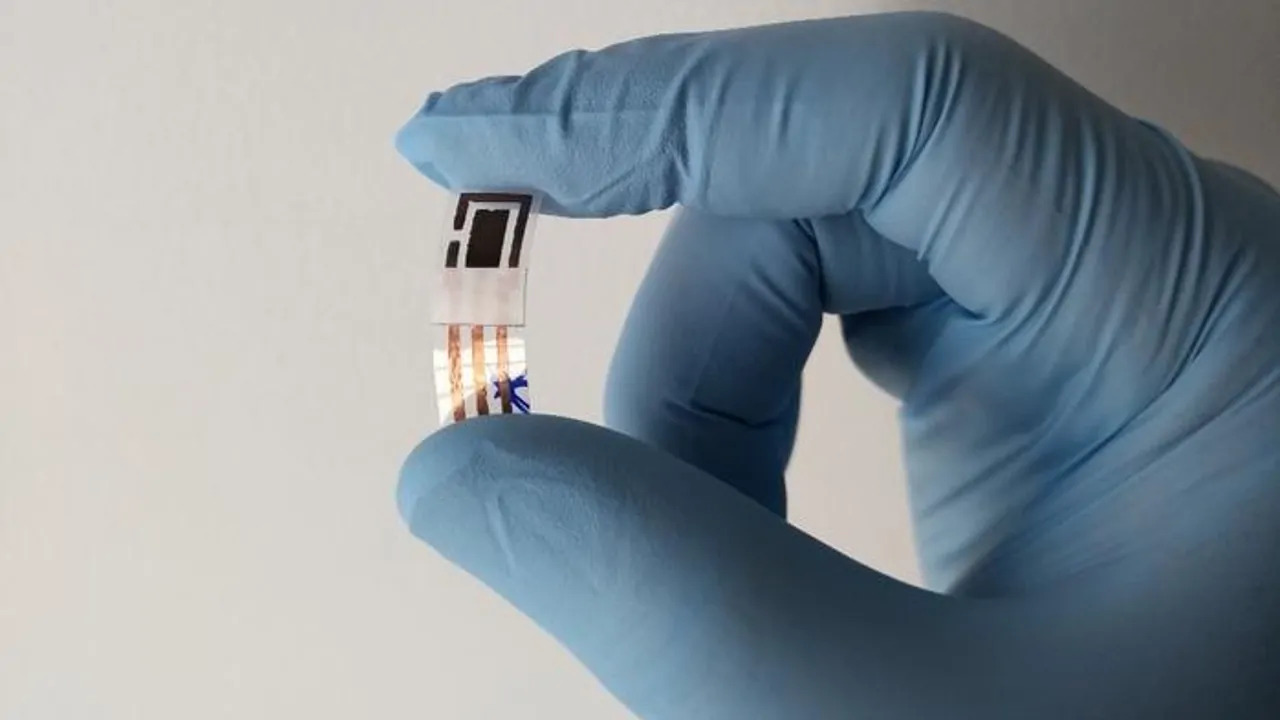
Heavy metals such as lead and cadmium are present in batteries, cosmetics, food and other things that are part of everyday life. They are toxic when they accumulate in the human organism, potentially causing several health problems, but detecting them in body fluids requires expensive equipment and a controlled laboratory environment. Researchers at the University of São Paulo (USP) in Brazil have now developed a portable sensor made of simple materials to detect heavy metals in sweat, which is easily sampled.
The research was supported by FAPESP (projects 16/01919-6 and 16/06612-6) and involved groups at the São Carlos Institutes of Physics (IFSC) and Chemistry (IQSC), as well as collaborators at the University of Munich in Germany and Chalmers University of Technology in Sweden.
The results are published in an article in the journal Chemosensors. “We get important information on a person’s health by measuring their exposure to heavy metals. High levels of cadmium can lead to fatal problems in the airways, liver and kidneys. Lead poisoning damages the central nervous system and causes irritability, cognitive impairment, fatigue, infertility, high blood pressure in adults and delayed growth and development in children,” said Paulo Augusto Raymundo Pereira, last author of the article and a researcher at IFSC-USP.
Humans eliminate heavy metals mainly in sweat and urine, and analysis of these biofluids is a key part of toxicological tests as well as treatment. “The world needs flexible sensors that are easily, cheaply and rapidly mass-produced, as our device is, for on-site detection, continuous monitoring and decentralized analysis of hazardous compounds,” he said.
Unlike other gold-standard tests to detect heavy metals in biofluids, the sensor is simple in terms of the materials used to make it and the stages of its production. “The base of the device is polyethylene terephthalate [PET], on top of which is a conductive flexible copper adhesive tape, a label of the kind you can buy from a stationer’s, with the sensor printed on it, and a protective layer of nail varnish or spray. The exposed copper is removed by immersion in ferric chloride solution for 20 minutes, followed by washing in distilled water to promote the necessary corrosion. All this ensures speed, scalability, low power and low cost,” said Robson R. da Silva, a researcher at Chalmers University of Technology in Sweden and a co-author of the article. Read More…