Scientists Prove Legends of “Negritos†on Taiwan
-
 Loading...
 - Bojing Liu
- 11 Oct 2022
- 76 Views
- 0 Like
- 0 Comment
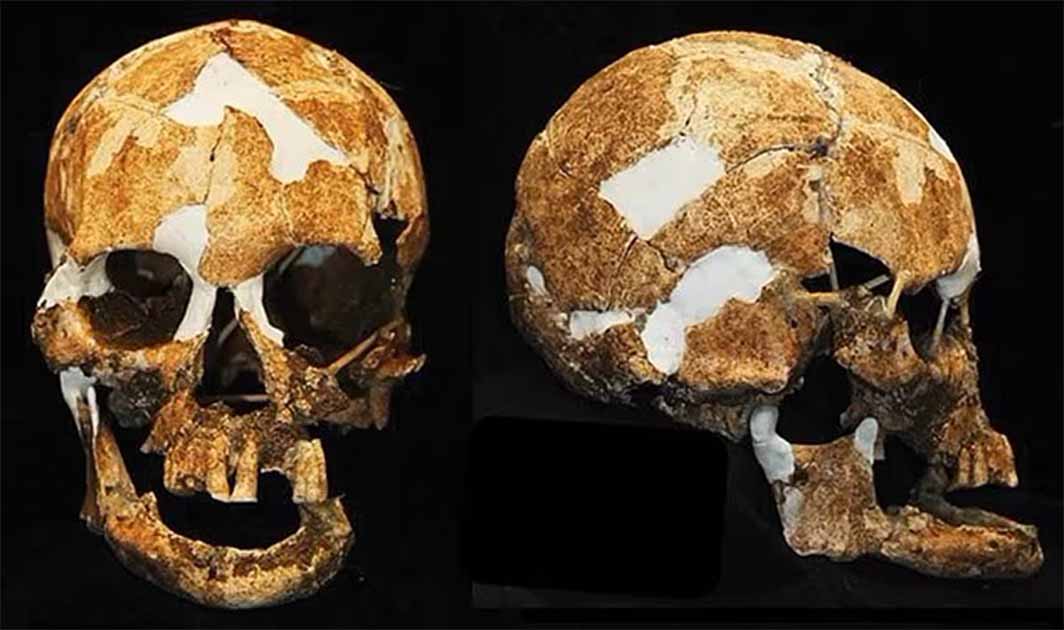
Archaeologists in Taiwan recently discovered an unusual female skeleton buried in a remote cave, which proves centuries-old legends about so-called “short, dark-skinned Negrito people” living in the mountains.
Between 20,000 to 30,000 years ago, sea levels were much lower, and the Taiwan Strait was exposed. This offered a land bridge for the first hunter-gatherers to explore the island of Taiwan. Mainstream archaeology currently maintains that in the Neolithic period (5,000 years ago), Austronesian-speaking farmers from the southeast coast of China began settling on Taiwan. According to history books, the ancient lineage of hunter-gatherers died out 5,000 years ago when they were absorbed into the Neolithic farming cultures, from which modern Taiwanese aborigines descended.
However, a new study suggests the legendary “Negritos” reputed to live in the remote mountains of Taiwan until the 1800s were, in fact, surviving descendants of the first hunter-gatherers on the island.
Measuring Up the Semi-Mythological Ancient Negrito Woman
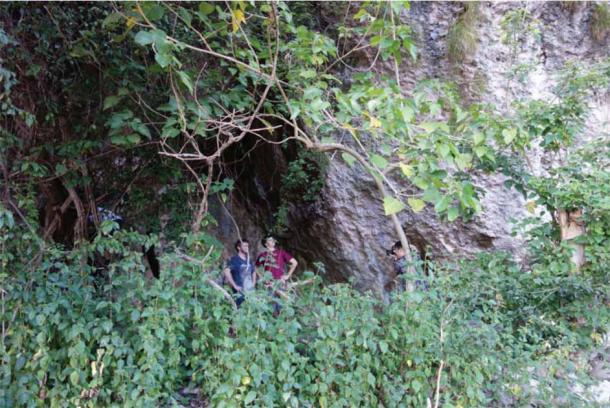
Archaeologists recently discovered a female human skeleton in the Xiaoma Caves, about 400 meters north of Donghe on the eastern coastline of Taiwan. The woman's remains were carefully laid in a squatting position approximately 6,000 years ago. The new paper said this matches the position of hunter-gatherer bodies unearthed from other graves in southern China and Southeast Asia dating from the Paleolithic (50,000 to 12,000 years ago), the Mesolithic (10,000 to 20,000 years ago) and the Preceramic periods (4,000 years ago). Read More…