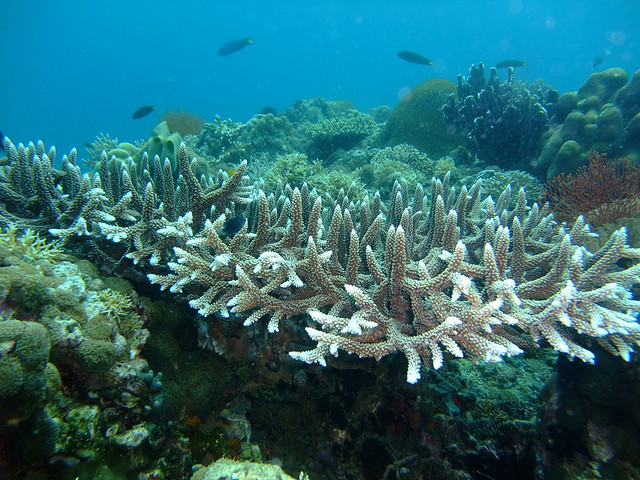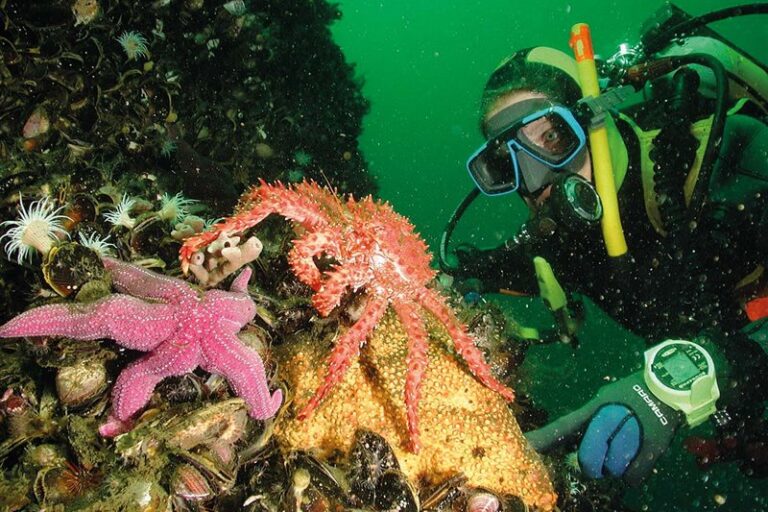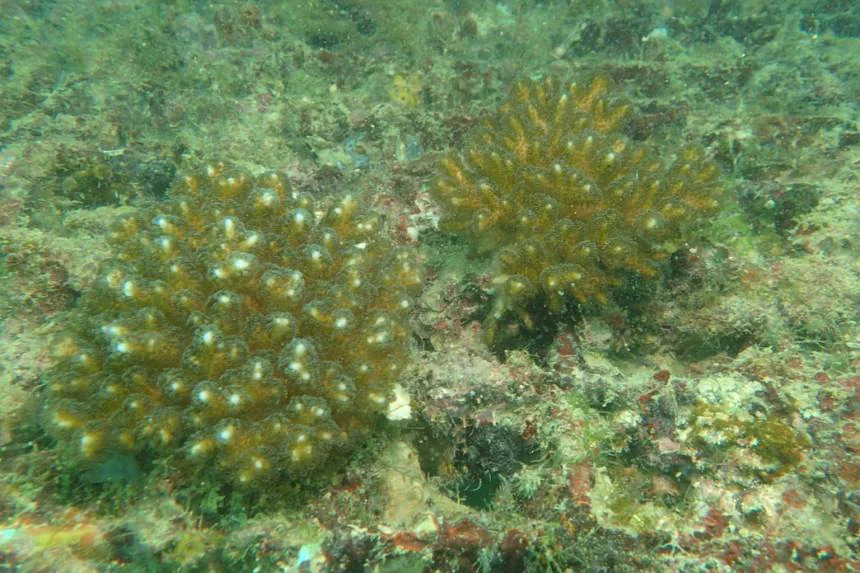
Corals blossom from artificial reef structures sunk in 2018 on seabed off Sisters' Islands
-
 Loading...
 - Feng Huang
- 03 Oct 2022
- 66 Views
- 0 Like
- 0 Comment
Eight coral "planter boxes" - structures up to 10m tall made of concrete and fibreglass - placed in 2018 on the seabed off Sisters' Islands are now showing encouraging signs of life.
Corals cover the fibreglass panels and concrete surfaces at the top 2m to 3m of the structure, where light still streams through, while fish can be found swimming around the structures at deeper, darker depths.
The mission to coax a coral reef garden to bloom from bareness is off to a good start.
Dr Karenne Tun, director at the National Parks Board's (NParks) National Biodiversity Centre, said in an update in September: "Now that we have seen corals naturally (settling) on the artificial reef structures, we hope to see an increase in the number of species and the number of colonies that utilise the space.
"It is heartening to see a wide variety of fishes using the artificial reef structures almost immediately after deployment."
She added: "Close to four years after the deployment of the artificial reef structures, we continue to observe a good diversity of fish species within and around the structures and the adjacent coral reefs."
National University of Singapore (NUS) fish scientist Zeehan Jaafar said the artificial reef structures are significant in size and height, and these traits tend to draw fish looking for prey or refuge to them.
The eight artificial reef structures were sunk in 2018 by NParks and industrial developer JTC on the bare, sandy seabed off Small Sisters' Island - which is part of the Sisters' Islands Marine Park. The aim is to enhance Singapore's marine habitats and contribute to marine conservation.
When the corals grow, the artificial reef structures are expected to contribute about 1,000 sq m - more than 10 times the floor area of a four-room Housing Board flat - of additional reef substrate to the Sisters' Islands Marine Park. Read More…