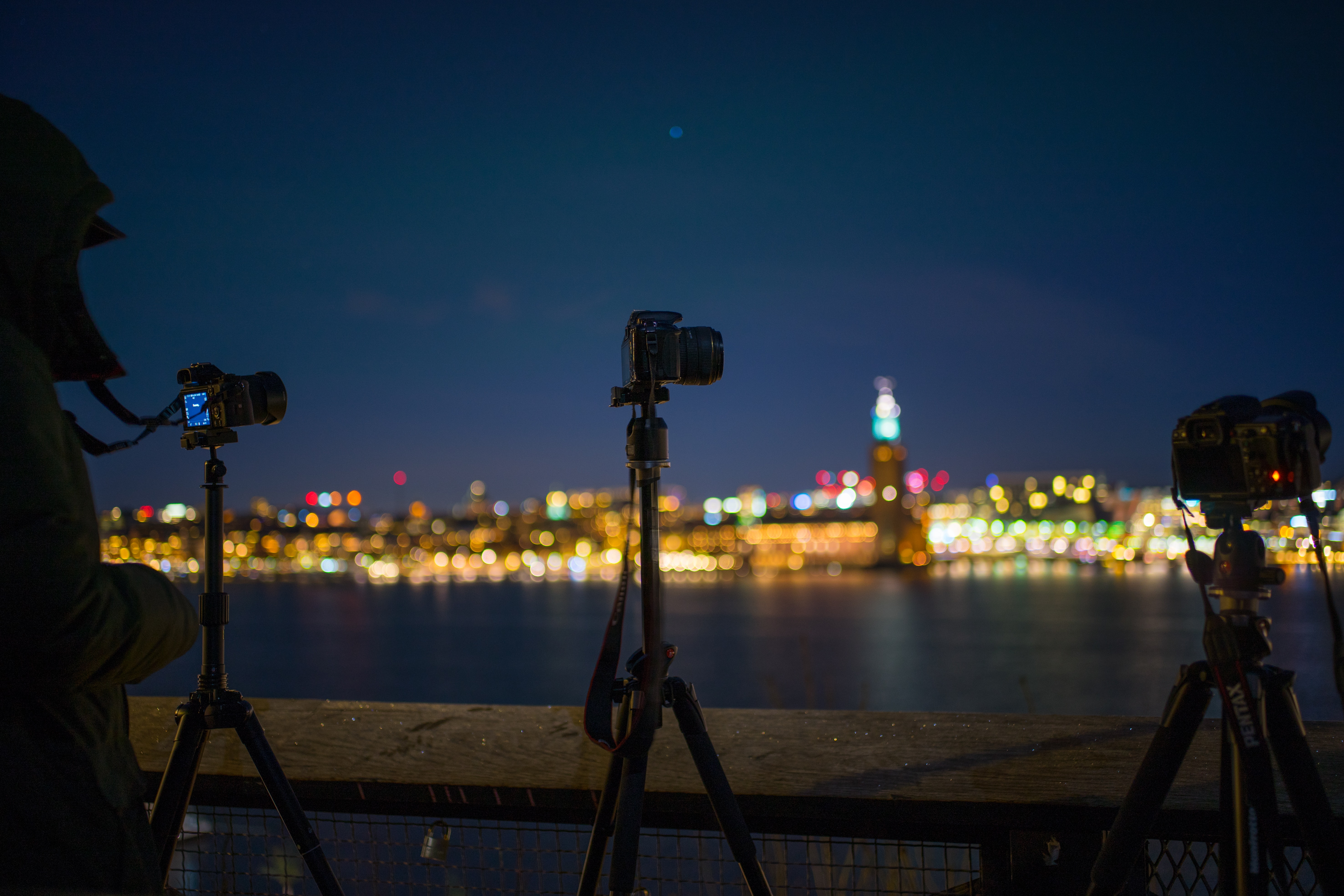
Benefits of a Tripod in Night Photography
-
 Loading...
 - Adimu Kapesa
- 15 May 2023
- 72 Views
- 0 Like
- 0 Comment
Discover the remarkable benefits of using a tripod in night photography. Enhance your skills and capture stunning images in low-light conditions. Learn how a tripod can improve stability, long exposures, composition, and more.
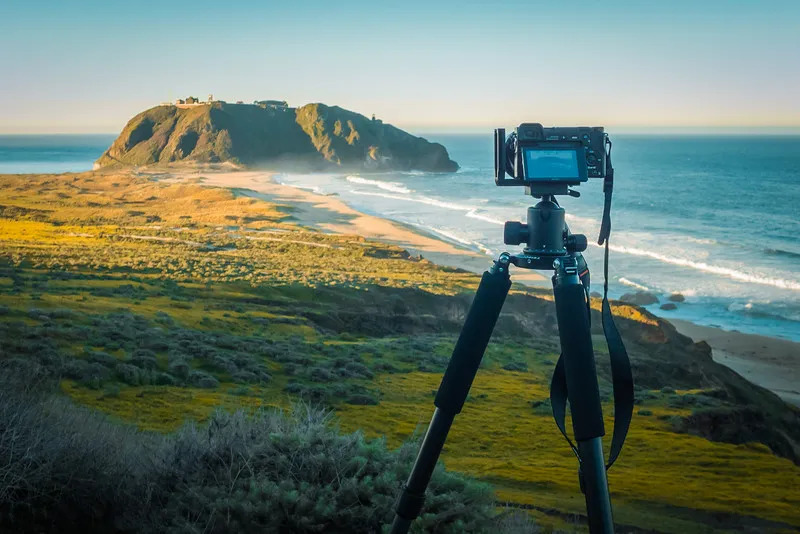
Night photography offers a unique opportunity to capture breathtaking images illuminated by moonlight or artificial sources. However, it presents challenges due to the limited light available. To overcome these challenges and capture stunning shots, photographers often rely on a crucial tool: the tripod. In this article, we will explore the benefits of a tripod in night photography and how it can significantly enhance your skills in capturing mesmerizing images. So, grab your camera and tripod, and let's delve into the captivating world of night photography!
Benefits of a Tripod in Night Photography
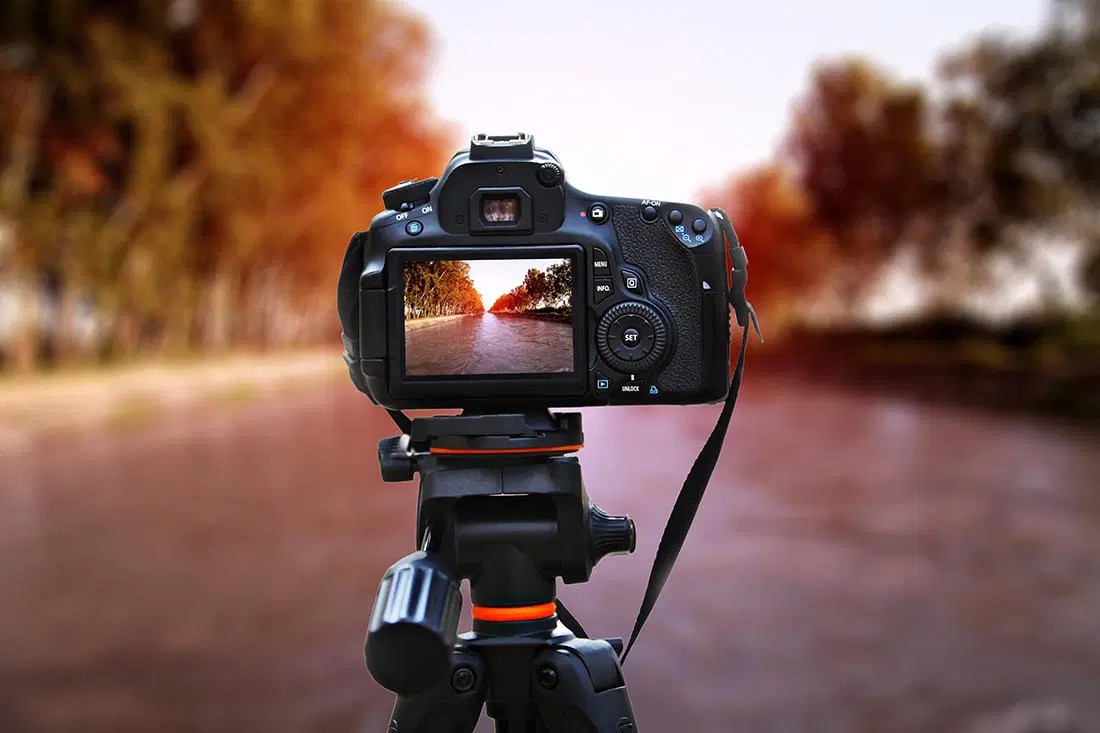
A tripod serves as an essential companion for night photographers, offering numerous benefits that can greatly improve the quality of your images. Let's dive into the advantages of using a tripod in night photography:
1. Enhanced Stability for Sharp Images
In low-light conditions, a steady hand alone is often insufficient to capture sharp, blur-free images. The longer exposure times required for night photography make the camera highly susceptible to even the slightest movement. By utilizing a tripod, you can eliminate camera shake and achieve optimal stability, resulting in tack-sharp photographs. Say goodbye to blurry shots and embrace the clarity offered by a tripod.
2. Extended Exposure Times
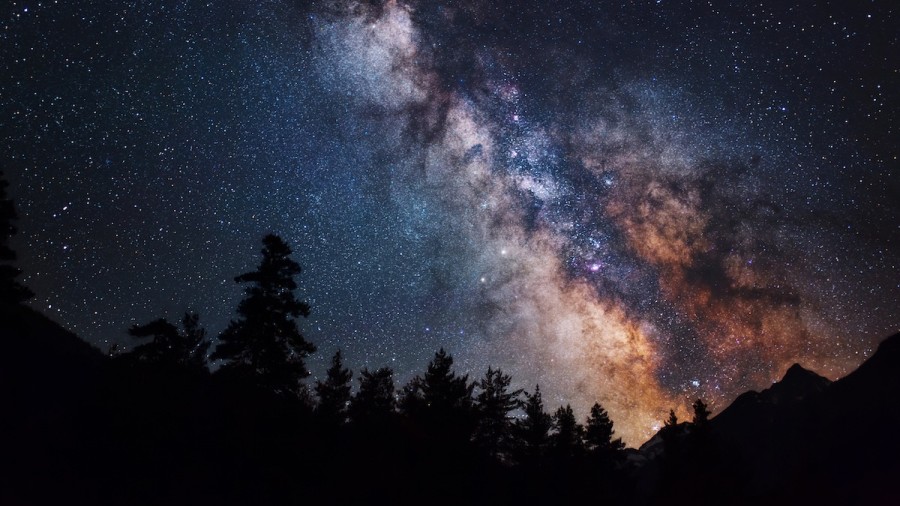
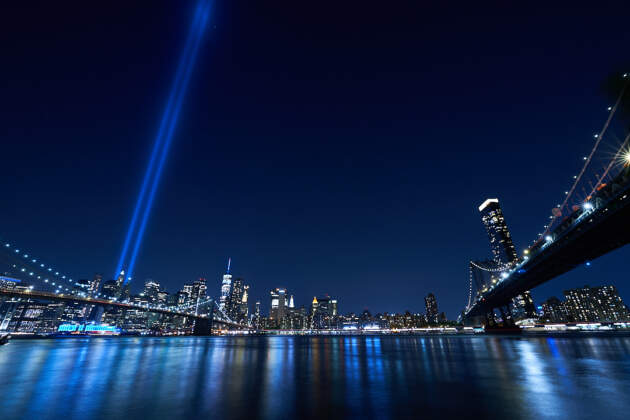
Night photography often demands longer exposure times to capture the available light properly. Holding the camera by hand for extended periods can be tiring and may lead to unintentional movements. A tripod provides a stable base, allowing you to extend the exposure time without compromising image quality. This opens up exciting creative possibilities, such as capturing stunning light trails, starry skies, and smooth water effects.
3. Precise Composition
Composition plays a vital role in photography, and it becomes even more critical in night photography where limited light can create mysterious and dramatic scenes. With a tripod, you gain the advantage of precise composition control. You can carefully frame your shot, experiment with different angles, and make fine adjustments to achieve the desired composition. A tripod allows you to focus on the details and bring your creative vision to life.
4. Low ISO for Reduced Noise
In night photography, achieving a well-exposed image without excessive noise can be challenging. Raising the ISO sensitivity to compensate for low light often introduces unwanted noise and decreases image quality. By using a tripod, you can keep the ISO at a lower setting, reducing noise and preserving finer details in your photographs. The tripod enables you to take advantage of longer exposure times, compensating for the reduced sensitivity without sacrificing image quality.
5. Multiple Exposures and Image Stacking
Night photography frequently involves capturing multiple exposures for blending or image stacking purposes. This technique allows you to combine several images taken at different exposures to create a final image with enhanced dynamic range and detail. Using a tripod ensures consistent framing and alignment between shots, making it easier to merge them seamlessly in post-processing. The stability provided by a tripod greatly simplifies the process of achieving impressive results through exposure blending or image stacking.
6. Focus Stacking and Precision
In certain night photography scenarios, achieving sharp focus throughout the image can be challenging due to shallow depth of field. By employing focus stacking techniques, you can capture multiple images with different focal points and combine them to create a final image with enhanced depth of field. A tripod helps maintain consistent framing and alignment during the capture of these images, ensuring precise focus stacking in post-processing.
FAQs
Q: Why is a tripod essential for night photography?
A: A tripod is essential for night photography because it provides stability, eliminates camera shake, and allows for longer exposure times. It ensures sharp, blur-free images and enables precise composition and focus stacking, all of which contribute to capturing stunning shots in low-light conditions.
Q: Can't I just increase the ISO instead of using a tripod?
A: While increasing the ISO can compensate for low-light conditions, it often introduces noise and reduces image quality. By using a tripod, you can keep the ISO at a lower setting, minimizing noise and preserving finer details in your photographs.
Q: Is a tripod necessary for shooting handheld in low-light conditions?
A: While it's possible to shoot handheld in low-light conditions, using a tripod offers significant advantages. It provides stability, reduces the risk of camera shake, and allows for longer exposures, resulting in sharper images and more creative possibilities.
Q: Are all tripods suitable for night photography?
A: Not all tripods are created equal, and some are better suited for night photography than others. Look for tripods that are sturdy, lightweight, and have features like adjustable legs and a ball head for easy positioning. Additionally, consider the maximum load capacity to ensure it can support your camera and any additional equipment.
Q: Can I use a monopod instead of a tripod for night photography?
A: While a monopod can offer some stability compared to handheld shooting, it doesn't provide the same level of stability as a tripod. A tripod's three legs offer better support and eliminate the risk of the camera toppling over. For optimal results in night photography, a tripod is highly recommended.
Q: Can't I use image stabilization technology instead of a tripod?
A: Image stabilization technology, such as in-camera stabilization or lens stabilization, can help reduce camera shake to a certain extent. However, it's not as effective as using a tripod, especially when it comes to longer exposures or precise composition. A tripod remains the most reliable tool for stability in night photography.
In the world of night photography, a tripod is an indispensable tool that can elevate your skills and unlock the full potential of capturing stunning images in low-light conditions. Its benefits, including enhanced stability, extended exposure times, precise composition, reduced noise, and support for advanced techniques like image stacking and focus stacking, make it a must-have accessory for any night photographer.
Investing in a high-quality tripod will not only improve the technical aspects of your night photography but also enhance your creative expression. So, embrace the power of a tripod and embark on a journey where you can capture the magic and beauty of the night sky with confidence and precision.