8 Top Tripod Tips for Photographers to Consider
-
 Loading...
 - Katrien Vliet
- 23 Jan 2025
- 33 Views
- 0 Like
- 0 Comment
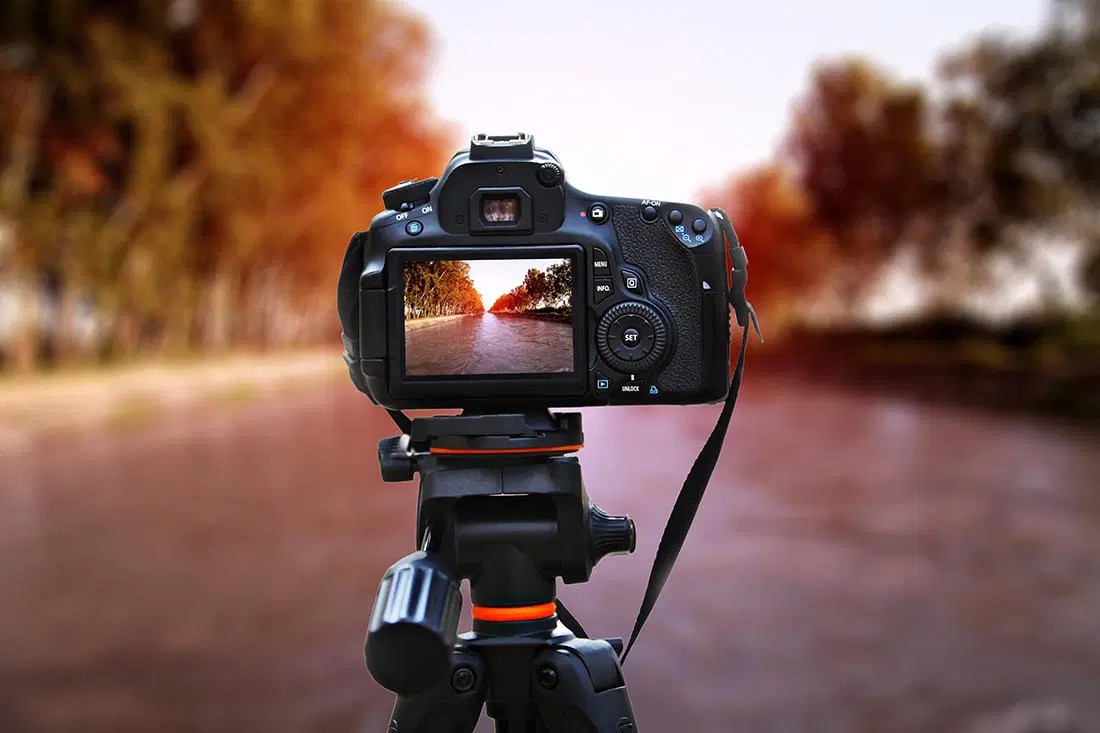
When investing in a new tripod, it’s essential to choose one that meets your specific needs as a photographer. Here are eight important tips to keep in mind when selecting and using a tripod.
1. Know What You'll Be Using It For
Before making a purchase, consider the types of photography you’ll be doing. Whether it’s landscape, portrait, or macro photography, understanding your needs will help you select a tripod that is practical for your intended use. For instance, if you plan to hike, a lightweight and compact tripod will be more suitable than a heavy-duty model.
2. What Type of Tripod?
Tripods come in various types, including full-sized, compact, mini, and monopods. A full-sized tripod offers stability and extends to eye level, making it ideal for most situations. Compact tripods are easier to carry but may sacrifice some stability. Mini and tabletop tripods are great for small spaces, while monopods provide height without the bulk of a tripod, making them useful in crowded environments.
3. Check the Height of the Legs
If you’re purchasing a tripod in-store, extend the legs fully to ensure it reaches the desired height. For online purchases, check the product specifications for height details. A tripod that doesn’t reach your eye level can lead to uncomfortable shooting angles.

4. Have a Look at the Head
Most tripods come with a head, but you can also purchase them separately. Ensure the head allows for both vertical and horizontal shooting. If you plan to shoot panoramas, test how smoothly the head pans. Reading reviews or product descriptions online can provide insights into the head’s functionality.
5. How Quick Is the Quick Release System?
A quick release system is essential for efficiency. Look for a tripod that features a plate that can be easily attached to your camera, allowing for quick mounting and dismounting. You don’t want to struggle with your equipment when you’re out in the field.
6. Legs and Locks
When setting up your tripod, extend the thickest part of the legs first for maximum stability. Always check that the legs are fully extended before placing your camera on the tripod. Locks should be easy to use and secure; choose between lever locks for speed or twist grips for security, but ensure they are locked tight before taking your shot.

7. The Feet
Most tripods have rubber feet for shock absorption and grip on various surfaces. Some models come with spiked feet, which are beneficial for sinking into soft ground, such as sand or wet terrain. Consider the environments you’ll be shooting in when selecting your tripod.
8. Clean Your Tripod
Maintaining your tripod is crucial for longevity. Keep it clean and free of rust, especially after shooting in harsh conditions like saltwater or sand. Rinse it with fresh water after a day at the beach to prevent corrosion and ensure it’s always ready for your next shoot.
By considering these tips, you can select a tripod that enhances your photography experience and meets your specific needs. A well-chosen tripod not only provides stability but also allows you to focus on capturing the perfect shot.