5 Top Tips To Improve Your Public Garden Photography
-
 Loading...
 - Carla Colombo
- 15 May 2023
- 70 Views
- 0 Like
- 0 Comment
Public gardens are a great source of inspiration for photographers. They offer a diverse range of flora and fauna, which can make for some breathtaking pictures. However, capturing the essence of these gardens in your photographs can be a challenging task. There are several factors that you need to consider, such as lighting, composition, and camera settings, to name a few. But don't worry, we have got you covered.
1. Choose the Right Time:
The first tip to improve your public garden photography is to choose the right time. Light is a crucial element when it comes to photography, and the quality of light can make or break a shot. Therefore, it's essential to shoot during the golden hour, which is the hour after sunrise and the hour before sunset. During this time, the light is soft, warm, and diffused, which creates a magical glow in your photographs.
2. Use a Tripod:
The second tip to improve your public garden photography is to use a tripod. A tripod is a three-legged stand that stabilizes your camera and helps eliminate camera shake. This is especially important when shooting in low light conditions or when you want to create a long exposure. By using a tripod, you can also experiment with different compositions and angles without worrying about blurry images.
3. Pay Attention to Composition:
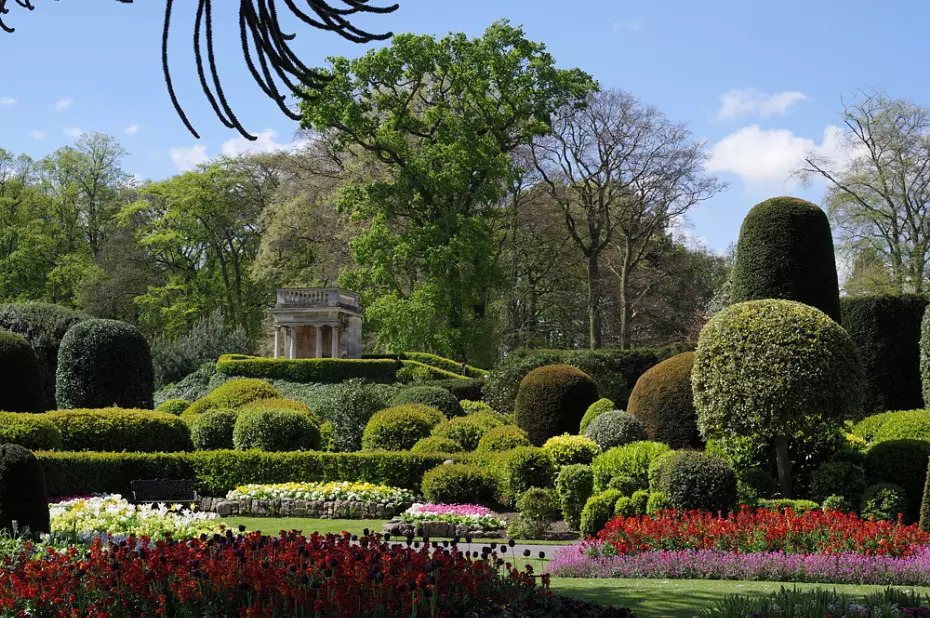
The third tip to improve your public garden photography is to pay attention to composition. Composition refers to how you arrange the elements in your photograph to create a pleasing and balanced image. There are several rules of composition, such as the rule of thirds, leading lines, and symmetry, which can help you create impactful photographs. By following these rules, you can add depth, dimension, and visual interest to your shots.
4. Experiment with Depth of Field:
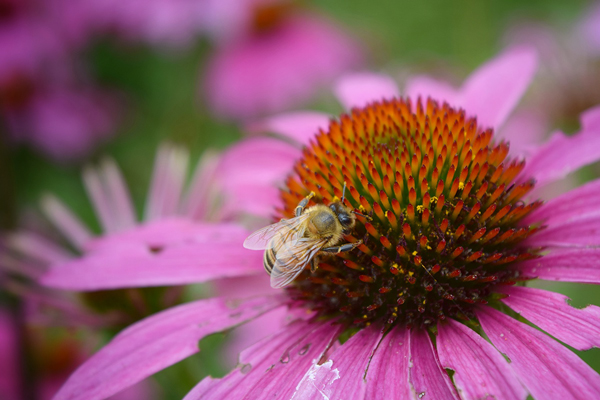
The fourth tip to improve your public garden photography is to experiment with depth of field. Depth of field refers to the area in your photograph that is in focus. By adjusting your aperture, you can control the depth of field and create different effects. For example, a shallow depth of field creates a blurry background, which can isolate your subject and make it stand out. On the other hand, a deep depth of field creates a sharp image throughout the frame, which is ideal for landscape photography.
5. Get Creative with Filters:
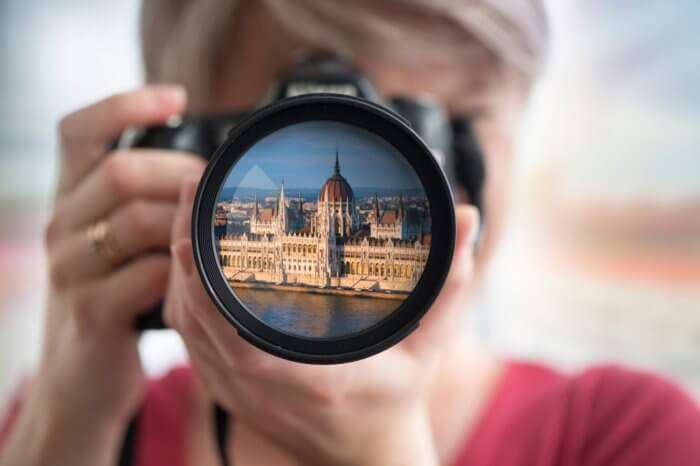
The fifth tip to improve your public garden photography is to get creative with filters. Filters are accessories that attach to the front of your lens and alter the appearance of your photographs. There are several types of filters, such as polarizing filters, neutral density filters, and color filters, which can help you achieve different effects. For example, a polarizing filter reduces glare and reflections, while a neutral density filter allows you to shoot long exposures in bright light. By experimenting with different filters, you can add a unique touch to your photographs and make them stand out.
FAQs:
Q. Do I need an expensive camera to take good public garden photographs?
A. No, you don't need an expensive camera to take good public garden photographs. Even a basic point-and-shoot camera or a smartphone camera can produce great results if you follow the tips mentioned above.
Q. What is the best lens for public garden photography?
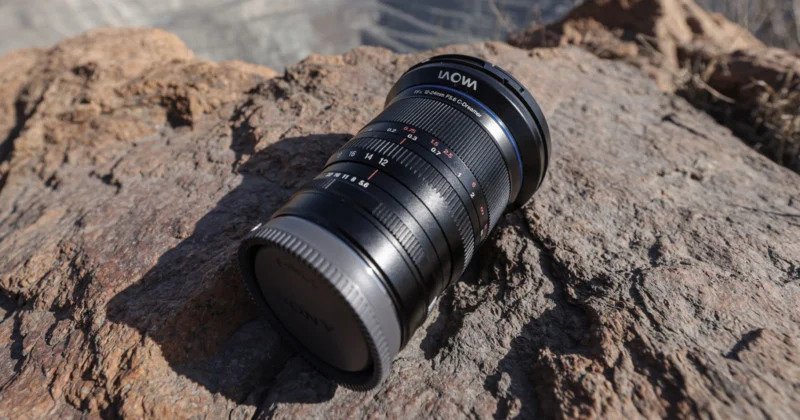
A. The best lens for public garden photography depends on your photography style and personal preference. However, a wide-angle lens can be a great option for capturing the expansive landscape of a public garden, while a macro lens can help you capture the intricate details of flowers and insects.
Q. How can I deal with harsh sunlight in public garden photography?
A. Harsh sunlight can create harsh shadows and overexposed areas in your photographs. To deal with this, you can shoot during the golden hour or use a diffuser or reflector to soften the light. You can also try shooting in the shade or using a polarizing filter to reduce reflections and increase contrast.
Q. How do I make my photographs stand out from the crowd?
A. To make your photographs stand out from the crowd, you need to develop your unique style and vision. Try experimenting with different compositions, lighting, and camera settings to create a distinctive look. You can also look for inspiration from other photographers or explore new locations and subjects.
Q. Can I edit my public garden photographs?
A. Yes, you can edit your public garden photographs to enhance their colors, contrast, and sharpness. However, it's essential to use editing tools sparingly and maintain the natural look and feel of the garden.
Q. How can I showcase my public garden photographs?
A. There are several ways to showcase your public garden photographs, such as social media platforms, photography websites, and print galleries. You can also consider entering photography contests or organizing your exhibition to gain exposure and recognition.
In conclusion, public garden photography is a rewarding and fulfilling activity that can help you connect with nature and unleash your creativity. By following the five top tips mentioned above, you can improve your skills and take stunning photographs of flowers, trees, and landscapes. Remember to choose the right time, use a tripod, pay attention to composition, experiment with depth of field, and get creative with filters. Happy shooting!