
Skincare Routine for Dry Skin: Achieve Healthy and Hydrated Skin
-
 Loading...
 - Abadiano Darna
- 14 Jun 2023
- 104 Views
- 0 Like
- 0 Comment
Dry skin requires special attention and care to restore moisture and maintain a healthy complexion. By following the right steps and using suitable products, you can transform your skin and achieve the radiant glow you've always desired.
Dry skin can be a result of various factors such as genetics, weather conditions, or certain lifestyle choices. It is characterized by a lack of natural oils, leading to tightness, roughness, and a dull appearance. Implementing a consistent skincare routine can alleviate these concerns and revitalize your skin. Let's explore the essential steps involved in a skincare routine for dry skin.
Step 1: Gentle Cleansing

Start your skincare routine with a gentle cleanser specifically formulated for dry skin. Look for cleansers that are fragrance-free and hypoallergenic to avoid any potential irritations. Gently massage the cleanser onto your face using circular motions, and then rinse with lukewarm water. Avoid hot water, as it can further strip away moisture from your skin.
Step 2: Exfoliation

Exfoliation plays a crucial role in removing dead skin cells and promoting cell turnover. However, it's essential to choose a gentle exfoliator suitable for dry skin. Opt for chemical exfoliants containing alpha-hydroxy acids (AHAs) or beta-hydroxy acids (BHAs) instead of harsh physical scrubs. These chemical exfoliants effectively slough off dead skin cells without causing excessive dryness or irritation.
Step 3: Hydration and Moisturization

Hydration is the key to combating dry skin. After cleansing and exfoliating, it's time to replenish your skin's moisture levels. Look for a hydrating toner or essence that contains ingredients like hyaluronic acid, glycerin, or aloe vera. These ingredients help attract and retain moisture, keeping your skin hydrated throughout the day.
Next, apply a rich moisturizer specifically designed for dry skin. Look for moisturizers that contain nourishing ingredients such as shea butter, ceramides, or natural oils like argan or jojoba oil. Massage the moisturizer onto your face and neck using gentle upward strokes. Don't forget to extend the application to your delicate eye area.
Step 4: Sun Protection

Protecting your skin from harmful UV rays is crucial, regardless of your skin type. For dry skin, choose a broad-spectrum sunscreen with an SPF of 30 or higher. Look for sunscreens that offer additional moisturizing benefits and are labeled "non-comedogenic" to prevent clogged pores. Apply sunscreen generously on your face and exposed areas of your body, and reapply every two hours, especially when spending extended periods outdoors.
Step 5: Targeted Treatments
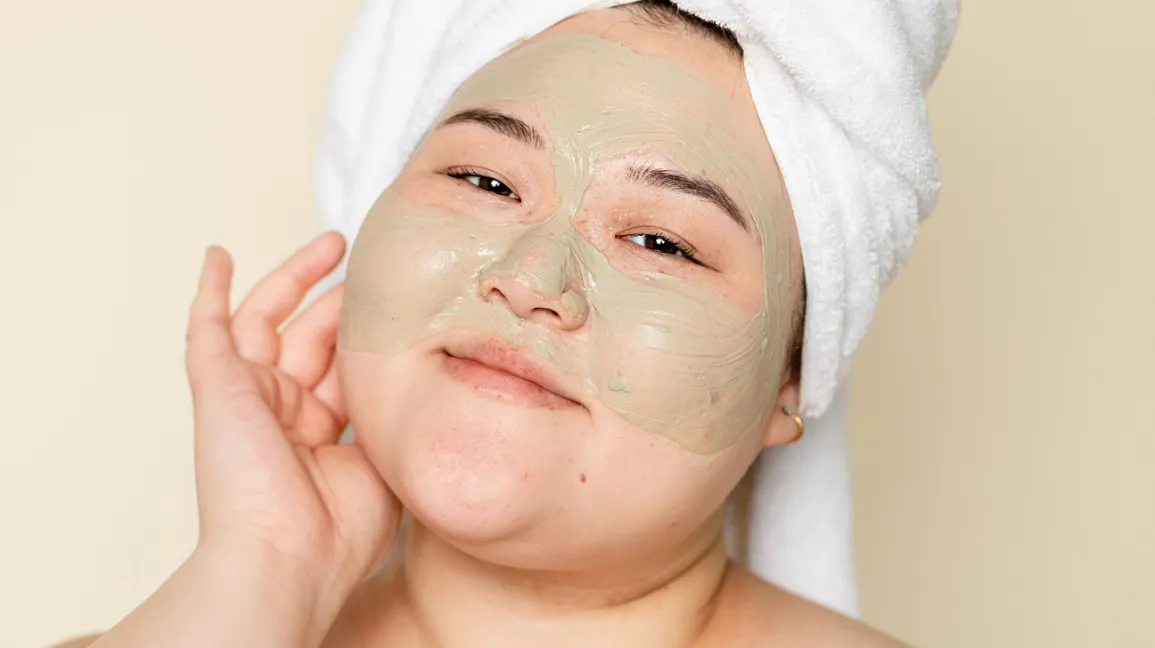
Incorporating targeted treatments into your skincare routine can address specific concerns related to dry skin. Consider using a hydrating serum that contains ingredients like vitamin E, niacinamide, or peptides. These ingredients help strengthen your skin's moisture barrier and improve overall hydration levels.
Additionally, if you struggle with dry patches or flakiness, introduce a weekly hydrating mask or overnight mask into your routine. These masks provide an intensive boost of hydration and nourishment, leaving your skin plump and radiant.
FAQs
Q: Can I skip exfoliation if I have dry skin?
A: Exfoliation is essential for all skin types, including dry skin. However, choose a gentle chemical exfoliant instead of harsh physical scrubs to avoid excessive dryness.
Q: How often should I moisturize my dry skin?
A: It is recommended to moisturize your dry skin twice a day – once in the morning and once at night before bed. Adjust the frequency based on your skin's needs and the climate you live in.
Q: Can dry skin benefit from face oils?
A: Absolutely! Face oils can be a great addition to your skincare routine for dry skin. Look for oils such as argan, jojoba, or rosehip oil, which provide deep nourishment and help seal in moisture.
Q: Should I avoid using hot water to cleanse my dry skin?
A: Yes, hot water can strip away natural oils from your skin, making it drier. Stick to lukewarm water while cleansing to maintain your skin's moisture balance.
Q: Can diet affect dry skin?
A: Yes, a balanced diet rich in essential fatty acids, vitamins, and minerals can contribute to healthier skin. Ensure you're getting enough hydration and consuming foods like avocados, nuts, and oily fish, which promote skin hydration.
Q: Can dry skin be a sign of an underlying health condition?
A: In some cases, dry skin may be indicative of an underlying health condition like eczema or hypothyroidism. If you experience persistent dryness or other concerning symptoms, consult a dermatologist for a proper diagnosis.