Home Upload Photo Upload Videos Write a Blog Analytics Messaging Streaming Create Adverts Creators Program
Bebuzee Afghanistan Bebuzee Albania Bebuzee Algeria Bebuzee Andorra Bebuzee Angola Bebuzee Antigua and Barbuda Bebuzee Argentina Bebuzee Armenia Bebuzee Australia Bebuzee Austria Bebuzee Azerbaijan Bebuzee Bahamas Bebuzee Bahrain Bebuzee Bangladesh Bebuzee Barbados Bebuzee Belarus Bebuzee Belgium Bebuzee Belize Bebuzee Benin Bebuzee Bhutan Bebuzee Bolivia Bebuzee Bosnia and Herzegovina Bebuzee Botswana Bebuzee Brazil Bebuzee Brunei Bebuzee Bulgaria Bebuzee Burkina Faso Bebuzee Burundi Bebuzee Cabo Verde Bebuzee Cambodia Bebuzee Cameroon Bebuzee Canada Bebuzee Central African Republic Bebuzee Chad Bebuzee Chile Bebuzee China Bebuzee Colombia Bebuzee Comoros Bebuzee Costa Rica Bebuzee Côte d'Ivoire Bebuzee Croatia Bebuzee Cuba Bebuzee Cyprus Bebuzee Czech Republic Bebuzee Democratic Republic of the Congo Bebuzee Denmark Bebuzee Djibouti Bebuzee Dominica Bebuzee Dominican Republic Bebuzee Ecuador Bebuzee Egypt Bebuzee El Salvador Bebuzee Equatorial Guinea Bebuzee Eritrea Bebuzee Estonia Bebuzee Eswatini Bebuzee Ethiopia Bebuzee Fiji Bebuzee Finland Bebuzee France Bebuzee Gabon Bebuzee Gambia Bebuzee Georgia Bebuzee Germany Bebuzee Ghana Bebuzee Greece Bebuzee Grenada Bebuzee Guatemala Bebuzee Guinea Bebuzee Guinea-Bissau Bebuzee Guyana Bebuzee Haiti Bebuzee Honduras Bebuzee Hong Kong Bebuzee Hungary Bebuzee Iceland Bebuzee India Bebuzee Indonesia Bebuzee Iran Bebuzee Iraq Bebuzee Ireland Bebuzee Israel Bebuzee Italy Bebuzee Jamaica Bebuzee Japan Bebuzee Jordan Bebuzee Kazakhstan Bebuzee Kenya Bebuzee Kiribati Bebuzee Kuwait Bebuzee Kyrgyzstan Bebuzee Laos Bebuzee Latvia Bebuzee Lebanon Bebuzee Lesotho Bebuzee Liberia Bebuzee Libya Bebuzee Liechtenstein Bebuzee Lithuania Bebuzee Luxembourg Bebuzee Madagascar Bebuzee Malawi Bebuzee Malaysia Bebuzee Maldives Bebuzee Mali Bebuzee Malta Bebuzee Marshall Islands Bebuzee Mauritania Bebuzee Mauritius Bebuzee Mexico Bebuzee Micronesia Bebuzee Moldova Bebuzee Monaco Bebuzee Mongolia Bebuzee Montenegro Bebuzee Morocco Bebuzee Mozambique Bebuzee Myanmar Bebuzee Namibia Bebuzee Nauru Bebuzee Nepal Bebuzee Netherlands Bebuzee New Zealand Bebuzee Nicaragua Bebuzee Niger Bebuzee Nigeria Bebuzee North Korea Bebuzee North Macedonia Bebuzee Norway Bebuzee Oman Bebuzee Pakistan Bebuzee Palau Bebuzee Panama Bebuzee Papua New Guinea Bebuzee Paraguay Bebuzee Peru Bebuzee Philippines Bebuzee Poland Bebuzee Portugal Bebuzee Qatar Bebuzee Republic of the Congo Bebuzee Romania Bebuzee Russia Bebuzee Rwanda Bebuzee Saint Kitts and Nevis Bebuzee Saint Lucia Bebuzee Saint Vincent and the Grenadines Bebuzee Samoa Bebuzee San Marino Bebuzee São Tomé and Príncipe Bebuzee Saudi Arabia Bebuzee Senegal Bebuzee Serbia Bebuzee Seychelles Bebuzee Sierra Leone Bebuzee Singapore Bebuzee Slovakia Bebuzee Slovenia Bebuzee Solomon Islands Bebuzee Somalia Bebuzee South Africa Bebuzee South Korea Bebuzee South Sudan Bebuzee Spain Bebuzee Sri Lanka Bebuzee Sudan Bebuzee Suriname Bebuzee Sweden Bebuzee Switzerland Bebuzee Syria Bebuzee Taiwan Bebuzee Tajikistan Bebuzee Tanzania Bebuzee Thailand Bebuzee Timor-Leste Bebuzee Togo Bebuzee Tonga Bebuzee Trinidad and Tobago Bebuzee Tunisia Bebuzee Turkey Bebuzee Turkmenistan Bebuzee Tuvalu Bebuzee Uganda Bebuzee Ukraine Bebuzee United Arab Emirates Bebuzee United Kingdom Bebuzee Uruguay Bebuzee Uzbekistan Bebuzee Vanuatu Bebuzee Venezuela Bebuzee Vietnam Bebuzee World Wide Bebuzee Yemen Bebuzee Zambia Bebuzee Zimbabwe
Blog Image

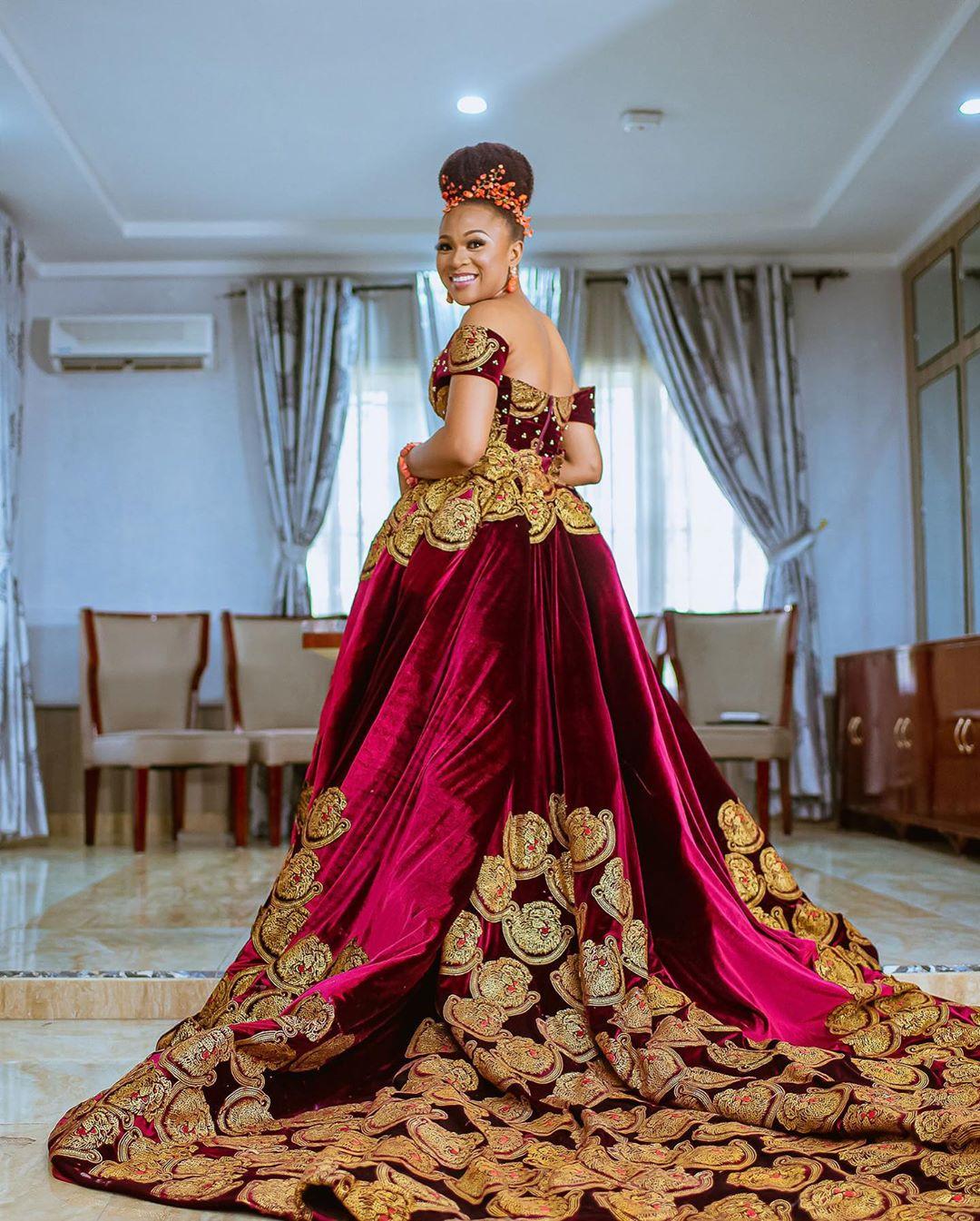
Why ‘Isiagu’ Styles Are Becoming the Norm at Igbo Weddings

In recent years, the Isiagu style has become a prominent feature at weddings in the South-Eastern part of Nigeria, with both brides and grooms donning this traditional attire. The Isiagu, which translates to "tiger or lion’s head," is a popular Igbo outfit typically worn on significant occasions such as weddings and coronation ceremonies. The bold prints of the Isiagu signify power, authority, and pride, making it a staple in the wardrobes of the Igbo people.

The Isiagu is more than just a garment; it is the official attire for Igbo chieftaincy. It is rare to find an Igbo ruler without an Isiagu in their collection. While traditionally associated with men, the style has evolved, allowing women to embrace it as well. Despite its growing accessibility, the Isiagu remains a prestigious outfit, often reserved for important events.

For many, the Isiagu represents the essence of Igbo culture, while others view it as a status symbol due to the high cost and exclusivity of the fabric. The respect accorded to this attire is rooted in the caliber of individuals who wear it and the prestigious occasions it adorns. The Igbo people pride themselves on their identity, and the lion, a symbol of strength and leadership, resonates deeply within their cultural narrative.

Weddings in Igbo culture are seen as prestigious events that provide an opportunity to showcase vibrant traditions and customs. The Isiagu, being at the pinnacle of Igbo cultural attire, is a natural choice for such celebrations. It allows couples to express their heritage and pride on one of the most significant days of their lives.

Historically, the Isiagu was primarily worn by wealthy individuals, but it has since been reinvented to appeal to a broader audience. Today, it can be crafted from various fabrics, including Italian suit material, making it more versatile and fashionable. This adaptability has contributed to its rising popularity among the Igbo diaspora and beyond.

The modern Isiagu can be paired with stylish sandals or shoes, and men often complete their look with a matching red or black cap, along with traditional beads. Women may opt for elegant flats or heels, complemented by chic purses. The outfit is often accessorized with walking sticks, leather shoes, and the traditional Igbo cap, further enhancing the image of a proud and affluent Igbo individual.

The Isiagu is now available in a variety of colors, including the classic red and black, as well as blue and white variations. This diversity allows for personal expression while maintaining cultural significance.

As the Igbo tribe continues to travel and settle around the world, the acceptance of Isiagu clothing is expected to grow. The willingness of the Igbo people to embrace their culture while adapting to new environments has led to a resurgence of interest in traditional attire. The increasing visibility of Isiagu at weddings and other significant events indicates that this style is here to stay.

In conclusion, the Isiagu has transcended its traditional roots to become a symbol of pride and identity for the Igbo people. Its prominence at weddings reflects a broader cultural renaissance, where heritage is celebrated and shared. As more people identify with the Igbo race and its rich traditions, the Isiagu style is poised to gain even greater acceptance on a global scale.
Previous Post

Elevator Shoes - What Makes Them So Special?

Next Post

Nigerian Designers Must Invest in Creating Unique Pieces to Stand Out Globally

Comments