Nigerian Designers Must Invest in Creating Unique Pieces to Stand Out Globally
-
 Loading...
 - Lola Akingbade
- 15 Jan 2025
- 45 Views
- 0 Like
- 0 Comment
Ebere Christopher, a seasoned designer and founder of Bibi Christopher, has underscored the importance of Nigerian designers investing in the creation of unique pieces that can compete on the global stage. In a recent statement, Christopher highlighted Nigeria's wealth of creative talent and the potential for the fashion industry to thrive through the collective efforts of industry leaders, stakeholders, and government support.
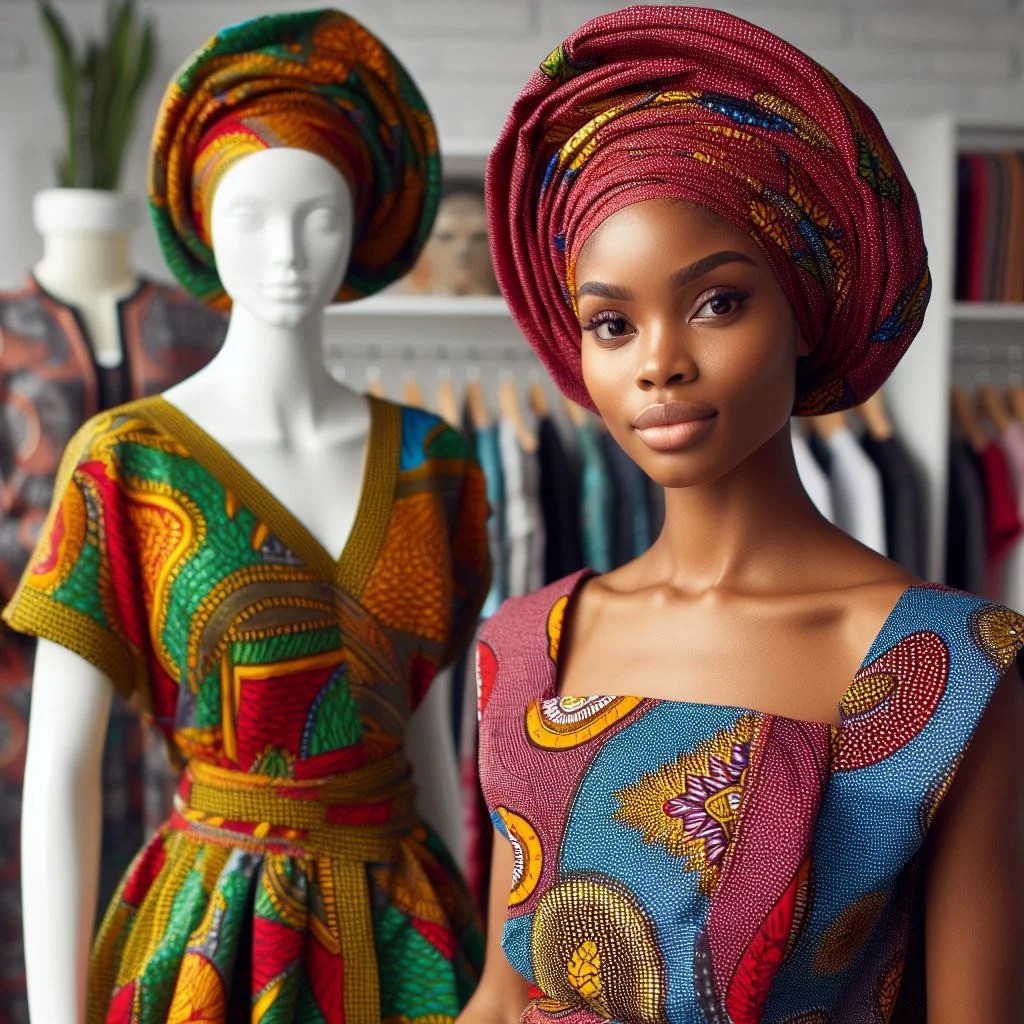
Christopher emphasized that leveraging Nigeria's rich cultural heritage in design can significantly enhance its global appeal. She pointed out the potential of traditional fabrics and techniques, noting that regions like Eastern Nigeria boast remarkable textiles such as Akwaete and Igbo George. By promoting these unique materials, Nigerian designers can attract greater international attention and appreciation.
In addition to cultural heritage, Christopher stressed the necessity of adopting innovations and technology to accelerate the growth of the fashion industry. She remarked, “The world’s industries are tech-enabled, and we must follow suit.” By utilizing digital market solutions like e-commerce, designers can expand their global market reach and connect with a wider audience.
To facilitate this growth, Christopher called for industry leaders to invest in skill development and capacity building for their teams. She stated, “We must ensure that we are investing in our skilled workers, who are the backbone of our industry.” This investment in human capital is crucial for fostering creativity and maintaining high standards in production.
The role of the government is also vital in the advancement of the Nigerian fashion industry. Christopher advocated for government initiatives that provide access to funding, which can help emerging talents boost their businesses. She also suggested that the government support local fabric manufacturers by offering financial assistance to help them scale operations and create more jobs.
In conclusion, Christopher believes that the Nigerian fashion industry holds immense potential, but realizing this potential requires a concerted effort from all stakeholders involved. With strategic support from the government and a commitment to innovation and skill development, Nigeria can create more job opportunities, stimulate economic growth, and establish itself on the global fashion map. As Christopher aptly put it, the future of Nigerian fashion depends on the collective investment in creativity and uniqueness that can set it apart in the international arena.