What is a Contact Sheet and How Do You Make One?
-
 Loading...
 - Malika Biloa
- 25 Aug 2022
- 87 Views
- 0 Like
- 0 Comment
Film set the photographic standard in more ways than one. The contact sheet, for example, once an essential aspect of the film process, has survived the transition to digital. Although it serves a slightly different purpose these days, the contact sheet can help you see the results of a shoot and make your best photos easier to share.
Here’s a guide to understanding why contact sheets remain useful, and how to make a digital version.
What is a Contact Sheet?
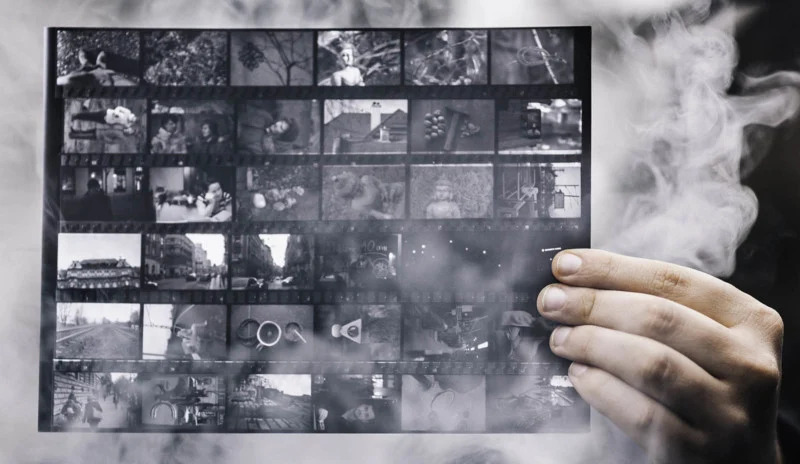
In film photography, contact sheets allow a photographer to view all the frames from a roll of film in print. Contact sheets get their name from the way they’re made: by placing negative strips directly onto a piece of photographic paper and making a print. This allows for a simple review of the results from a roll of film.
Using a magnifying loupe, the photographer can examine and assess each shot, selecting which frames to possibly print. Because it’s really just an 8-by-10 photo, the contact sheet allows the photographer to cross out the bad shots, circle the good and mark them up for any required dodging and burning.
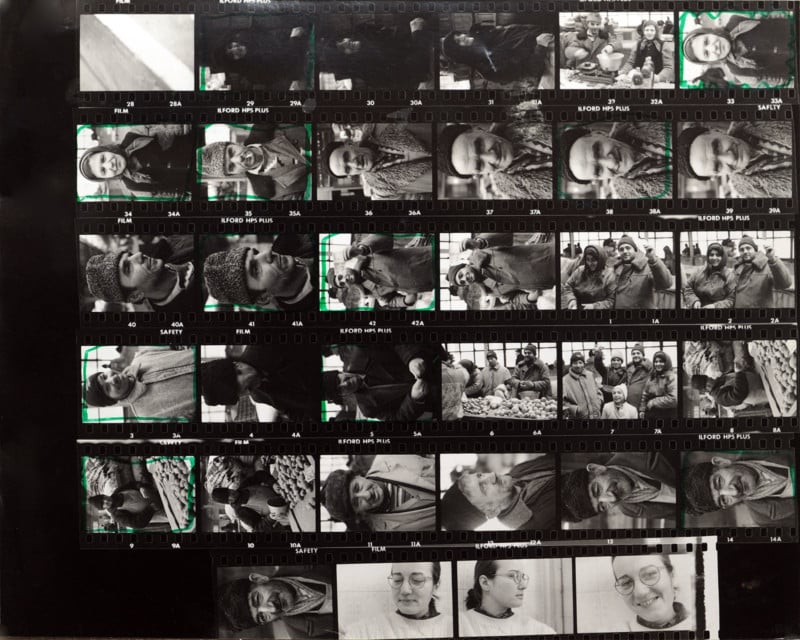
The contact sheet also provides an overview of a shoot, a succession of photos from frame to frame. This helps inform photographers (and other viewers) of the creative process and provides perspective on the craft.
In the digital world, a contact sheet is like a photo gallery, but the photos are arranged in the same standard grid format rather than something like a carousel. Think of it as a page of thumbnails that presents a selection of shots on the screen, no scrolling necessary. Zooming is still possible, as is ranking, sorting and deleting. Sharing a digital contact sheet can be as simple as creating one and hitting print or saving as a PDF.
Why Make a Contact Sheet?
Both professional and amateur photographers will benefit from making contact sheets. There really is no better tool for comparing and presenting a collection of images. Reasons for making contact sheets include sorting, quality control, testing printer paper, and providing clients with a gallery of shots from which to choose. Read More...