What Happens When Astronauts Get Stuck in Space: Risks, Protocols, and Solutions
-
 Loading...
 - Angelina Casa
- 12 Aug 2024
- 68 Views
- 0 Like
- 0 Comment
The idea of astronauts getting stuck in space has fascinated and terrified people for decades. While space exploration has made incredible strides since the first human ventured beyond Earth’s atmosphere, the risks associated with space missions remain significant. Astronauts operate in one of the most hostile environments imaginable, where even minor issues can escalate into life-threatening situations. But what actually happens if astronauts get stuck in space? This article explores the potential scenarios, risks, and the measures in place to address such emergencies.
Understanding the Risks of Space Travel
Space is an unforgiving environment. The risks of space travel are numerous, ranging from technical failures and limited resources to the physiological effects of prolonged exposure to microgravity. Here are some key risks that could lead to astronauts getting stuck in space:
- Mechanical Failures: Spacecraft rely on complex systems that must function perfectly. Failures in propulsion, life support, or communication systems could leave astronauts stranded.
- Limited Supplies: Space missions are tightly planned, with precise amounts of food, water, and oxygen. Any delay in return can stretch these resources thin.
- Orbital Mechanics: Miscalculations or malfunctions can prevent a spacecraft from achieving the proper trajectory to return to Earth.
- Space Debris: Collisions with space debris can damage spacecraft, potentially leaving them inoperable.
Protocols for Space Emergencies
NASA, ESA, and other space agencies have developed extensive protocols to deal with emergencies in space. These protocols are designed to address various scenarios, including the possibility of astronauts getting stuck in space. Here are some of the key measures in place:
- Redundant Systems: Spacecraft are equipped with multiple backup systems for critical functions like life support, propulsion, and communication. These redundancies increase the chances of survival if primary systems fail.
- Emergency Procedures: Astronauts undergo rigorous training to handle a wide range of emergencies. This includes practicing how to respond to system failures, medical emergencies, and even spacewalks to repair external damage.
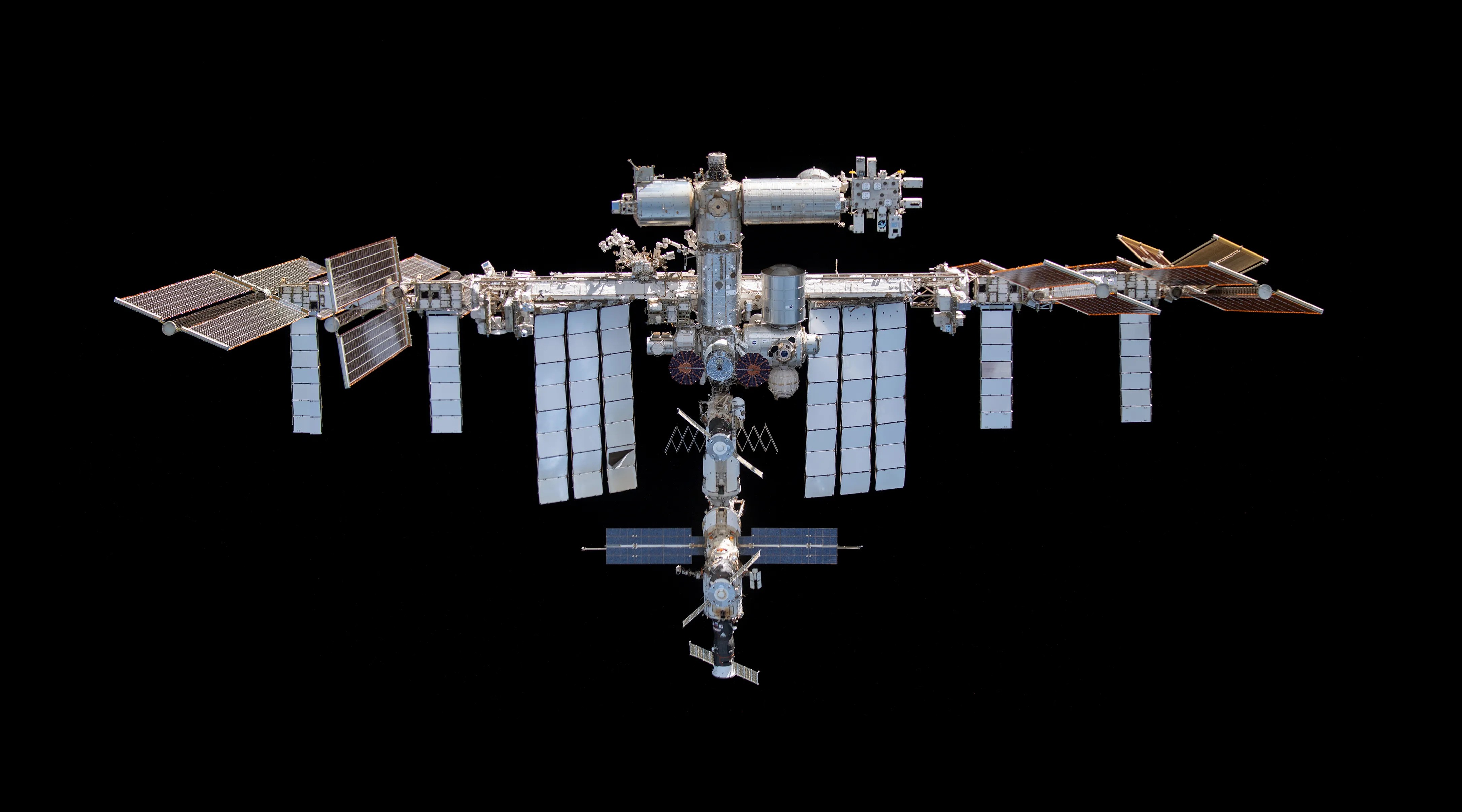
- Rescue Missions: Space agencies have contingency plans for rescue missions. For example, the Space Shuttle program had plans to launch a rescue mission if a shuttle was unable to return to Earth. Today, the International Space Station (ISS) serves as a potential safe haven where astronauts can stay while waiting for help.
- Automated Docking Systems: Modern spacecraft are often equipped with automated docking systems that allow them to attach to the ISS or other spacecraft, even if manual control is compromised.
The Role of the International Space Station (ISS)
The ISS plays a crucial role in ensuring the safety of astronauts in low Earth orbit. If a spacecraft encounters issues that prevent it from returning to Earth, the ISS can serve as a temporary refuge. The station is equipped with supplies, medical facilities, and communication systems that can support astronauts until a rescue mission is organized. Additionally, spacecraft like the Russian Soyuz and the newer SpaceX Crew Dragon are regularly docked at the ISS, providing a means of return to Earth if needed.
Worst-Case Scenarios: What Could Go Wrong?
While protocols and backup systems are in place, there are still worst-case scenarios that could result in astronauts being stuck in space with no immediate rescue possible. Some of these include:
- Loss of Communication: If a spacecraft loses communication with Earth, astronauts could be left isolated and unable to receive instructions or support.
- Propulsion Failure: A complete propulsion failure could leave a spacecraft adrift in space, unable to change its trajectory or re-enter Earth's atmosphere.
- Critical System Failures: Failures in life support systems could lead to a rapid depletion of oxygen, water, or temperature control, threatening the crew’s survival.
- Stranded Beyond Low Earth Orbit: Missions beyond low Earth orbit, such as to the Moon or Mars, carry additional risks due to the greater distances involved. In these cases, rescue missions would be more complex and take longer to execute.
Potential Solutions and Innovations
The space industry continues to develop new technologies and strategies to mitigate the risks of getting stuck in space. Some of these include:
- Advanced Life Support Systems: Innovations in life support technology aim to make these systems more reliable and longer-lasting, reducing the risk of system failures.
- Autonomous Spacecraft: The development of autonomous spacecraft that can self-diagnose and repair issues or navigate back to Earth without human intervention.
- In-Space Manufacturing: The ability to manufacture replacement parts or even entire systems in space using 3D printing technology could offer a solution to critical failures.
- Deep Space Habitats: For missions to Mars or other distant locations, the development of deep space habitats that can sustain life for extended periods is crucial. These habitats would need to be equipped with ample supplies and advanced life support systems to protect astronauts if they are stranded far from Earth.
The Psychological Impact on Astronauts
Being stuck in space would not only pose physical challenges but also significant psychological ones. Astronauts are trained to handle high-stress situations, but the isolation, uncertainty, and potential for a prolonged wait for rescue could lead to severe psychological strain. Space agencies provide psychological support for astronauts during missions, including regular communication with family and psychological counseling. However, in a situation where rescue is uncertain or delayed, maintaining mental health would be a critical challenge.
Getting stuck in space is a scenario that space agencies take very seriously, with extensive protocols and technologies in place to prevent and manage such situations. While the risks are real, advances in space technology and safety protocols have made space travel safer than ever before. However, the potential dangers remind us of the challenges inherent in exploring the final frontier. As humanity pushes further into space, the lessons learned from these risks will be crucial in ensuring the safety and success of future missions.