Home Upload Photo Upload Videos Write a Blog Analytics Messaging Streaming Create Adverts Creators Program
Bebuzee Afghanistan Bebuzee Albania Bebuzee Algeria Bebuzee Andorra Bebuzee Angola Bebuzee Antigua and Barbuda Bebuzee Argentina Bebuzee Armenia Bebuzee Australia Bebuzee Austria Bebuzee Azerbaijan Bebuzee Bahamas Bebuzee Bahrain Bebuzee Bangladesh Bebuzee Barbados Bebuzee Belarus Bebuzee Belgium Bebuzee Belize Bebuzee Benin Bebuzee Bhutan Bebuzee Bolivia Bebuzee Bosnia and Herzegovina Bebuzee Botswana Bebuzee Brazil Bebuzee Brunei Bebuzee Bulgaria Bebuzee Burkina Faso Bebuzee Burundi Bebuzee Cabo Verde Bebuzee Cambodia Bebuzee Cameroon Bebuzee Canada Bebuzee Central African Republic Bebuzee Chad Bebuzee Chile Bebuzee China Bebuzee Colombia Bebuzee Comoros Bebuzee Costa Rica Bebuzee Côte d'Ivoire Bebuzee Croatia Bebuzee Cuba Bebuzee Cyprus Bebuzee Czech Republic Bebuzee Democratic Republic of the Congo Bebuzee Denmark Bebuzee Djibouti Bebuzee Dominica Bebuzee Dominican Republic Bebuzee Ecuador Bebuzee Egypt Bebuzee El Salvador Bebuzee Equatorial Guinea Bebuzee Eritrea Bebuzee Estonia Bebuzee Eswatini Bebuzee Ethiopia Bebuzee Fiji Bebuzee Finland Bebuzee France Bebuzee Gabon Bebuzee Gambia Bebuzee Georgia Bebuzee Germany Bebuzee Ghana Bebuzee Greece Bebuzee Grenada Bebuzee Guatemala Bebuzee Guinea Bebuzee Guinea-Bissau Bebuzee Guyana Bebuzee Haiti Bebuzee Honduras Bebuzee Hong Kong Bebuzee Hungary Bebuzee Iceland Bebuzee India Bebuzee Indonesia Bebuzee Iran Bebuzee Iraq Bebuzee Ireland Bebuzee Israel Bebuzee Italy Bebuzee Jamaica Bebuzee Japan Bebuzee Jordan Bebuzee Kazakhstan Bebuzee Kenya Bebuzee Kiribati Bebuzee Kuwait Bebuzee Kyrgyzstan Bebuzee Laos Bebuzee Latvia Bebuzee Lebanon Bebuzee Lesotho Bebuzee Liberia Bebuzee Libya Bebuzee Liechtenstein Bebuzee Lithuania Bebuzee Luxembourg Bebuzee Madagascar Bebuzee Malawi Bebuzee Malaysia Bebuzee Maldives Bebuzee Mali Bebuzee Malta Bebuzee Marshall Islands Bebuzee Mauritania Bebuzee Mauritius Bebuzee Mexico Bebuzee Micronesia Bebuzee Moldova Bebuzee Monaco Bebuzee Mongolia Bebuzee Montenegro Bebuzee Morocco Bebuzee Mozambique Bebuzee Myanmar Bebuzee Namibia Bebuzee Nauru Bebuzee Nepal Bebuzee Netherlands Bebuzee New Zealand Bebuzee Nicaragua Bebuzee Niger Bebuzee Nigeria Bebuzee North Korea Bebuzee North Macedonia Bebuzee Norway Bebuzee Oman Bebuzee Pakistan Bebuzee Palau Bebuzee Panama Bebuzee Papua New Guinea Bebuzee Paraguay Bebuzee Peru Bebuzee Philippines Bebuzee Poland Bebuzee Portugal Bebuzee Qatar Bebuzee Republic of the Congo Bebuzee Romania Bebuzee Russia Bebuzee Rwanda Bebuzee Saint Kitts and Nevis Bebuzee Saint Lucia Bebuzee Saint Vincent and the Grenadines Bebuzee Samoa Bebuzee San Marino Bebuzee São Tomé and Príncipe Bebuzee Saudi Arabia Bebuzee Senegal Bebuzee Serbia Bebuzee Seychelles Bebuzee Sierra Leone Bebuzee Singapore Bebuzee Slovakia Bebuzee Slovenia Bebuzee Solomon Islands Bebuzee Somalia Bebuzee South Africa Bebuzee South Korea Bebuzee South Sudan Bebuzee Spain Bebuzee Sri Lanka Bebuzee Sudan Bebuzee Suriname Bebuzee Sweden Bebuzee Switzerland Bebuzee Syria Bebuzee Taiwan Bebuzee Tajikistan Bebuzee Tanzania Bebuzee Thailand Bebuzee Timor-Leste Bebuzee Togo Bebuzee Tonga Bebuzee Trinidad and Tobago Bebuzee Tunisia Bebuzee Turkey Bebuzee Turkmenistan Bebuzee Tuvalu Bebuzee Uganda Bebuzee Ukraine Bebuzee United Arab Emirates Bebuzee United Kingdom Bebuzee Uruguay Bebuzee Uzbekistan Bebuzee Vanuatu Bebuzee Venezuela Bebuzee Vietnam Bebuzee World Wide Bebuzee Yemen Bebuzee Zambia Bebuzee Zimbabwe
Blog Image

Like Brain Cells, Kidney Cells Can Form Memories

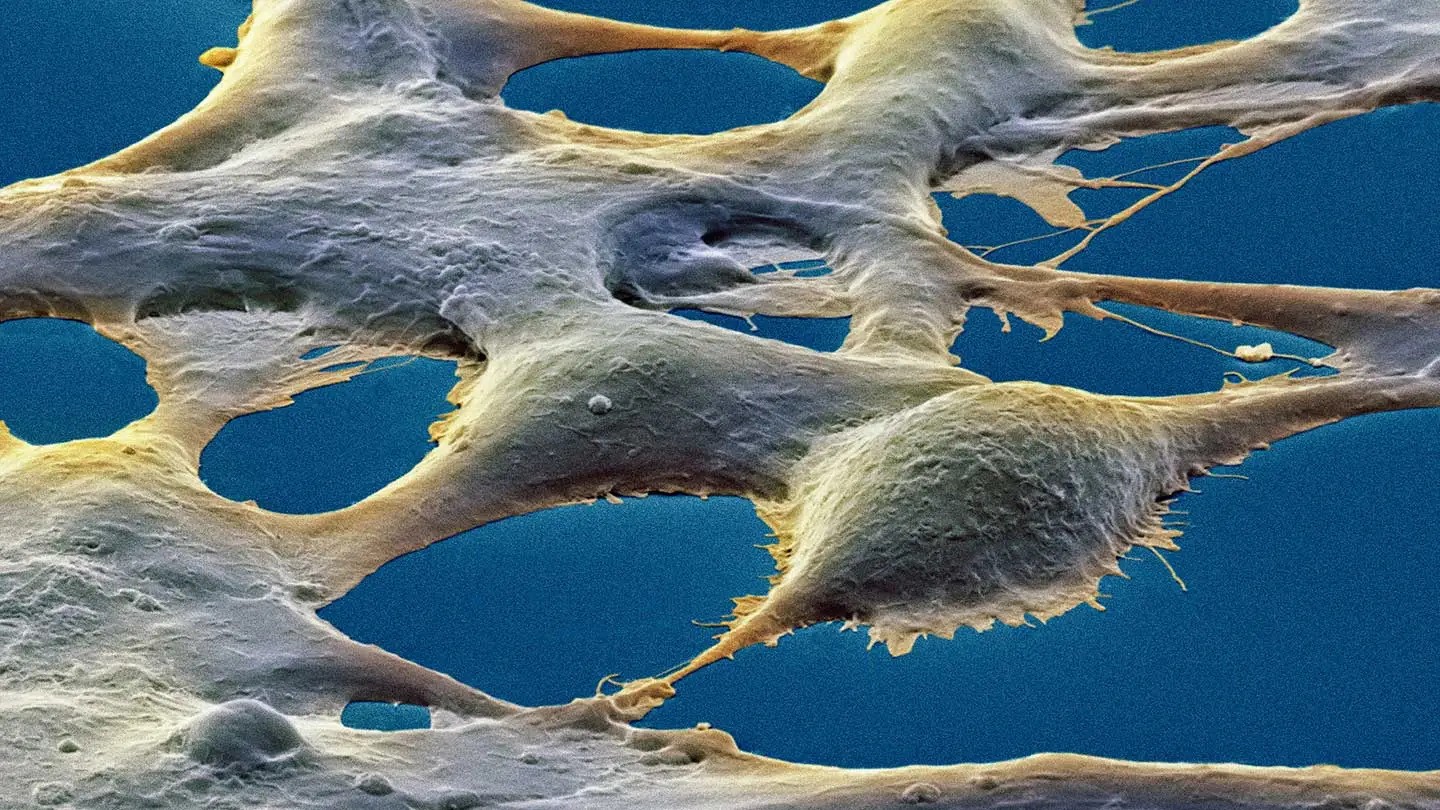
In a study that challenges long-held beliefs about cellular function, researchers have discovered that kidney cells possess the ability to form memories, much like brain cells. This revelation opens new avenues for understanding how our bodies process information and respond to environmental changes, potentially reshaping our approach to kidney health and disease.

The research, focused on the behavior of renal cells in response to various stimuli. Traditionally, memory formation has been attributed solely to neurons in the brain, where synaptic connections strengthen or weaken based on experiences. However, this new study suggests that kidney cells, specifically renal tubular cells, exhibit similar characteristics.

Using advanced imaging techniques and molecular analysis, the researchers exposed kidney cells to different stressors, such as high glucose levels and toxins. They observed that these cells not only adapted to the stress but also retained a "memory" of the exposure, influencing their responses to subsequent challenges. This memory formation was linked to changes in gene expression and cellular signaling pathways, indicating a sophisticated level of cellular communication and adaptation.

The implications of this discovery are profound. Understanding how kidney cells form memories could lead to new strategies for treating kidney diseases, such as diabetes-related kidney damage and chronic kidney disease. By targeting the mechanisms behind cellular memory, researchers may be able to develop therapies that enhance the kidneys' ability to cope with stressors, ultimately improving patient outcomes.

Moreover, this finding challenges the traditional view of organ function, suggesting that kidneys are not merely passive filters but active participants in the body's response to environmental changes. This perspective could lead to a reevaluation of how we approach kidney health, emphasizing the importance of maintaining cellular resilience.

The discovery that kidney cells can form memories also raises intriguing questions about the nature of memory itself. If non-neuronal cells can exhibit memory-like behavior, what other types of cells might possess similar capabilities? This research could pave the way for exploring memory formation in other organs, potentially leading to a more comprehensive understanding of how our bodies process and retain information.

Furthermore, this finding may have implications for regenerative medicine and tissue engineering. By harnessing the principles of cellular memory, scientists could develop strategies to enhance tissue repair and regeneration, offering new hope for patients with organ damage.

The revelation that kidney cells can form memories is a significant advancement in the field of cellular biology, challenging our understanding of how different cell types function and interact. As researchers continue to explore the mechanisms behind this phenomenon, we may uncover new insights into kidney health and disease, ultimately leading to innovative treatments and improved patient care. This discovery not only expands our knowledge of cellular capabilities but also invites us to reconsider the intricate ways in which our bodies adapt to the world around us.


Previous Post

Quantum-Inspired Technique Simulates Turbulence with High Speed

Next Post

How Natural Nanomotors Could Propel New Drug Delivery Systems

Comments