Video Games Need To Slow Down
-
 Loading...
 - Charles Effah
- 03 Oct 2024
- 56 Views
- 0 Like
- 0 Comment
There are various reasons why some people think video games need to slow down. Some people believe that the fast-paced nature of modern video games can be overwhelming and lead to burnout. Others may think that the constant stream of new releases and updates can be exhausting.
In the past, video games were often designed to be more challenging and required players to slow down and think carefully about their actions. However, with the advancement of technology and the rise of fast-paced action games, many modern games prioritize speed and quick reflexes over strategy and careful planning.
Some people may also argue that the fast pace of modern video games can lead to a lack of immersion and engagement. When games are too fast-paced, players may feel like they are just going through the motions rather than being fully invested in the game world.
On the other hand, some people may enjoy the fast-paced nature of modern video games and find it exciting and challenging. They may argue that the speed and intensity of modern games are what make them enjoyable and that slowing down would make the games less engaging.
Ultimately, whether or not video games need to slow down is a matter of personal preference. Some people may prefer faster-paced games, while others may prefer slower-paced games that allow for more strategy and careful planning.
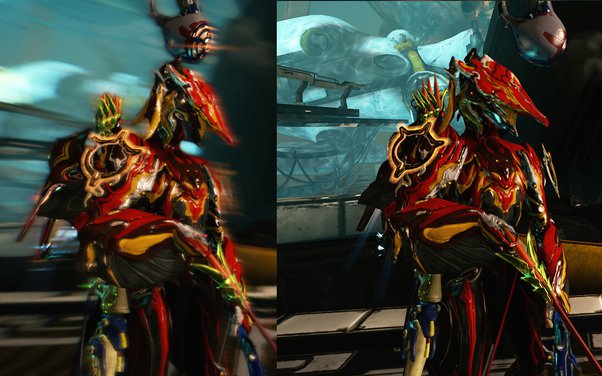
In terms of the technical aspect of video games, slowdown can be caused by a variety of factors, including the number of objects on the screen, the complexity of the game's physics engine, and the power of the console or computer running the game. In some cases, slowdown can be a deliberate design choice, such as in games that use slowdown to create a sense of tension or drama.
In other cases, slowdown can be a result of poor optimization or a lack of resources. For example, if a game is not optimized for a particular console or computer, it may run slowly or experience slowdown. Similarly, if a game is trying to render too many objects or perform too many calculations, it may slow down.
Overall, the issue of slowdown in video games is complex and multifaceted. While some people may prefer faster-paced games, others may prefer slower-paced games that allow for more strategy and careful planning. The technical aspects of slowdown can also be influenced by a variety of factors, including the game's design, the power of the console or computer, and the optimization of the game's code.
In the case of the NES, slowdown was a common issue due to the console's limited processing power and memory. Many NES games suffered from slowdown, particularly when there were many objects on the screen or when the game was performing complex calculations. However, some developers were able to mitigate slowdown by using clever programming techniques, such as only updating certain objects or using sprite mirroring to reduce the number of objects on the screen.
In modern games, slowdown is less common due to the increased processing power and memory of modern consoles and computers. However, slowdown can still occur in certain situations, such as when a game is trying to render a large number of objects or perform complex calculations.
In terms of combating slowdown, there are several techniques that developers can use. One common technique is to use a fixed time step, which ensures that the game updates at a consistent rate regardless of the frame rate. Another technique is to use a variable time step, which allows the game to update at a rate that is proportional to the frame rate.
Developers can also use various optimization techniques, such as reducing the number of objects on the screen, using sprite batching, or optimizing the game's physics engine. In some cases, developers may also use slowdown as a deliberate design choice, such as in games that use slowdown to create a sense of tension or drama.
Overall, the issue of slowdown in video games is complex and multifaceted. While some people may prefer faster-paced games, others may prefer slower-paced games that allow for more strategy and careful planning. The technical aspects of slowdown can also be influenced by a variety of factors, including the game's design, the power of the console or computer, and the optimization of the game's code.