The Revolution of Gaming Through Smartphones
-
 Loading...
 - Matthew Kinyua
- 03 Oct 2024
- 53 Views
- 0 Like
- 0 Comment
Smartphones have become essential companions in our daily lives, transforming from simple communication tools into versatile devices that serve various functions. Whether for navigation, productivity, entertainment, or gaming, smartphones have reshaped how we interact with technology. One of the most significant impacts smartphones have had is on the gaming industry, where they have redefined how people engage with games. This article explores the profound influence smartphones have had on modern gaming.
Variety of Games
One of the key ways smartphones have revolutionized gaming is by making a wide array of games accessible anytime, anywhere. From casual puzzle games like Candy Crush Saga to more complex strategy games like Clash of Clans, smartphone users can dive into various genres from their handheld devices. Even the way people engage with casino games has shifted, as online platforms like Wildz allow users to play a range of games, including table games and slots. This variety ensures there’s something for every type of gamer, helping to significantly broaden the gaming audience.
Social and Multiplayer Gaming
While gaming has always had a social component, smartphones have redefined this experience by making multiplayer and social gaming more accessible. In the early days, gaming was mostly a solo activity unless players met up in person to play. The internet allowed for online multiplayer gaming, but smartphones took it a step further by integrating social connectivity directly into mobile games. Titles like Pokémon Go and Candy Crush Saga encourage social interaction, allowing players to connect, compete, and collaborate from anywhere.
Smartphones have also made it easier to join large multiplayer communities in games like Fortnite and Among Us. These games bring people together, allowing them to engage in real-time competition and fostering a sense of community among players. This aspect of gaming makes it more than just an individual pastime—it’s a shared social experience.
Accessibility and Convenience
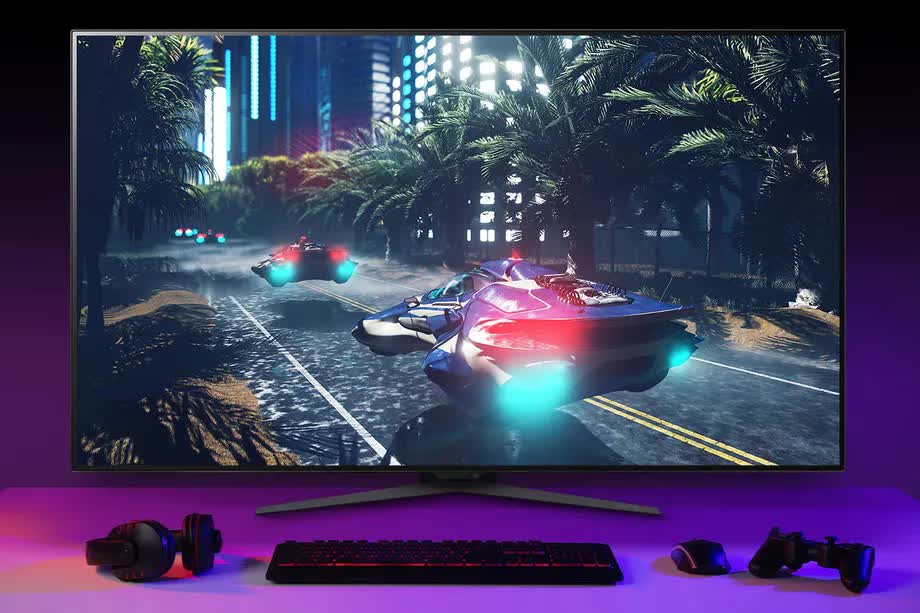
Gaming used to be a niche hobby, requiring dedicated consoles or PCs. But smartphones have changed this dynamic, making gaming mainstream and accessible to people of all ages and backgrounds. Unlike traditional gaming, which requires a significant upfront investment in gaming systems, smartphones offer access to countless free or moderately priced games. This has made gaming more affordable and opened the door to a much wider audience.
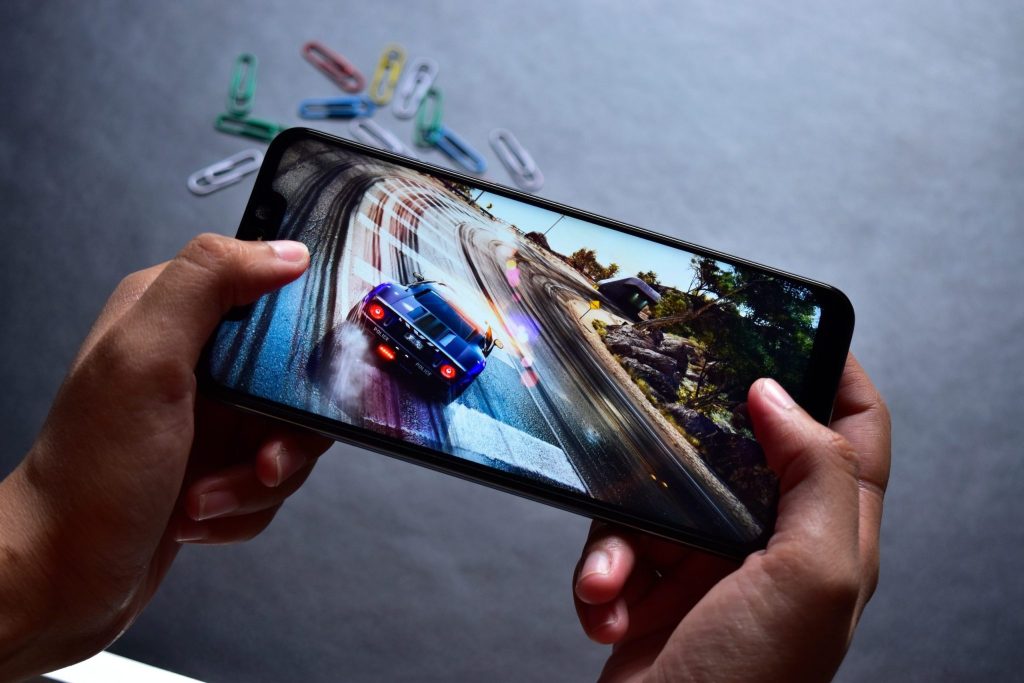
Another major appeal of smartphone gaming is portability. Unlike traditional gaming setups, which are stationary, mobile games allow players to game on the go. Whether it’s during a commute, while waiting in line, or relaxing at home, players can access their favorite games whenever they choose. This level of convenience is a driving force behind the popularity of mobile gaming.
Conclusion
Smartphones have transformed the gaming industry by making it more diverse, accessible, and socially connected. With a wide range of games available at users' fingertips and the convenience of gaming on the go, mobile gaming has expanded the audience and made gaming a part of daily life for millions. From casual gamers to those looking for a competitive edge, smartphones offer a gaming experience that is inclusive, immersive, and constantly evolving.