Understanding ISO in Photography

In the world of photography, ISO is one of the fundamental concepts that every aspiring photographer must understand. ISO refers to the sensitivity of the camera's image sensor to light. It plays a crucial role in capturing well-exposed and high-quality photographs, especially in challenging lighting conditions. Whether you're a beginner or an experienced photographer, having a solid grasp of ISO will greatly enhance your ability to capture stunning images in various environments. This comprehensive guide will walk you through the ins and outs of ISO in photography, answering all your burning questions and providing valuable insights to improve your photography skills.
What is ISO in Photography?
ISO, which stands for International Organization for Standardization, is a standard measure of the sensitivity of the image sensor or film to light. In photography, ISO refers to the camera setting that determines how sensitive the camera's sensor is to light. It affects the exposure of the photograph by determining the amount of light needed to produce a well-exposed image.
Understanding the ISO Scale
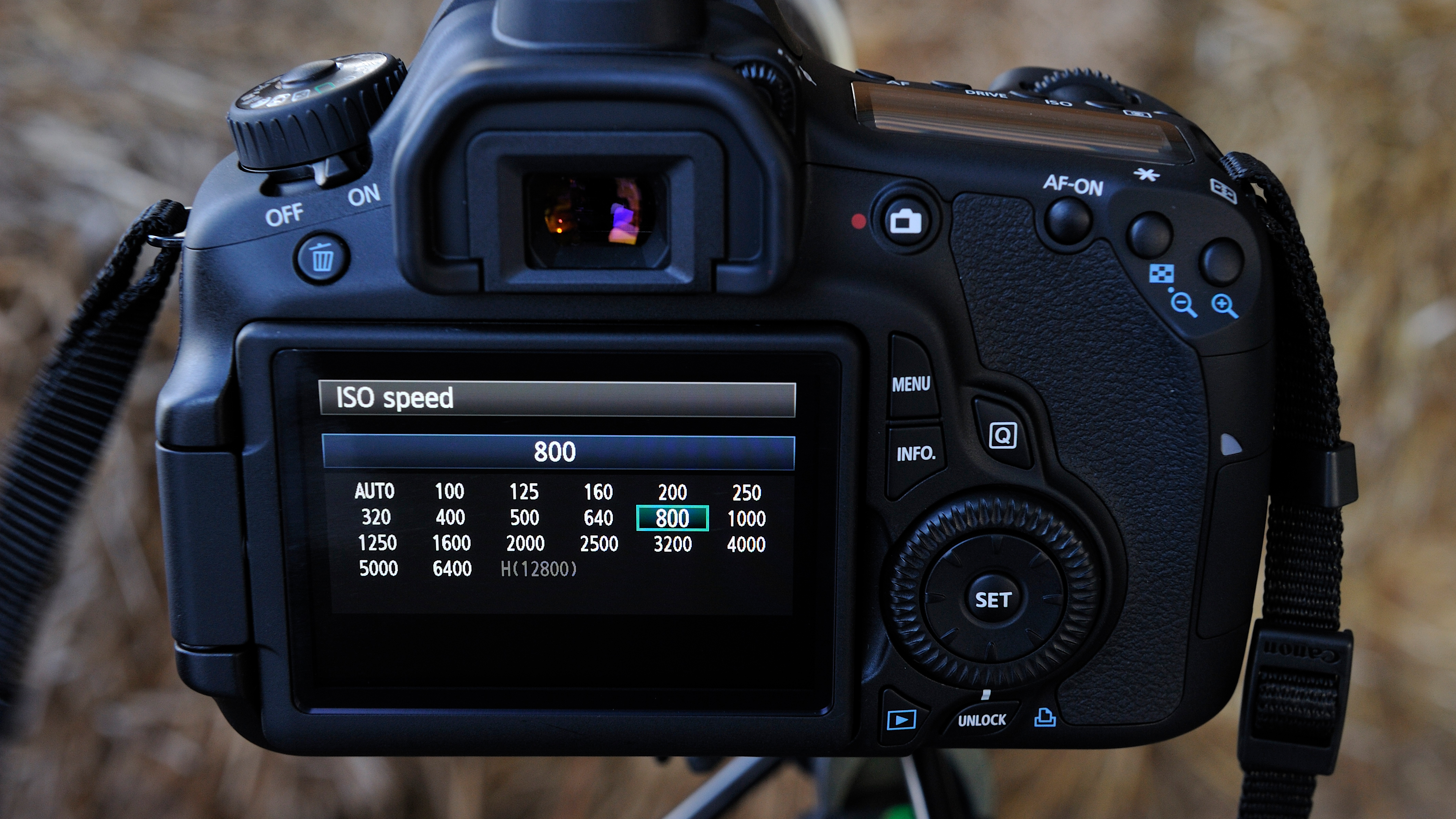
The ISO scale ranges from low to high sensitivity, typically starting at ISO 100 and doubling with each increment. Common ISO values include 100, 200, 400, 800, 1600, and so on. Each increment doubles the sensitivity to light, allowing you to capture images in darker environments without relying solely on longer exposure times.
ISO, Aperture, and Shutter Speed: The Exposure Triangle
ISO is an essential component of the exposure triangle, which includes aperture and shutter speed. The exposure triangle represents the relationship between these three factors and their impact on the overall exposure of the image. By adjusting the ISO, aperture, and shutter speed, photographers can control the amount of light entering the camera and achieve the desired exposure.
The Advantages of Low ISO
Using a low ISO setting, such as ISO 100 or 200, offers several advantages. Firstly, it produces images with minimal noise or grain, resulting in cleaner and sharper photographs. Additionally, low ISO settings are ideal for capturing images in well-lit environments, as they require less light to create a well-exposed image. This is particularly beneficial when photographing subjects with intricate details, such as landscapes or still life.
The Benefits of High ISO
High ISO settings, such as ISO 1600 or above, come in handy when shooting in low-light conditions. They enable you to capture images without relying on longer exposure times, which can lead to motion blur. By increasing the ISO, you can maintain faster shutter speeds, freeze action, and capture sharp images in challenging lighting situations. However, it's important to note that higher ISO settings may introduce more noise or grain to the photograph.
ISO and Noise: The Trade-off
Noise refers to the random variations in brightness and color that can appear in an image, resembling grain or speckles. As the ISO increases, the image sensor becomes more sensitive to light, but it also becomes more prone to capturing noise. Finding the balance between the desired sensitivity and acceptable noise levels is crucial for obtaining high-quality images. Modern cameras have made significant advancements in reducing noise at high ISO settings, but noise can still be a concern in certain situations.
Finding the Optimal ISO Setting
To determine the optimal ISO setting for a specific shot, consider the available light, desired depth of field, and motion in the scene. Start by setting the ISO to the lowest possible value and gradually increase it if necessary. Always aim to use the lowest ISO that allows you to maintain the desired shutter speed and aperture. By understanding the lighting conditions and the subject you're photographing, you can strike the right balance and achieve optimal results.
ISO in Different Lighting Conditions
Different lighting conditions require different ISO settings to achieve proper exposure. In bright daylight, lower ISO values, such as ISO 100 or 200, are usually sufficient to capture well-exposed images. As the light decreases, you may need to increase the ISO accordingly to maintain proper exposure. In low-light situations, higher ISO values, such as ISO 800 or above, may be necessary to compensate for the lack of available light.
Understanding ISO in Digital Cameras
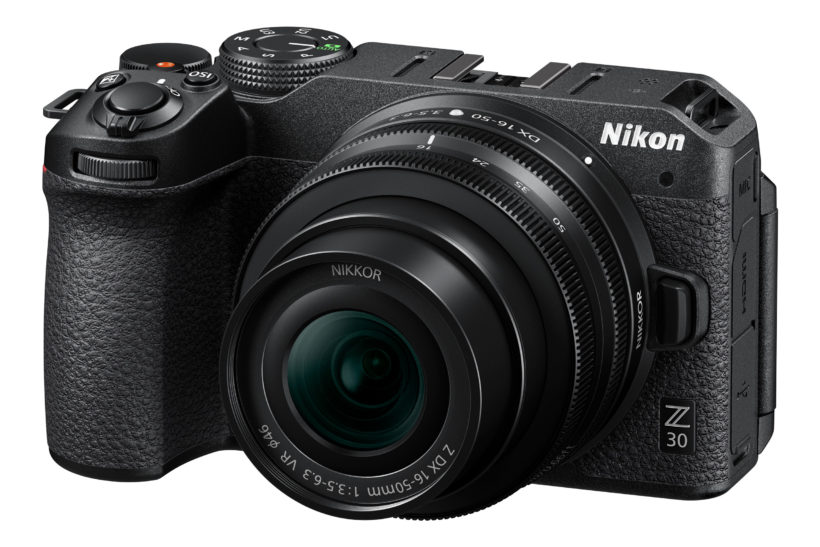
In digital cameras, the ISO setting can be adjusted directly from the camera's menu or through dedicated buttons or dials. Most modern digital cameras offer a wide range of ISO options, allowing photographers to fine-tune the sensitivity to their liking. It's worth noting that different camera models have varying levels of noise performance at high ISO settings. Higher-end cameras generally handle noise better, producing cleaner images even at higher ISO values.
ISO in Film Photography
ISO is equally important in film photography, where it refers to the film's sensitivity to light. Film rolls are available in different ISO ratings, such as ISO 100, 200, 400, and beyond. Choosing the right film speed depends on the lighting conditions and the desired effect. Higher ISO films are more sensitive to light, making them suitable for low-light situations or when a faster shutter speed is required. However, higher ISO films also tend to have more visible grain.
Mastering ISO for Landscape Photography
Landscape photography often involves capturing vast scenes with intricate details. To achieve optimal results, understanding and utilizing ISO effectively is crucial. In well-lit landscapes, lower ISO settings can be used to minimize noise and maximize image quality. However, in situations where you need to maintain a faster shutter speed or when photographing landscapes at night, increasing the ISO can help capture the scene with the desired level of detail.
ISO and Portrait Photography
Portrait photography relies heavily on capturing the subject's expression and conveying emotions. When it comes to ISO, choosing the appropriate setting plays a significant role in achieving the desired outcome. In portrait sessions with controlled lighting, lower ISO settings are often preferred to maintain the highest level of image quality. However, in low-light or candid portrait situations, increasing the ISO can help capture the moment while maintaining a suitable shutter speed.
ISO for Wildlife and Sports Photography
Wildlife and sports photography often require capturing fast-moving subjects in challenging lighting conditions. To freeze action and minimize motion blur, a high shutter speed is necessary. This is where ISO comes into play. Increasing the ISO allows for faster shutter speeds, enabling photographers to capture sharp and well-exposed images of wildlife or sports events, even in dimly lit environments.
ISO and Night Photography
Night photography presents unique challenges due to the limited available light. When photographing at night, high ISO settings are often required to capture the scene with enough detail and to maintain reasonable exposure. However, finding the right balance is crucial, as excessively high ISO settings can introduce significant noise. Experimentation and practice will help you understand the optimal ISO setting for different nighttime scenarios.
Using ISO to Capture Motion
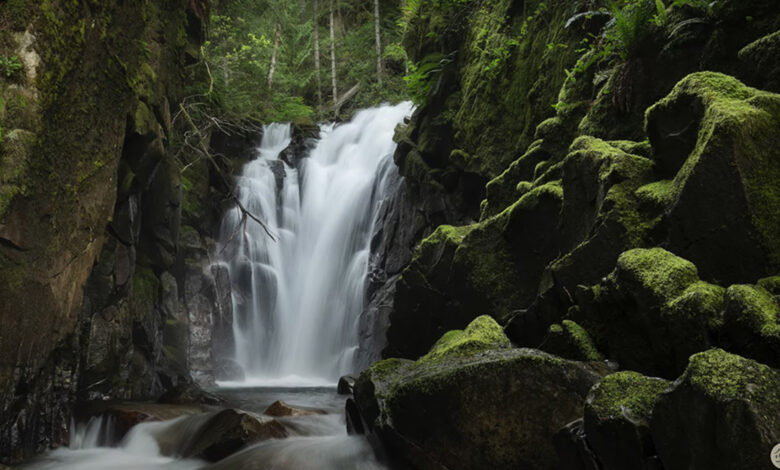
ISO settings can be utilized creatively to capture different types of motion in photography. When aiming to convey a sense of motion, using a slower shutter speed while maintaining a low ISO can help create stunning long exposure shots. This technique is commonly used in capturing silky waterfalls, light trails, or smooth cloud movements. On the other hand, when freezing action is the goal, a higher ISO combined with a fast shutter speed allows for sharp and dynamic images.
ISO and Post-Processing
In post-processing, noise reduction techniques can be applied to minimize the impact of noise introduced by higher ISO settings. Most image editing software provides noise reduction tools that can help improve the overall quality of photographs. However, it's important to strike a balance, as excessive noise reduction can lead to loss of detail and a loss of the natural grain present in the image.
Common ISO Mistakes to Avoid
1. Using a high ISO unnecessarily: One common mistake is using a high ISO even when there is enough light available. Always assess the lighting conditions and use the lowest ISO possible without compromising the desired exposure.
2. Ignoring the noise performance of your camera: Different camera models have varying noise performance at high ISO settings. Understand your camera's capabilities and limitations to make informed decisions regarding ISO.
3. Overlooking the impact of noise reduction in post-processing: While noise reduction can be beneficial, excessive use can result in loss of detail and a plastic-like appearance. Use noise reduction sparingly and find a balance that maintains the image's natural look.
4. Not experimenting with different ISO settings: ISO is a creative tool. Don't be afraid to experiment and explore the effects of different ISO values on your images. By understanding the nuances, you can enhance your photographic style and adapt to various shooting conditions.
5. Not considering the print size: Higher ISO settings can result in more visible noise, especially when printing large-sized images. Keep in mind the intended print size when choosing ISO values to ensure the final print meets your quality standards.
6. Forgetting to adjust ISO after changing shooting conditions: It's easy to overlook the ISO setting when transitioning from one shooting environment to another. Always double-check and adjust the ISO accordingly to match the new lighting conditions.
FAQs
1. What is the ideal ISO setting for photography?
The ideal ISO setting depends on the lighting conditions and the desired outcome. In well-lit environments, lower ISO values (e.g., 100-400) are usually preferred for minimal noise. In low-light situations, higher ISO values may be necessary to maintain proper exposure.
2. Does higher ISO always mean more noise?
Higher ISO settings can introduce more noise to the image, but modern cameras are equipped with advanced noise reduction technologies that help mitigate this issue. Higher-end cameras generally handle noise better, producing cleaner images even at higher ISO values.
3. Can I fix high ISO noise in post-processing?
Yes, noise reduction techniques can be applied in post-processing to minimize the impact of noise. However, it's important to strike a balance, as excessive noise reduction can lead to loss of detail and a loss of the natural grain present in the image.
4. How does ISO affect the exposure triangle?
ISO, along with aperture and shutter speed, is a crucial component of the exposure triangle. By adjusting the ISO, you can control the sensitivity of the camera's sensor to light, which in turn affects the overall exposure of the image.
5. Can I change the ISO setting during a photoshoot?
Yes, you can change the ISO setting during a photoshoot to adapt to changing lighting conditions. It's important to monitor the exposure and adjust the ISO accordingly to maintain the desired exposure level.
6. How does film ISO differ from digital ISO?
Film ISO refers to the sensitivity of the film to light, whereas digital ISO refers to the sensitivity of the camera's image sensor. Film ISO is predetermined based on the film roll you choose, while digital ISO can be adjusted on the camera.
Understanding ISO is essential for any photographer who wants to capture well-exposed and high-quality photographs. By grasping the concept of ISO and its relationship with aperture and shutter speed, you gain greater control over your images and can adapt to various lighting conditions. Whether you're shooting landscapes, portraits, wildlife, or night scenes, knowing how to effectively utilize ISO will significantly enhance your photography skills. So, go out there, experiment, and discover the incredible possibilities ISO brings to your photography.