How to Improve Your White and Black Photography
-
 Loading...
 - Berthe Zahra
- 08 Jun 2023
- 67 Views
- 0 Like
- 0 Comment
White and black photography has a timeless appeal that can captivate viewers with its elegance and simplicity. It allows photographers to explore light, shadow, texture, and composition uniquely. If you're passionate about black-and-white photography and want to enhance your skills, this article will provide you with valuable tips and techniques to improve your craft. From understanding the fundamentals to mastering advanced editing techniques, we'll cover it all. So grab your camera, and let's dive into the world of black-and-white photography!
1. Understanding the Basics of Black and White Photography
a. The Power of Monochrome
Monochrome photography has a charm of its own. By eliminating color, it strips away distractions, allowing viewers to focus on the essence of the image. Monochrome images convey emotions and tell stories differently compared to their colored counterparts. They evoke a sense of nostalgia, add drama, and enhance the visual impact of the subject.
b. Capturing Contrast and Tonal Range
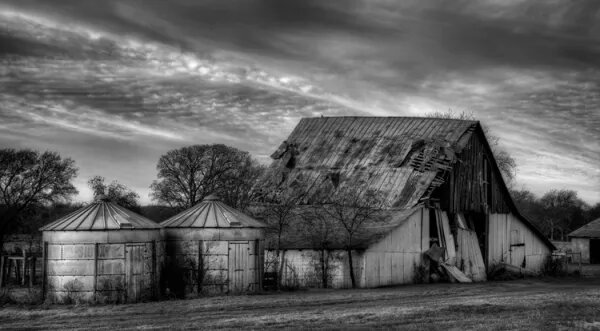
In black-and-white photography, contrast plays a vital role. The interplay between highlights and shadows creates depth and adds visual interest. To capture a wide tonal range, pay attention to the lighting conditions while shooting. Experiment with different angles and intensities of light to create dramatic contrasts.
c. Composing for Impact
Composition is crucial in any form of photography, and black-and-white photography is no exception. When framing your shot, consider the rule of thirds, leading lines, and symmetry. Look for patterns, textures, and shapes that stand out in monochrome. Experiment with different compositions to create a visually striking image.
2. Essential Equipment for Black and White Photography
a. Choosing the Right Camera
While any camera can be used for black-and-white photography, certain features can enhance your experience. Look for a camera that offers manual controls, high ISO capabilities, and a RAW shooting option. These features provide greater control over exposure, noise, and post-processing.
b. Lens Selection
The choice of lens depends on your subject and the effect you want to achieve. Wide-angle lenses are great for capturing landscapes and architecture, while telephoto lenses are ideal for isolating subjects and compressing the scene. Experiment with different focal lengths to find the lens that best suits your style.
c. Filters for Monochrome Magic
Filters are essential tools for black-and-white photography. They allow you to manipulate contrast, tone, and exposure during the shooting process. A few commonly used filters include:
1. Red Filter: Enhances contrast and darkens blue skies.
2. Yellow Filter: Adds warmth and boosts contrast.
3. Orange Filter: Enhances skin tones and separates them from the background.
4. Neutral Density (ND) Filter: Reduces the amount of light entering the lens, allowing for longer exposures.
Experiment with different filters to achieve the desired effect in your black-and-white images.
3. Mastering Black and White Editing Techniques
a. Choosing the Right Software
To unlock the full potential of your black-and-white images, it's essential to use powerful editing software. Adobe Lightroom and Adobe Photoshop are industry-standard tools for photographers. This software offers a wide range of editing capabilities, including exposure adjustment, contrast enhancement, and fine-tuning of individual tones.
b. Adjusting Contrast and Tone
One of the key elements in black-and-white photography is controlling contrast and tone. Use the histogram in your editing software to analyze the tonal distribution of your image. Adjust the sliders for highlights, shadows, whites, and blacks to fine-tune the overall tonal range. By carefully adjusting these parameters, you can bring out the desired mood and atmosphere in your image.
c. Enhancing Details and Texture
Black and white images rely heavily on texture to create impact. Use the sharpening tools in your editing software to enhance details and bring out the texture of your subject. Be cautious not to over-sharpen, as it can create unwanted artifacts. Find the right balance to make your subject pop without compromising the overall image quality.
d. Exploring Split Toning
Split toning is a technique where different colors are applied to the highlights and shadows of an image. It adds depth and mood to black-and-white photographs. Experiment with warm and cool tones to achieve various effects. For example, applying a warm tone to highlights and a cool tone to shadows can create a vintage look.
e. Embracing the Power of Black and White
Sometimes, the simplest approach is the most effective. Embracing the power of pure black and white can create stunning results. Remove distractions and focus solely on the interplay between light and shadow. Let the absence of color speak volumes in your photographs.
Frequently Asked Questions (FAQs)
Q1: How can I improve my composition in black-and-white photography?
A: Composition is crucial in black-and-white photography. Experiment with different angles, leading lines, and framing techniques. Look for patterns, shapes, and textures that stand out in monochrome. Practice observing the scene without being influenced by color and strive for a balanced and visually appealing composition.
Q2: Can I convert color photos to black and white in post-processing?
A: Yes, most image editing software allows you to convert color images to black and white. However, it's important to keep in mind that not all color photos translate well into black and white. When converting, pay attention to the tonal distribution and adjust the contrast and tone to achieve the desired effect.
Q3: Are there any specific subjects that work well in black-and-white photography?
A: Black and white photography is versatile and can be applied to various subjects. However, certain subjects tend to lend themselves well to monochrome, such as landscapes, architecture, portraits, street photography, and abstract compositions. Experiment with different subjects to find what resonates with your style.
Q4: Are there any online resources for learning more about black-and-white photography?
A: Yes, there are numerous online resources available to help you improve your black-and-white photography skills. Websites like Photography Life, Digital Photography School, and Light Stalking offer articles, tutorials, and forums dedicated to black-and-white photography. Additionally, YouTube channels and online courses can provide valuable insights and inspiration.
Q5: Can I print black and white photos at home?
A: Yes, with the advancement in printer technology, it's possible to print high-quality black-and-white photos at home. Look for printers that offer dedicated black and white ink cartridges or specialized printing modes for monochrome printing. Experiment with different paper types to achieve the desired look and feel.