Trump Pardons More Than 1,500 January 6 Rioters on First Day of Presidency
-
 Loading...
 - Frieda Wagner
- 21 Jan 2025
- 34 Views
- 0 Like
- 0 Comment
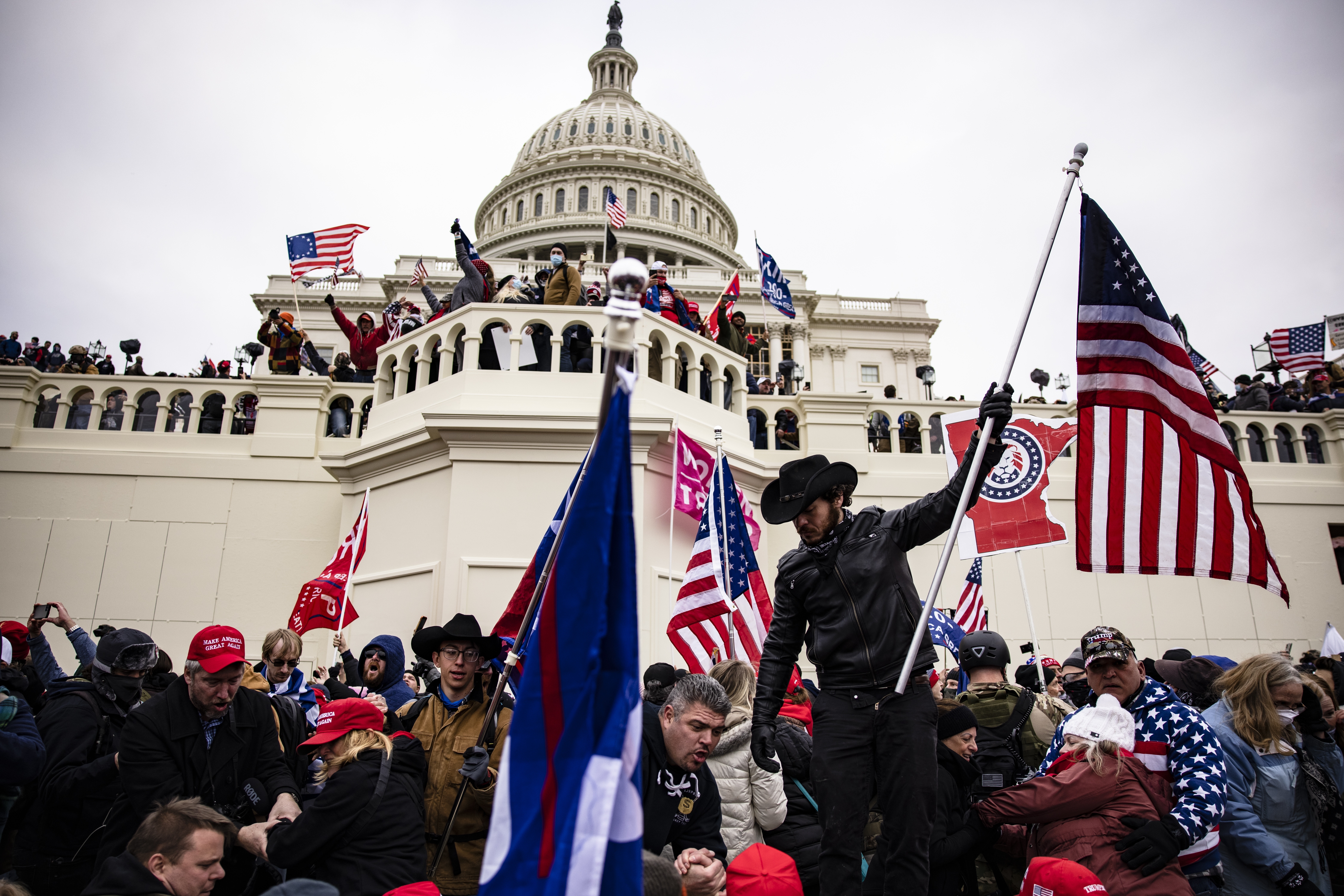
On his first day in office, President Donald Trump pardoned approximately 1,500 individuals charged in connection with the January 6, 2021, riots at the U.S. Capitol. This action marks a pivotal moment in Trump's efforts to reshape the narrative surrounding the events of that day.
During a press conference in the Oval Office, Trump announced that his pardons would cover “approximately 1,500 for a pardon – full pardon.” This sweeping decision effectively addresses nearly all individuals charged with crimes related to the Capitol attack, as prosecutors had charged over 1,580 people and secured around 1,270 convictions. As a result, the pardons are expected to end most, if not all, ongoing January 6 cases.
Among those pardoned, fourteen individuals, including prominent leaders of the Proud Boys and Oath Keepers, had their sentences commuted to time served. Speaking at a rally at Capital One Arena later that evening, Trump referred to the pardoned individuals as the “J6 hostages,” emphasizing his commitment to their release.
While it remains unclear how quickly the pardoned individuals will be released, one lawyer indicated that they expected their client to be freed on the same night. The pardons are seen as a culmination of Trump’s campaign to rewrite the history of the Capitol riots, which he has consistently framed as a politically motivated prosecution.
Legal experts have noted that Trump's actions could face challenges in court, particularly regarding the legality of pardoning individuals involved in a violent insurrection. The implications of these pardons extend beyond the immediate legal landscape, potentially influencing public perception and political dynamics surrounding the January 6 events.
In addition to the pardons, Trump’s inauguration day was marked by a series of executive actions aimed at enacting his broader agenda. Much of his focus was on immigration, including:
i. Declaring a national emergency on the southern border, which allows for the deployment of Pentagon resources to build the border wall.
ii. Ending the use of an app that enabled migrants to schedule appointments for asylum claims with U.S. Customs and Border Protection.
iii. Signing an order to redefine birthright citizenship.
Trump also rescinded 78 executive actions from the Biden administration, including policies related to anti-discrimination protections, ethics pledges for appointees, military service for transgender individuals, and private prison contracts. Additionally, he announced the U.S. withdrawal from the World Health Organization and took steps to exit the Paris climate agreement.
Trump's first day in office was characterized by bold actions that reflect his campaign promises and long-standing policy goals. The pardons for January 6 rioters represent a significant and controversial step in his presidency, likely to provoke legal challenges and political debate. As Trump embarks on this new term, the implications of his decisions will resonate throughout the political landscape, shaping discussions around accountability, justice, and the future of American democracy.