The 8 Best Muscle-building Foods for Vegans and Vegetarians
-
 Loading...
 - Anna Pedersen
- 02 Aug 2022
- 91 Views
- 0 Like
- 0 Comment
You can still maintain strong bones as a vegan or vegetarian and gain muscle. What’s key, says Leslie Bonci, R.D., L.D.N., director of sports nutrition, is packing in calcium-rich dairy subs while following this simple formula for successful muscle protein synthesis: Weight training plus adequate protein—that is, getting enough protein and spreading intake throughout the day.
Then, aim to get .5-.7g of protein per pound of bodyweight daily, suggests Bonci, divided evenly among meals. For a 150-lb man, that’s 75-105g daily. Ideally, slip 25-35g of protein and at least 2g of leucine (an essential amino acid and protein building block largely found in whey-fortified foods—including Better Whey of Life yogurt, Detour bars, and Mix1 shakes—into each meal.
A good time to pump up the protein is before or after lifting sessions. One Olympic athlete study found those who took 1.5g of Supro soy protein daily for two months experienced greater increases in body mass, strength, serum proteins, and calcium, as well as dips in post-training fatigue, compared to athletes who didn’t take soy protein. Also try soy protein powder with soy milk and frozen fruit, says Bonci, or a Clif Builder’s protein bar to supercharge workouts. (If you’re not a vegan, shakes and bars with high-quality, but dairy-deprived, whey protein are also good options.)
To further boost your plant-based diet, take a daily multi-vitamin with health-promoting calcium, iron, magnesium, vitamins D and B-12, and zinc. Enlisting the help of Carolyn Brown, nutrition expert and co-founder of Foodtrainers, we compiled the best vegan and vegetarian muscle-building food sources.

1. Nuts
Squeeze more bone-fortifying calcium into your diet—without indulging in dairy—by loading up on nuts like peanuts, almonds, and pistachios. One serving (1oz) of each has about 160 high-quality calories (according to Calorie Counter) because they’re composed of a well-balanced blend of protein, fiber, and fat. Aside from being the perfect snack on the go or in the office, nuts are a great power food that will help fill you up and trim you down. “Nut and seed butters are higher in fat than protein but these ‘good’ fats actually make you lean,” Brown says.

2. Beans
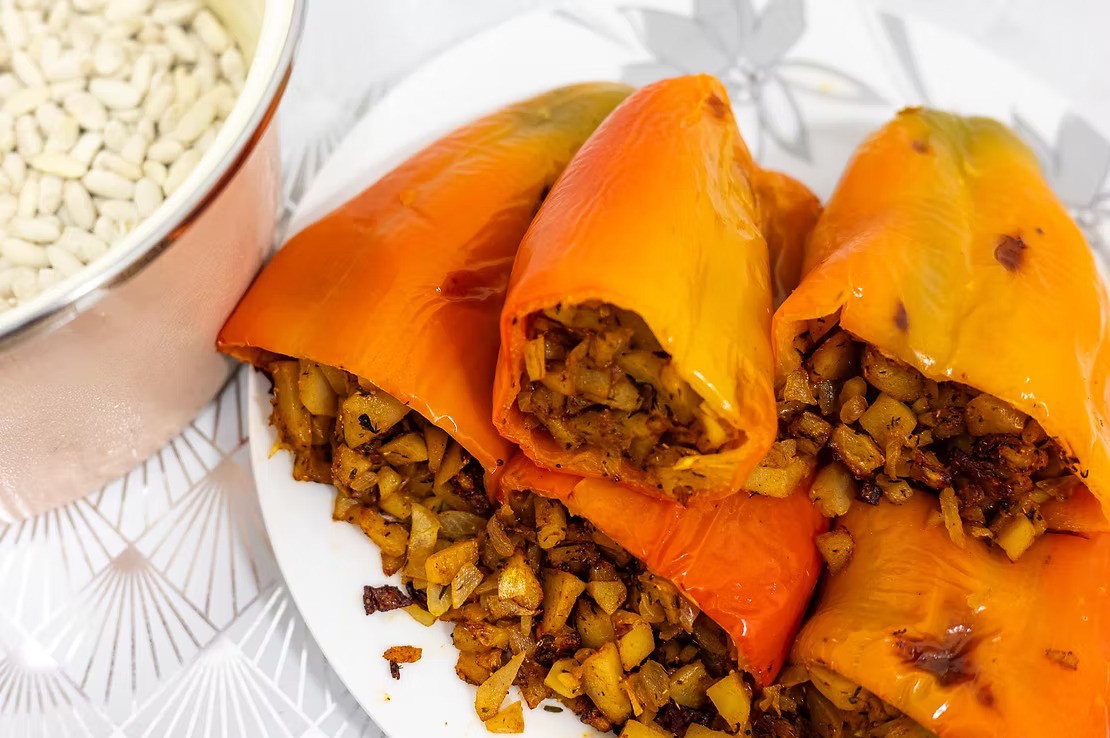
People tend to overlook the power of plant-based protein, but they’re the second-highest source of protein after meat. All bean varieties (black, pinto, navy, kidney, etc.) average about 15g of protein. What’s more, beans are exceptionally low in fat, high in fiber, and best of all they’re cheap. “And though it’s true that beans are not complete proteins, they do have many of the essential amino acids necessary for muscle-building. Add in .5-1 cup per day for protein and fiber benefits,” Brown adds.

3. Legumes
Legumes are similiar to beans, only they tend to grow in pods, so think: lentils, peas, chick peas, soybeans. They’re low in fat, have no cholesterol, and they’re one of the greatest sources of protein for vegetarians and vegans. Cooked lentils boast nearly 18g of protein; add the brown variety to soups and the green to salads for an added boost.

4. Leafy Greens
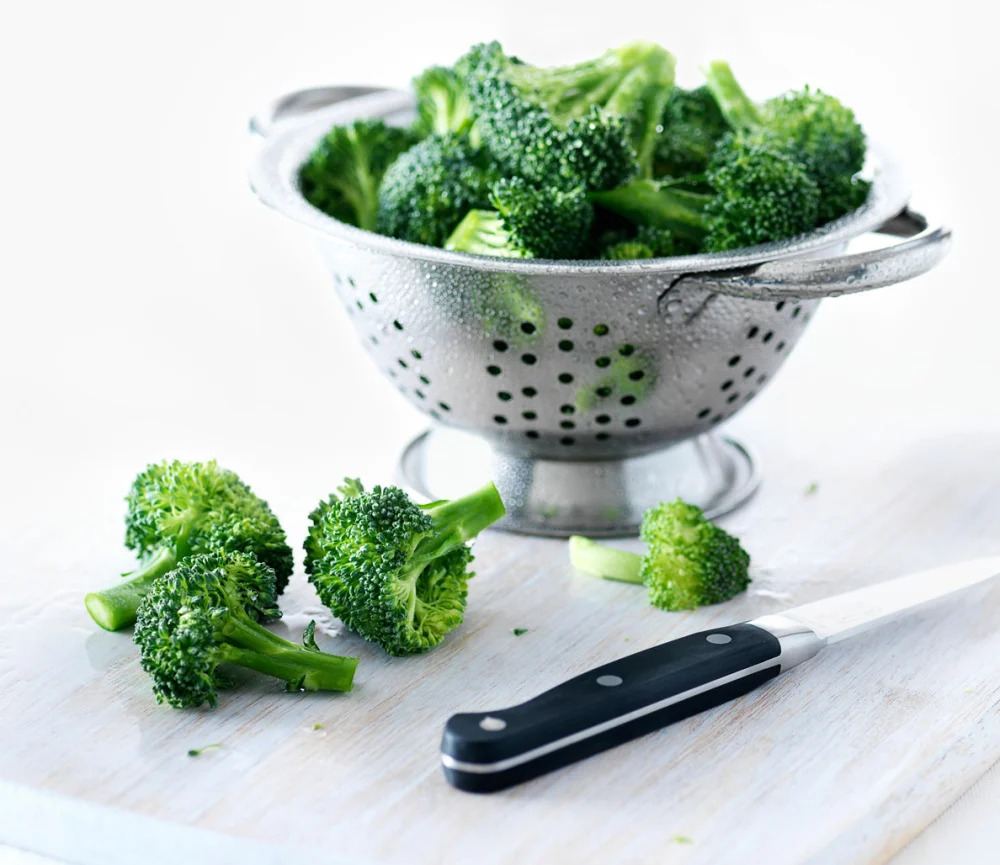
“For optimal muscle-building, you want your diet to be as nutrient-dense as possible,” Brown says. “Peas, spinach, kale, broccoli are the highest protein vegetables.” Kale, mustard greens, spinach, and the like can help you up your protein intake. Two cups of kale have about 4g of protein; the same amount of mustard greens yields 3g, and spinach has 2g. This isn’t a lot, but if you add leafy greens to morning smoothies, have a salad for lunch, and cook spinach for dinner, you can easily consume up to 15g of protein in one day.

5. Non-dairy Milk
Just one cup of calcium-fortified hemp milk has about 3g of protein and 30% of your daily calcium needs (Calorie Counter). And for an even bigger protein punch, drink soy milk. One cup packs 8g of protein (Calorie Counter). Have a glass with breakfast, pour some in cereal, or add a splash to your smoothies. Read More...