Home Upload Photo Upload Videos Write a Blog Analytics Messaging Streaming Create Adverts Creators Program
Bebuzee Afghanistan Bebuzee Albania Bebuzee Algeria Bebuzee Andorra Bebuzee Angola Bebuzee Antigua and Barbuda Bebuzee Argentina Bebuzee Armenia Bebuzee Australia Bebuzee Austria Bebuzee Azerbaijan Bebuzee Bahamas Bebuzee Bahrain Bebuzee Bangladesh Bebuzee Barbados Bebuzee Belarus Bebuzee Belgium Bebuzee Belize Bebuzee Benin Bebuzee Bhutan Bebuzee Bolivia Bebuzee Bosnia and Herzegovina Bebuzee Botswana Bebuzee Brazil Bebuzee Brunei Bebuzee Bulgaria Bebuzee Burkina Faso Bebuzee Burundi Bebuzee Cabo Verde Bebuzee Cambodia Bebuzee Cameroon Bebuzee Canada Bebuzee Central African Republic Bebuzee Chad Bebuzee Chile Bebuzee China Bebuzee Colombia Bebuzee Comoros Bebuzee Costa Rica Bebuzee Côte d'Ivoire Bebuzee Croatia Bebuzee Cuba Bebuzee Cyprus Bebuzee Czech Republic Bebuzee Democratic Republic of the Congo Bebuzee Denmark Bebuzee Djibouti Bebuzee Dominica Bebuzee Dominican Republic Bebuzee Ecuador Bebuzee Egypt Bebuzee El Salvador Bebuzee Equatorial Guinea Bebuzee Eritrea Bebuzee Estonia Bebuzee Eswatini Bebuzee Ethiopia Bebuzee Fiji Bebuzee Finland Bebuzee France Bebuzee Gabon Bebuzee Gambia Bebuzee Georgia Bebuzee Germany Bebuzee Ghana Bebuzee Greece Bebuzee Grenada Bebuzee Guatemala Bebuzee Guinea Bebuzee Guinea-Bissau Bebuzee Guyana Bebuzee Haiti Bebuzee Honduras Bebuzee Hong Kong Bebuzee Hungary Bebuzee Iceland Bebuzee India Bebuzee Indonesia Bebuzee Iran Bebuzee Iraq Bebuzee Ireland Bebuzee Israel Bebuzee Italy Bebuzee Jamaica Bebuzee Japan Bebuzee Jordan Bebuzee Kazakhstan Bebuzee Kenya Bebuzee Kiribati Bebuzee Kuwait Bebuzee Kyrgyzstan Bebuzee Laos Bebuzee Latvia Bebuzee Lebanon Bebuzee Lesotho Bebuzee Liberia Bebuzee Libya Bebuzee Liechtenstein Bebuzee Lithuania Bebuzee Luxembourg Bebuzee Madagascar Bebuzee Malawi Bebuzee Malaysia Bebuzee Maldives Bebuzee Mali Bebuzee Malta Bebuzee Marshall Islands Bebuzee Mauritania Bebuzee Mauritius Bebuzee Mexico Bebuzee Micronesia Bebuzee Moldova Bebuzee Monaco Bebuzee Mongolia Bebuzee Montenegro Bebuzee Morocco Bebuzee Mozambique Bebuzee Myanmar Bebuzee Namibia Bebuzee Nauru Bebuzee Nepal Bebuzee Netherlands Bebuzee New Zealand Bebuzee Nicaragua Bebuzee Niger Bebuzee Nigeria Bebuzee North Korea Bebuzee North Macedonia Bebuzee Norway Bebuzee Oman Bebuzee Pakistan Bebuzee Palau Bebuzee Panama Bebuzee Papua New Guinea Bebuzee Paraguay Bebuzee Peru Bebuzee Philippines Bebuzee Poland Bebuzee Portugal Bebuzee Qatar Bebuzee Republic of the Congo Bebuzee Romania Bebuzee Russia Bebuzee Rwanda Bebuzee Saint Kitts and Nevis Bebuzee Saint Lucia Bebuzee Saint Vincent and the Grenadines Bebuzee Samoa Bebuzee San Marino Bebuzee São Tomé and Príncipe Bebuzee Saudi Arabia Bebuzee Senegal Bebuzee Serbia Bebuzee Seychelles Bebuzee Sierra Leone Bebuzee Singapore Bebuzee Slovakia Bebuzee Slovenia Bebuzee Solomon Islands Bebuzee Somalia Bebuzee South Africa Bebuzee South Korea Bebuzee South Sudan Bebuzee Spain Bebuzee Sri Lanka Bebuzee Sudan Bebuzee Suriname Bebuzee Sweden Bebuzee Switzerland Bebuzee Syria Bebuzee Taiwan Bebuzee Tajikistan Bebuzee Tanzania Bebuzee Thailand Bebuzee Timor-Leste Bebuzee Togo Bebuzee Tonga Bebuzee Trinidad and Tobago Bebuzee Tunisia Bebuzee Turkey Bebuzee Turkmenistan Bebuzee Tuvalu Bebuzee Uganda Bebuzee Ukraine Bebuzee United Arab Emirates Bebuzee United Kingdom Bebuzee Uruguay Bebuzee Uzbekistan Bebuzee Vanuatu Bebuzee Venezuela Bebuzee Vietnam Bebuzee World Wide Bebuzee Yemen Bebuzee Zambia Bebuzee Zimbabwe
Blog Image

Senegal Paves Way for Religious Symbols in Schools

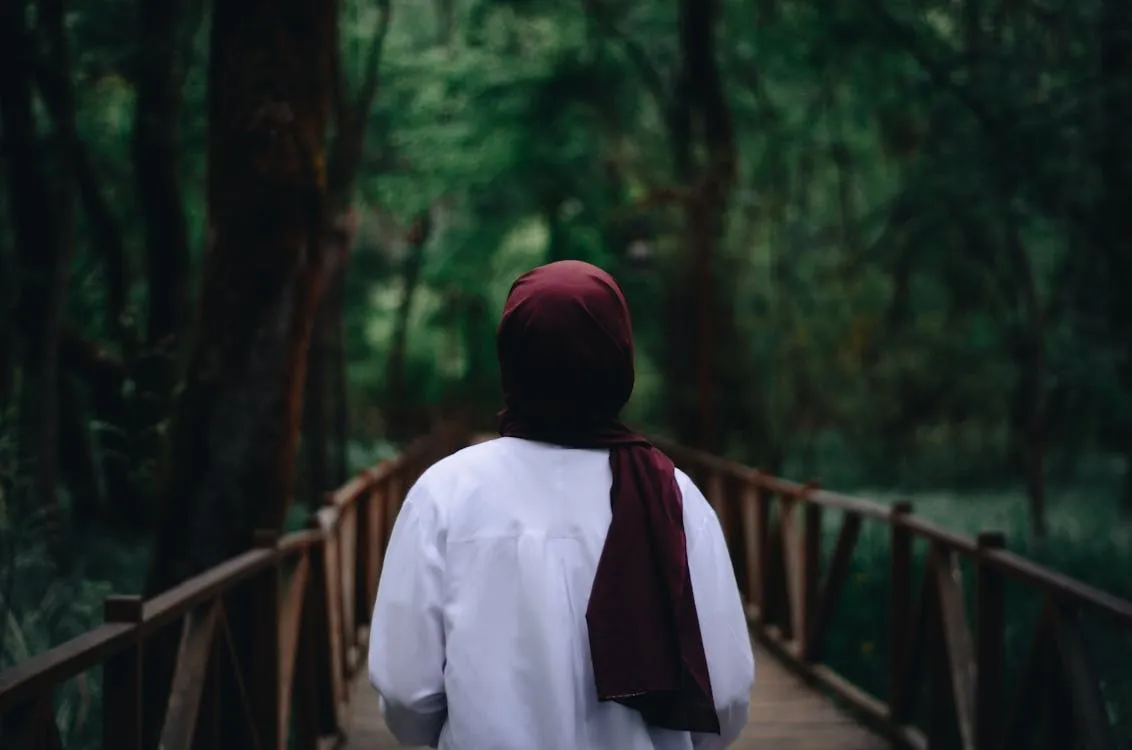
Senegalese authorities have officially lifted the ban on religious symbols in schools, allowing students to wear items such as the veil, crosses, and sacred beads. This decision was outlined in a decree published on October 8 by the Ministry of Education, just a day after the school year commenced. The regulation emphasizes the acceptance of religious symbols without hindering the clear identification of students within school premises, classrooms, and during educational activities. It specifically mandates that all public and private Catholic schools must permit the wearing of these symbols.

Senegal, a secular nation as defined by its Constitution inherited from colonial France, has a predominantly Muslim population, with approximately 95% of its citizens identifying as such. The country's educational landscape includes a mix of public schools, private Catholic institutions, and Quranic schools. Private Catholic schools, known for their high educational standards, attract many families from various religious backgrounds, including the elite.

The issue of religious symbols in schools has been contentious. Although there was no formal ban on the Islamic veil, tensions arose when a young girl was denied entry to Sainte Bernadette School in Dakar for wearing one. In 2019, the Sainte-Jeanne-d’Arc Institution also refused admission to Muslim girls who wore veils, leading to a compromise facilitated by the Senegalese state and the Vatican, which ultimately allowed the students to enroll.

The recent decree comes in the wake of comments made by Prime Minister Ousmane Sonko, who ignited public debate in late July by stating, “Some things can no longer be tolerated in this country.” He criticized certain schools for prohibiting the veil, asserting that Senegal should not be influenced by foreign norms, particularly those from France. His remarks brought the issue of religion in institutional governance back into the spotlight, resonating with his political movement's agenda.

In response, the National Council of Laity, formed by the Senegalese Bishops' Conference and comprising various Catholic associations, expressed concern over the prime minister's statements. They described his comments as a “harsh verdict against schools,” arguing that they lacked nuance and were driven by public outcry.

The decree also tackles the sensitive issue of gender mixing in educational settings, which has become increasingly debated in recent years. Some students have expressed discomfort with physical interactions, such as shaking hands or sitting next to members of the opposite sex. The new regulation specifies that “respect for religious differences does not exempt students from participating in mandatory educational and sports activities.” It further prohibits any restrictions on gender mixing within school spaces, aiming to promote values of coexistence and mutual respect.

This move to allow religious symbols and address gender dynamics in schools reflects Senegal's ongoing negotiation of its secular identity in a predominantly Muslim society, as well as the complexities of integrating diverse cultural and religious practices within its educational framework.

Previous Post

Best Primary & Kindergarten School in Bangalore - New Horizon International School

Next Post

Breaking Down the Curriculum: What You'll Learn in Massage Therapy School

Comments