Breaking Down the Curriculum: What You'll Learn in Massage Therapy School
-
 Loading...
 - Aliza Beth
- 23 Dec 2024
- 92 Views
- 0 Like
- 0 Comment
Breaking Down the Curriculum: What You'll Learn in Massage Therapy School
Massage therapy is a growing field that offers rewarding career opportunities, with massage therapists providing healing benefits to clients across the world. However, before stepping into the world of therapeutic touch, aspiring massage therapists must first complete comprehensive massage schooling. Understanding the curriculum of massage therapy programs is essential for those interested in this career path. In this blog, we will break down the curriculum of massage therapy schools and what you can expect to learn during your training.
Core Subjects in Massage Therapy Schooling
1. Anatomy and Physiology
One of the first and most important components of massage schooling is learning about the human body. Anatomy and physiology courses teach students about the structure and function of bones, muscles, joints, and organs. This knowledge is crucial for massage therapists because it enables them to understand how the body responds to different techniques and how to safely work with the musculoskeletal system. A strong foundation in these subjects ensures that massage therapists can work with clients in a way that promotes healing without causing injury.
2. Massage Techniques and Modalities
In massage therapy school, students will spend a significant portion of their time mastering different massage techniques and modalities. These techniques can vary from Swedish massage, deep tissue massage, and sports massage to more specialized methods like hot stone therapy and trigger point therapy. Each modality has its unique benefits and applications, and massage therapy programs will ensure students develop proficiency in a variety of techniques to meet the needs of diverse clients.
3. Pathology and Conditions
Massage therapy is often used as a complementary treatment for various medical conditions. In massage schooling, students will learn about common conditions that can benefit from massage therapy, such as arthritis, muscle strains, headaches, and chronic pain conditions. This coursework helps students understand when and how to modify massage techniques to best serve clients with these issues. Learning about the contraindications (conditions that make massage therapy inadvisable) is also important to ensure the safety and well-being of clients.
4. Ethics and Professionalism
Massage therapists are entrusted with their clients' well-being, which is why ethical practices and professionalism are integral parts of the curriculum. Students will learn about the legal and ethical standards of the profession, including client confidentiality, boundaries, and informed consent. Additionally, they will study the importance of professionalism in a client-therapist relationship, ensuring that they approach each session with respect and responsibility.
5. Business and Marketing Skills
As a massage therapist, understanding how to manage a business or work as an independent contractor is crucial. Many massage therapy schools offer courses that teach students essential business and marketing skills, such as client management, billing, and scheduling. Additionally, students will learn how to market their services, including creating a brand, setting rates, and managing client relationships. These skills are vital for running a successful massage therapy practice.
6. Hands-On Practice and Clinical Experience
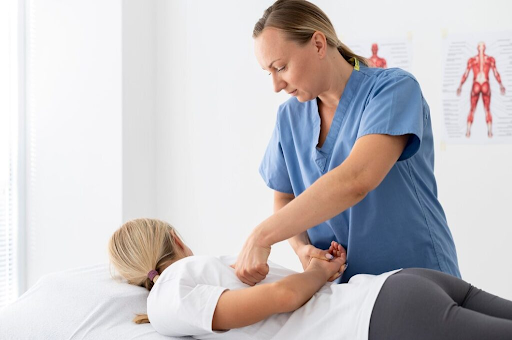
One of the most valuable aspects of massage schooling is hands-on training. Most massage therapy programs include clinical experience where students work with real clients under the supervision of experienced instructors. This clinical experience allows students to apply what they’ve learned in the classroom to real-world situations, building their confidence and preparing them for professional practice.
Conclusion
Massage schooling provides a comprehensive education designed to equip students with the knowledge and skills necessary to become successful massage therapists. From anatomy and physiology to hands-on practice and business management, the curriculum covers all aspects of the profession. Graduates of massage therapy schools are well-prepared to enter the workforce, whether they choose to work in spas, clinics, hospitals, or start their own private practice. Choosing the right massages schools is essential to ensuring you receive the highest quality education. When researching potential programs, look for massage schools with experienced instructors, hands-on training opportunities, and a well-rounded curriculum. With the right education, you’ll be well on your way to a rewarding career in massage therapy.


