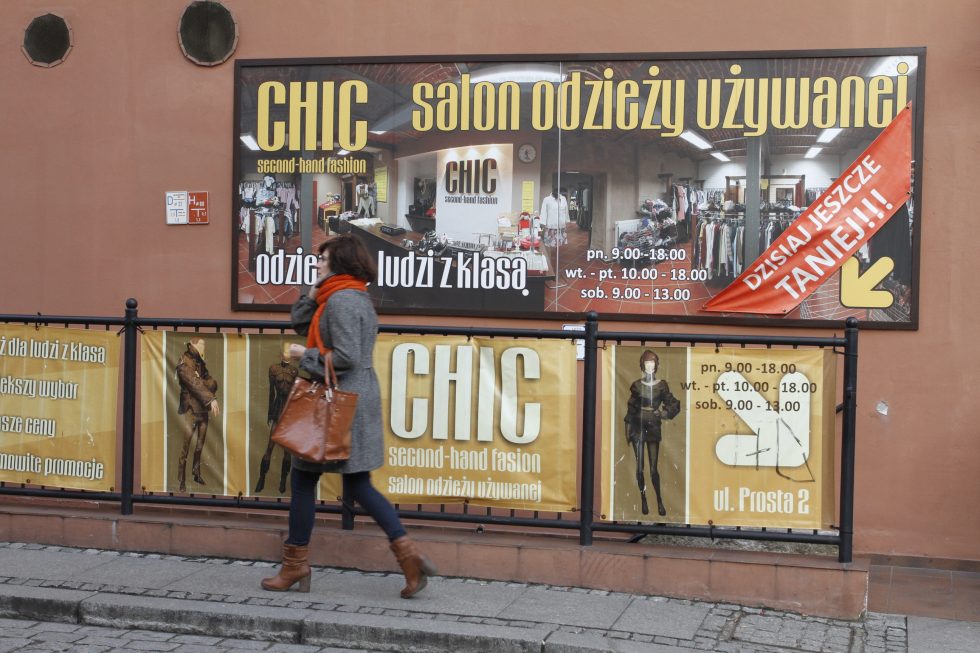
Second-hand shopping gets a new lease of life in Poland
-
 Loading...
 - martha luna
- 05 May 2022
- 308 Views
- 0 Like
- 0 Comment
Szymon Czyż, a 22-year-old engineer, waited for two hours for his favourite local second-hand shop to open on the day of the new clothes delivery. That is when treasure hunters like him sprint to find trendy, good-quality used clothing, pushing each other and occasionally even stealing baskets or taking each other’s finds.
Such second-hand clothes stores have been dying out in Polish towns and cities: there were 39% fewer operating in the country in July 2021 than there were in 2009. Yet despite this trend, the market in used clothes is thriving, as it increasingly moves online and upmarket, catering to a more fashion- and environment-conscious young clientele like Czyż.
“Recent data show that the second-hand clothing market is growing faster than the market for new clothing,” says Agnieszka WÄ…sowska of Fashion Revolution Poland, a fashion activist group.
That trend was outlined in a recent report by Accenture on consumer choices, which found that 44% of Poles first look for second-hand items when they need clothes, shoes or accessories. Even though more than a half of respondents still prefer going to a pre-owned shop in person, more and more are doing so on social media and in online marketplaces, a change accelerated by the pandemic.
Second-hand, second-rate
The negative connotations that linger around second-hand shops in Poland are shown by some of the words used to describe them: lumpeks, ciucholand, or szmateks, meaning something like “rag shop” or “togs land”. Lumpeks is particularly popular, derived from a mixture of the German word lumpen, meaning rags, and giving rise to the term lumpowanie, referring to the practice of purchasing and recycling used clothing.
Such stores, selling used clothes by weight, first appeared in Poland during the communist era, when they offered imported clothing that was too expensive for most Poles to buy first-hand. By the 1990s, the shops had come to be seen as overcrowded, unpleasant and for the less well off.
“Because mostly the poor people were buying there, others didn’t want to go,” says WÄ…sowska. “They didn’t want to be seen in those places. People bought clothes in second-hand stores because they couldn’t afford to buy them [first hand].”
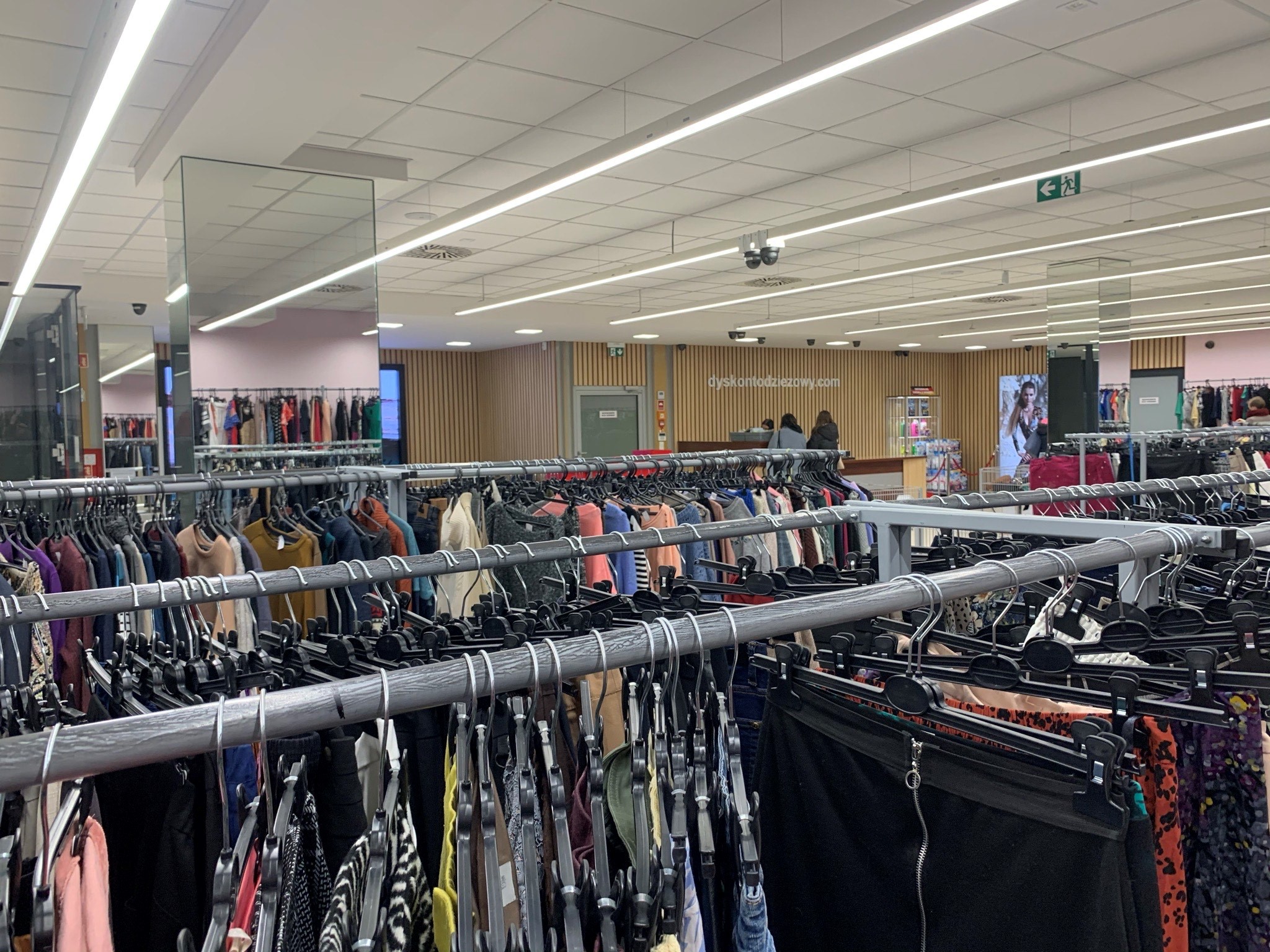
Poland’s increasing prosperity and changing consumer habits have resulted in a steady stream of closures for such second-hand stores. There were 23,500 operating in 2009, but that figure has decreased every year since then, reaching a low of 14,400 in 2021, Tomasz Starzyk from Dun & Bradstreet, a commercial data company, told Notes from Poland.
A new shopping model
Despite these closures, the second-hand market in Poland remains strong, worth around 5-6 billion zloty a year, according to 2019 data from Statistics Poland (GUS), the government statistical agency, cited by the Rzeczpospolita daily. Some 10 million Poles, more than a quarter of the population, say they buy used clothes, reported the newspaper.
Many of them are doing so from online sources, and the impact of the pandemic has hastened a change in habits. Nearly half of Poles had used apps and websites to purchase things from and sell things to other users in the last six months, found an SW Research poll for Accenture in October 2020.
Another survey last year by the same agency, on behalf of second-hand store chain Wtórpol, found that 28% said they bought used clothing online more often than before the pandemic. Read More…