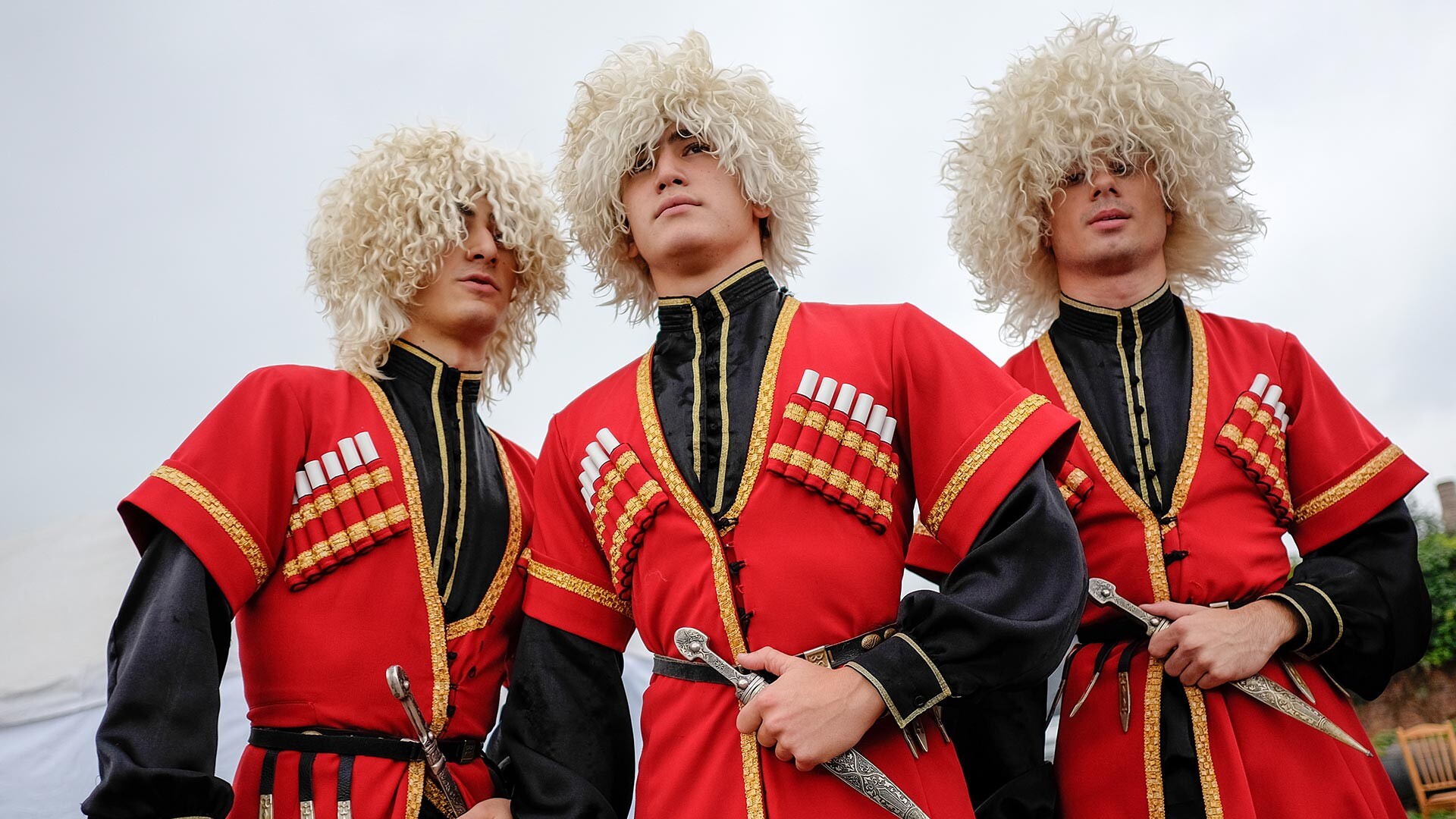
10 largest ethnic groups of the Russian Caucasus
-
 Loading...
 - Vanessa Davis
- 05 May 2022
- 312 Views
- 0 Like
- 0 Comment
The Russian Caucasus is home to a huge number of ethnic groups, each with their own history, language, culture and gastronomy. There are almost mono-ethnic national republics, such as Ingushetia, where Ingush people make up 95% of the locals, and multinational republics like Dagestan, with about 30 peoples and 14 state languages. What are the Caucasian ethnic groups considered to be the most numerous?
1. The Chechens
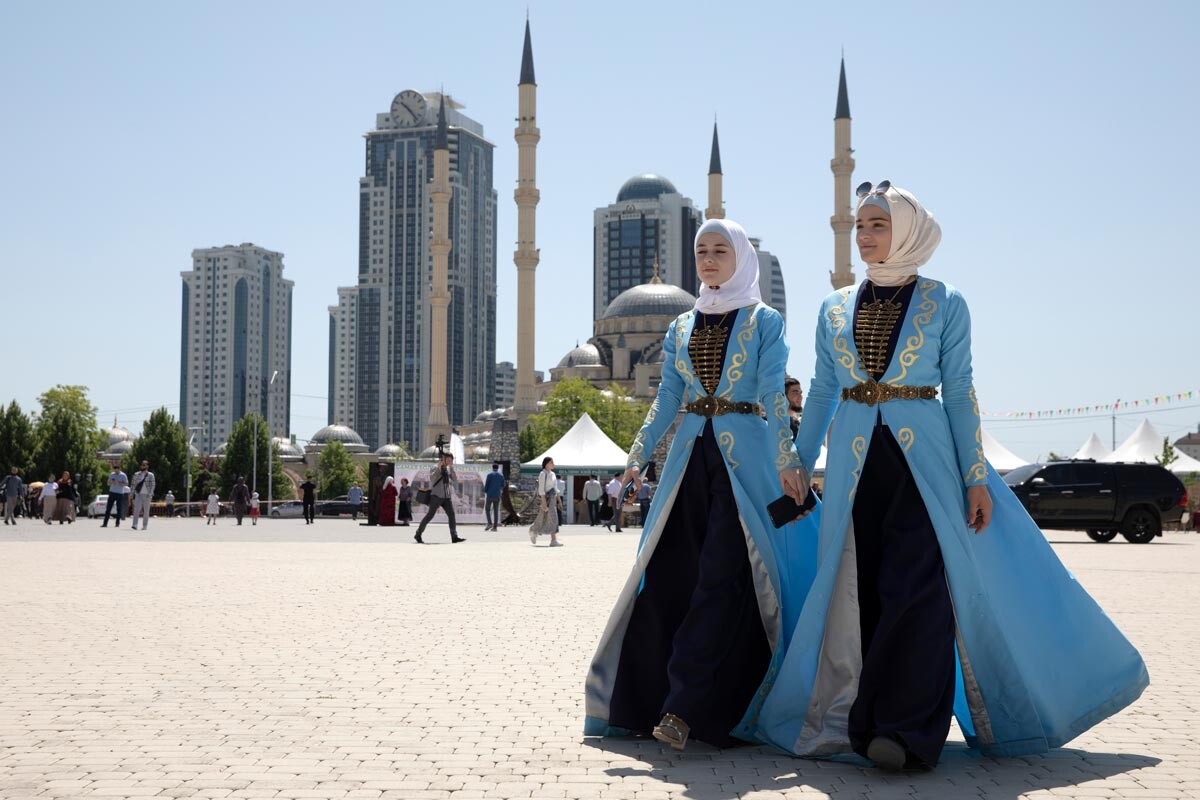
This is one of the largest ethnic groups not only in the region, but also the country. However, the majority of them live in the Chechen Republic - more than 1.2 million (of 1.5 million in total). Chechens also live in neighboring Dagestan and Ingushetia. The Chechen language includes seven dialects and many local sub-dialects.
Chechens call themselves ‘Nokhchiy’ (“people”) and ‘Vainakh’ (“our people”) - this is the common name for the Chechen and related Ingush people. Chechen society consists of ‘teips’, that include several families united by kinship ties. Most Chechens are Muslim. Women cover their heads with the traditional headscarf (however, it’s not customary to cover the face) and wear long bright dresses. Men also don’t wear shorts on the street.
2. The Circassians
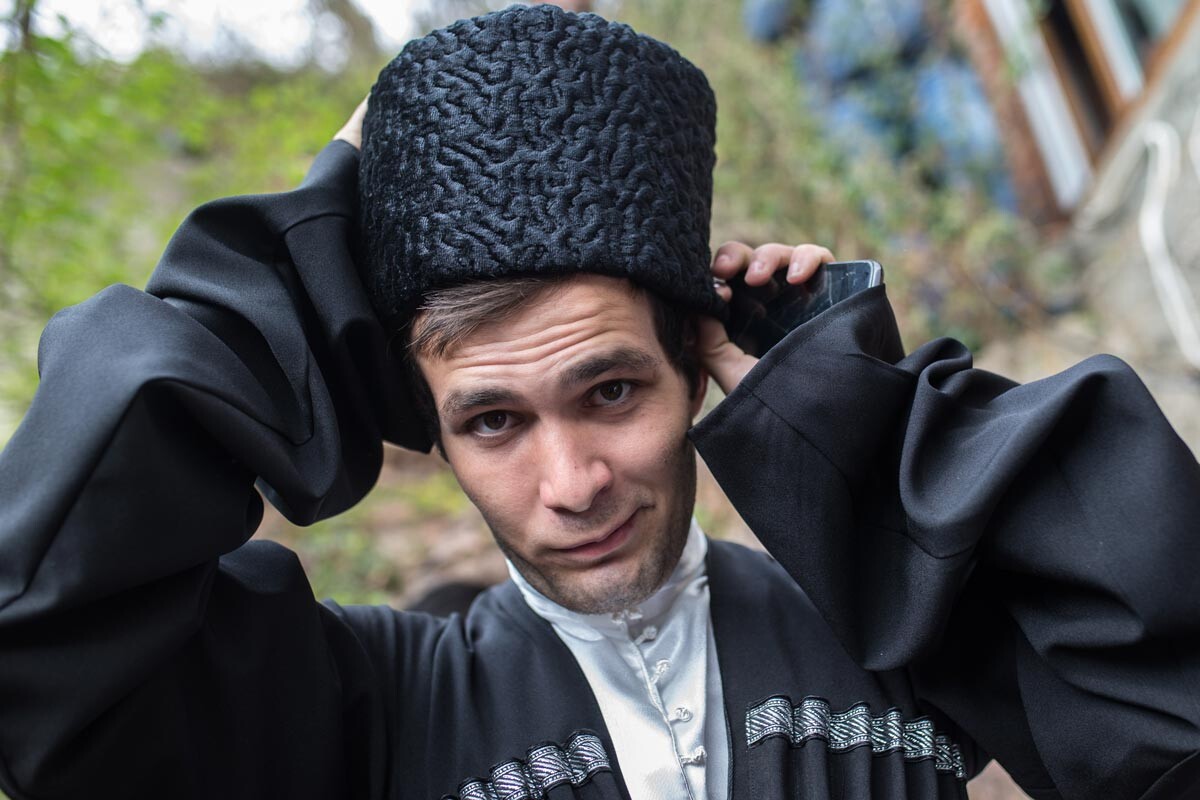
The Circassians (also often called Adyghe or Cherkess) have several sub-ethnoses: Adygeans, Kabardins, Shapsugs and Circassians. There are about 2.5 million of them in the world (some sources estimate up to 5 million) and, in Russia, about 720,000. More than half of them live in Kabardino-Balkaria (Kabardins), also in Adygea (Adygeans), Karachay-Cherkessia (Circassians), Krasnodar Territory (Shapsugs) and other regions. Circassian peoples have one language with different regional dialects. At the same time, sub-ethnoses have the same traditions, customs and culture. The Circassians are also mostly Muslim, however, there are some Orthodox believers in North Ossetia. By the way, the traditional Caucasian men’s costume is also named after Circassians - the ‘cherkesska’.
3. The Avars
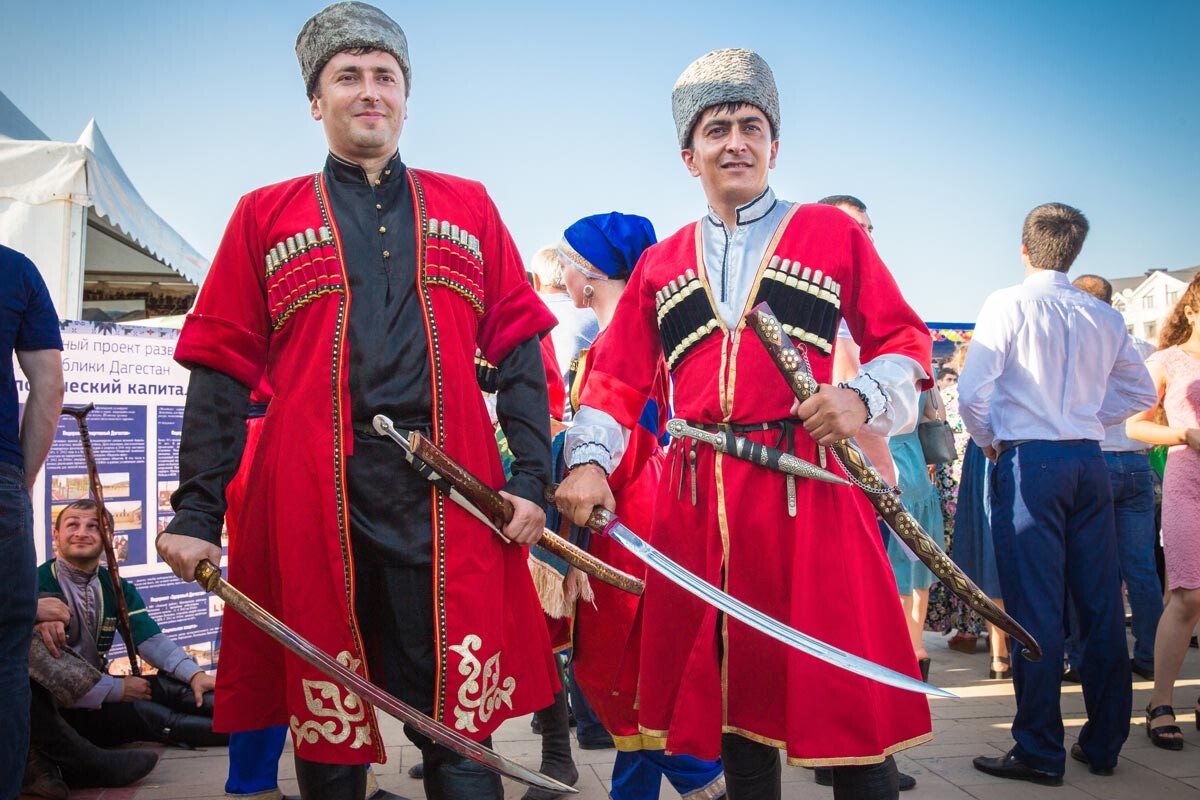
The most numerous ethnic group in Dagestan are the Avars. In this republic, they number about 900,000 people (from an estimated 1 million in the world), i.e. about a quarter of the Dagestan population. Avar is also the most widespread language in Dagestan, but its regional dialects can vary greatly. Many modern Avars practice Sunni Islam. One of the most famous modern Avars in the world is UFC champ Khabib Nurmagomedov.
4. The Dargins
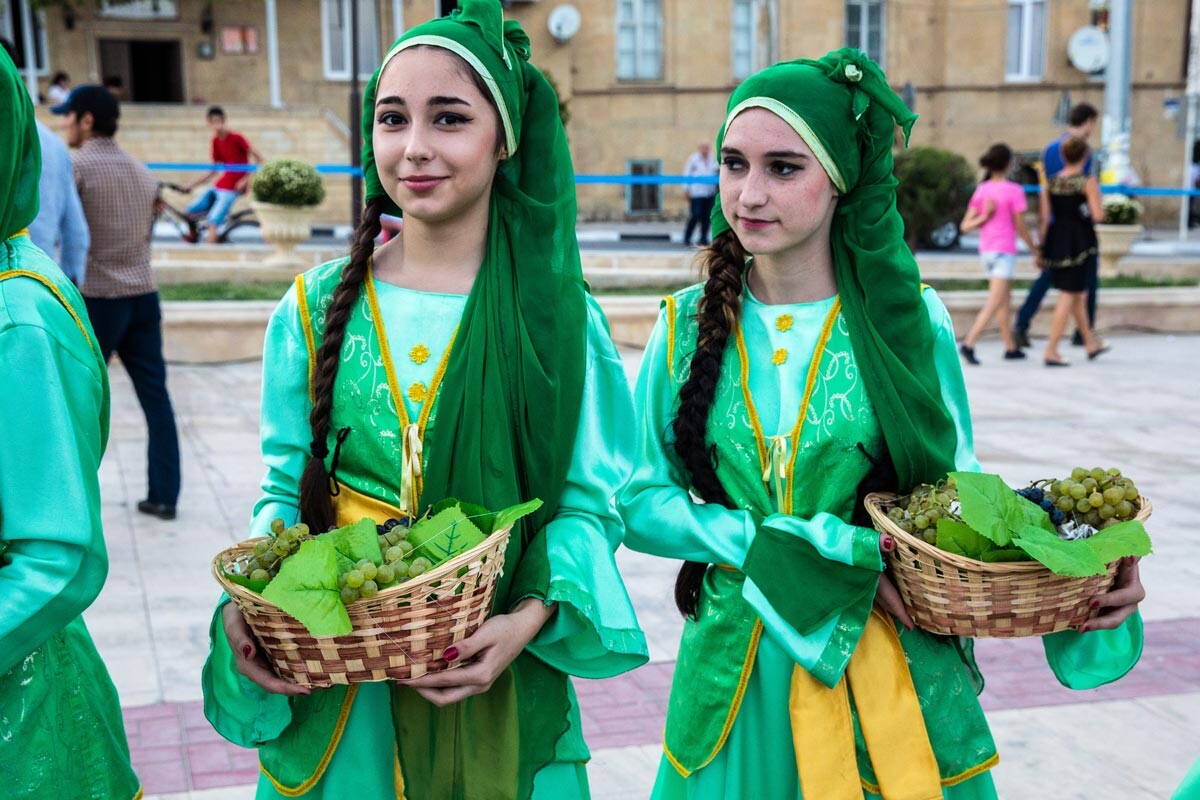
The second largest ethnic group in Dagestan after the Avars are the Dargins - about 500,000 (from an estimated 600,000 worldwide). The Dargin culture and language have a long history: the first manuscripts with Dargin words date back to the 13th century.
The modern Dargin alphabet has 46 letters, but the language is divided into many dialects. Like the Avars, the Dargins are Sunnis.
There are subethnic groups among Dargins; for example, Kubachins - inhabitants of the village of Kubachi, known as a center of folk crafts (here’s the story about the Kubachi scarves and the village).
5. The Ossetians
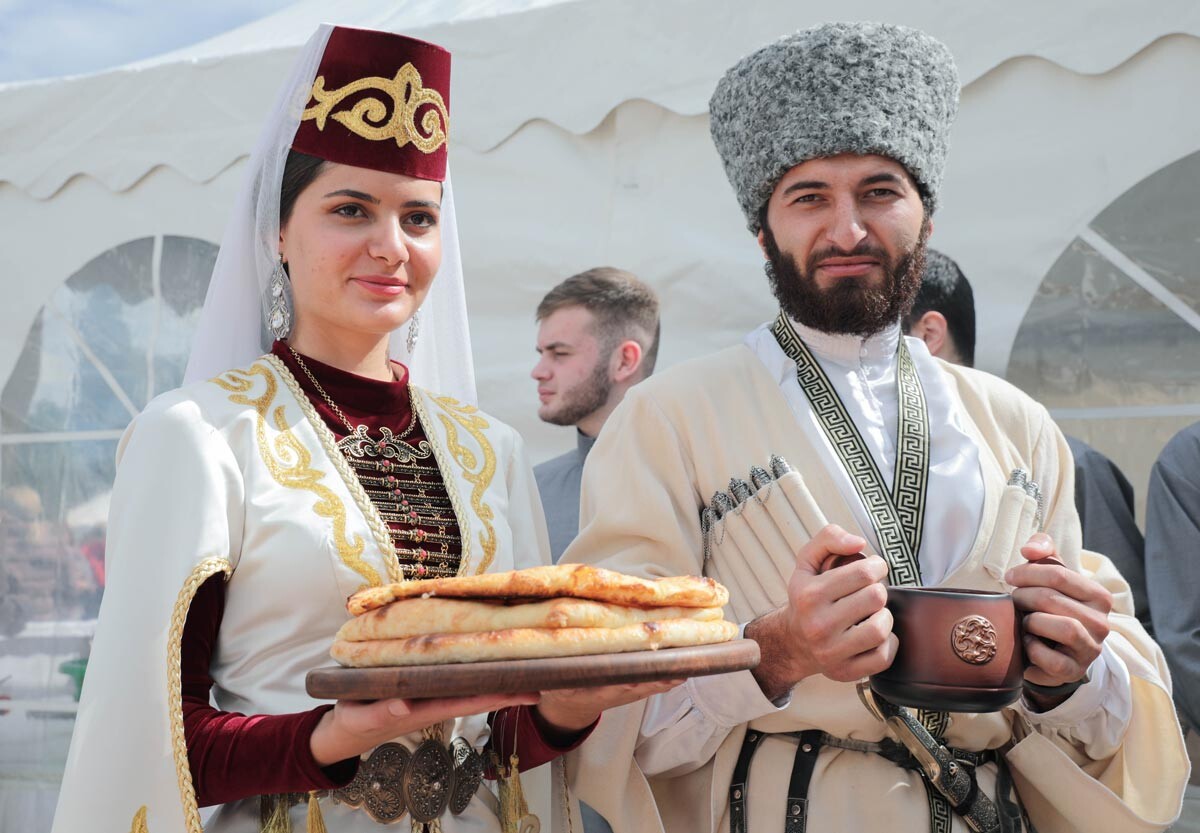
In the Republic of North Ossetia, most of the population are Ossetians, who consider themselves descendants of the ancient Alan people.
There are about 500,000 Ossetians in the Russian Caucasus and about 700,000 in the world.
The Ossetian language belongs to the Iranian group. Most Ossetians are Orthodox, combining this religion with ancient Caucasian customs, with only 10% Muslim, as opposed to the neighboring regions.
By the way, the main dish of the local cuisine, the Ossetian pie, has gained popularity all over the country and can be found in almost every city in Russia. Read More…


