Scientists Develop Innovative Supplement to Protect Bees from Pesticide Damage
-
 Loading...
 - Vinha Harju
- 25 Oct 2024
- 47 Views
- 0 Like
- 0 Comment
Effort to safeguard bee populations, scientists in Colombia have created a novel food supplement designed to protect bees' brains from the harmful effects of pesticides. This innovative solution is particularly significant given the crucial role bees play as pollinators in maintaining natural ecosystems and supporting food production.
The Role of Flavonoids
Developed at Rosario University in Bogotá in collaboration with the Department of Neuroscience at the University of Arizona and Universidad Javeriana, the supplement is formulated with flavonoids. These plant-derived secondary metabolites are well-known for their health benefits and are believed to provide protective effects against neurotoxins commonly found in agricultural pesticides.
Andre Riveros, an associate professor at Rosario University, emphasized the importance of this nutritional solution. "This is a nutritional solution to the problem bees face when exposed to pesticides," he stated. "The food induces them to develop a protection against pesticides."
Research and Development Process
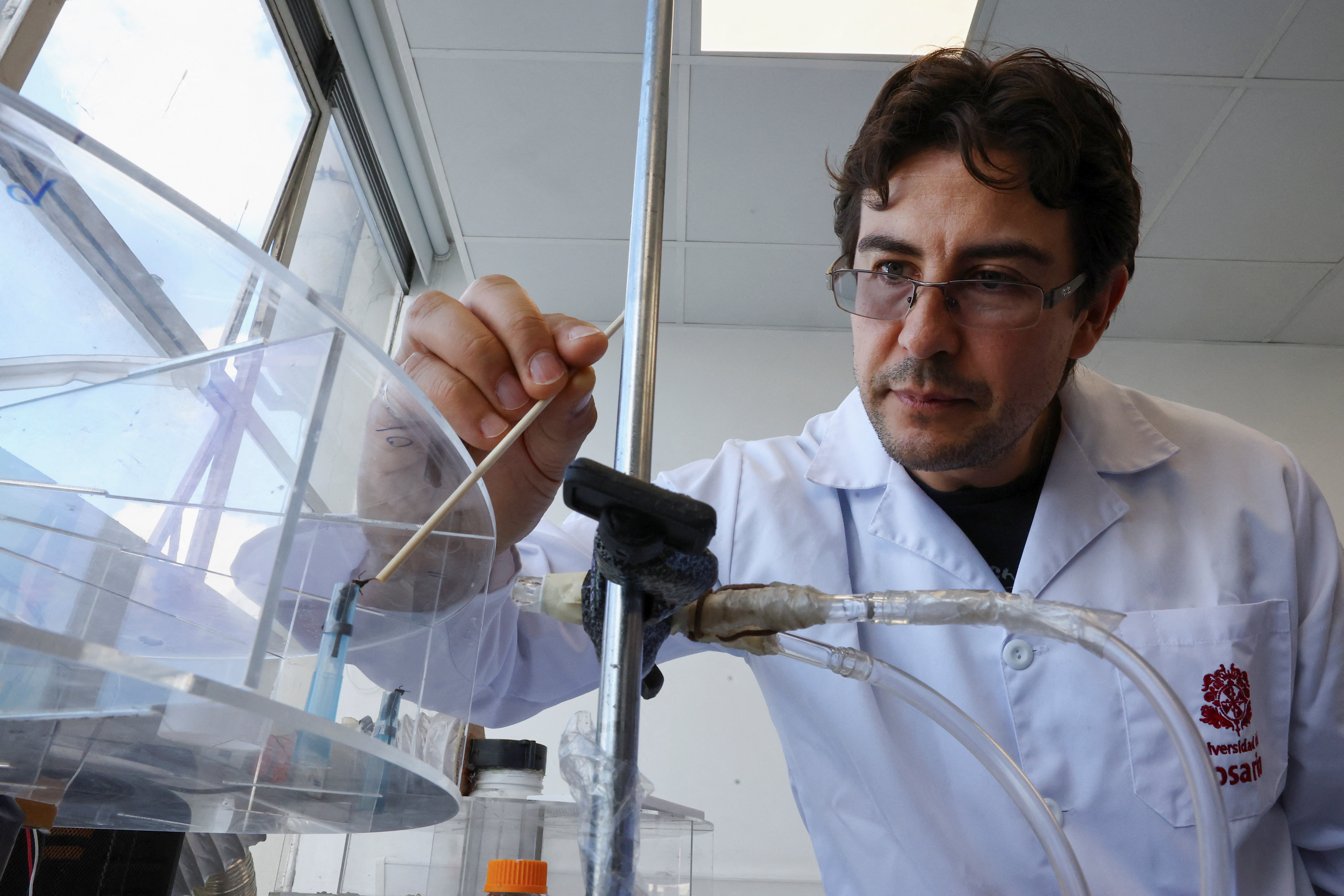
The initial stages of the supplement's development involved meticulous laboratory testing. Scientists sedated bees and confined them to small tubes, where they were fed the supplement individually. This controlled environment allowed researchers to observe the effects of the supplement on the bees' health and neurological function.
Following promising laboratory results, the research has progressed to real-world applications within a university apiary. Juan Jose Ovalle, a natural science student involved in the project, highlighted the ongoing efforts to enhance the supplement's effectiveness. "We already know that there are molecules that improve the bees' health, and we already know that there are molecules that prevent neuronal damage caused by pesticides," Ovalle explained, underscoring the importance of continuing research to optimize these protective methods.
Implications for Bee Conservation
The development of this supplement is timely, as bee populations worldwide face significant threats from pesticide exposure, habitat loss, and climate change. By providing a means to mitigate the neurological damage caused by pesticides, this research could play a vital role in bee conservation efforts and, by extension, the health of ecosystems and agricultural productivity.
As the study progresses, the researchers aim to further validate the supplement's effectiveness in various environmental conditions, potentially paving the way for broader applications in agricultural practices that prioritize bee health and sustainability.
The collaborative efforts of Colombian scientists to develop a flavonoid-based supplement represent a significant step forward in protecting bee populations from the adverse effects of pesticides. By enhancing bees' resilience to neurotoxins, this innovative solution not only supports bee health but also contributes to the preservation of vital pollinator species essential for global food security and ecological balance.