Schlammbowle Recipe
-
 Loading...
 - Bill Bouchard
- 17 Jul 2024
- 74 Views
- 0 Like
- 0 Comment
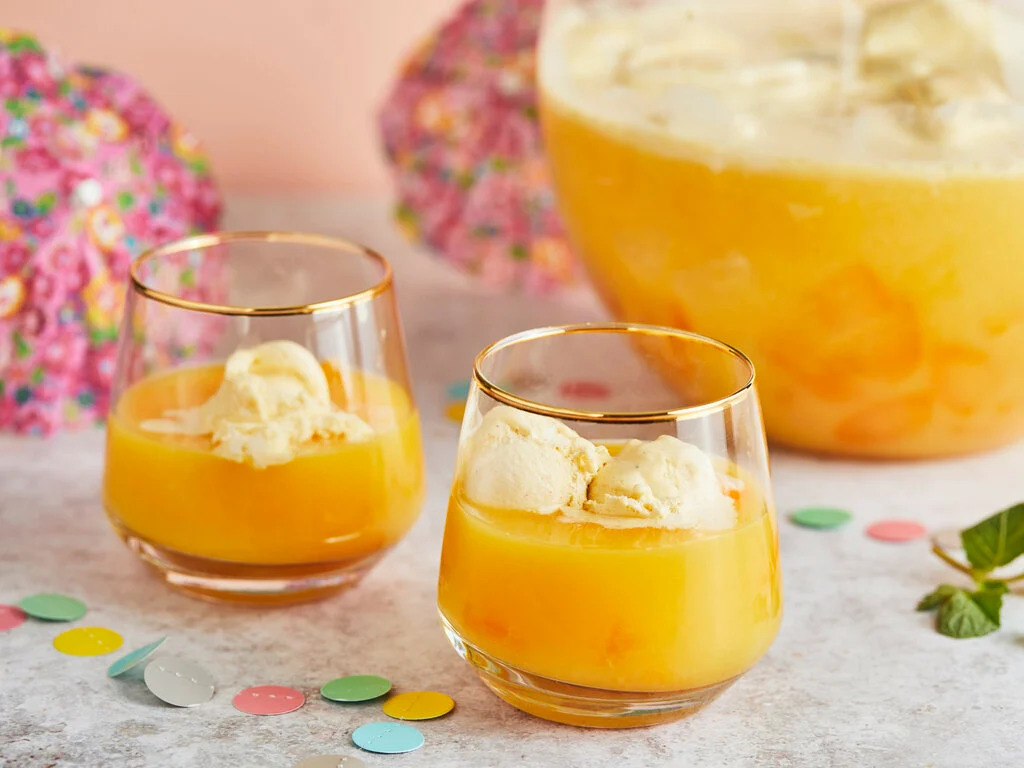
When it comes to traditional German beverages, few can rival the sheer decadence and allure of the legendary Schlammbowle. This captivating punch, which translates to "mud bowl," is a true celebration of the senses - a harmonious blend of boozy richness, fruity sweetness, and a touch of creamy indulgence that has enchanted drinkers for generations.
Whether you're hosting a lively Oktoberfest gathering, a cozy winter soirée, or simply seeking to add a touch of old-world charm to your next cocktail hour, mastering the art of Schlammbowle is a must. In this comprehensive guide, we'll delve into the history, ingredients, and step-by-step instructions for crafting the perfect batch of this beloved German libation. So, grab your punch bowl and let's dive into the world of Schlammbowle!
The Origins of Schlammbowle
The origins of Schlammbowle can be traced back to the 19th century, when it emerged as a popular punch served at social gatherings and celebrations throughout Germany. The exact origins of the drink's name are a bit murky, but it's believed to be a playful reference to the drink's rich, creamy texture, which can resemble a bowl of mud.
Despite its somewhat unconventional moniker, Schlammbowle quickly gained a loyal following, becoming a staple of traditional German festivities, from Oktoberfest to Christmas markets. Over the years, the recipe has evolved, with different regions and households putting their own unique spin on the classic formula, but the core elements – a decadent blend of red wine, brandy, and cream – have remained the same.
Ingredients for the Perfect Schlammbowle
To craft the ultimate Schlammbowle, you'll need to gather a few key ingredients. Here's what you'll need:
- Red wine (preferably a bold, full-bodied variety)
- Brandy or cognac
- Heavy cream or half-and-half
- Sugar (to taste)
- Cinnamon sticks
- Whole cloves
- Orange slices
- Lemon slices
The specific measurements will depend on the size of your punch bowl and the number of servings you're aiming to make, but as a general rule, you'll want to use equal parts red wine and brandy, with the cream added to taste. Start with a 1:1 ratio of wine to brandy, and then adjust the cream to achieve your desired consistency and richness.
Step-by-Step Instructions for Crafting Schlammbowle
Now that you've gathered your ingredients, it's time to bring this classic German punch to life. Follow these simple steps to create a Schlammbowle that will have your guests raving:
1. In a large punch bowl, combine the red wine and brandy. Stir gently to blend.
2. Add the heavy cream or half-and-half, starting with a smaller amount and gradually increasing to achieve your desired consistency. Taste and adjust the sweetness by adding sugar to your preference.
3. Toss in the cinnamon sticks and whole cloves, distributing them evenly throughout the punch.
4. Slice the orange and lemon, and add the fruit slices to the bowl.
5. Gently stir the mixture to incorporate all the ingredients, being careful not to overmix and create too much foam.
6. Refrigerate the Schlammbowle for at least 2 hours, allowing the flavors to meld and the mixture to chill.
7. When ready to serve, ladle the punch into individual glasses, making sure to scoop up some of the fruit and spices in each serving.
8. Garnish each glass with an additional cinnamon stick or lemon/orange slice, if desired.
Variations and Serving Suggestions
While the traditional Schlammbowle recipe is a true delight, there's plenty of room for experimentation and personal touches. Here are a few variations to consider:
- Swap out the red wine for a sweeter white wine, such as Riesling or Gewürztraminer, for a lighter, more refreshing take on the punch.
- Add a splash of rum or cognac for an extra boozy kick.
- Infuse the punch with additional spices, such as star anise, cardamom, or nutmeg, for a more complex flavor profile.
- Garnish the punch with freshly grated cinnamon, a dusting of cocoa powder, or a sprinkle of grated nutmeg for a visually striking presentation.
When it comes to serving Schlammbowle, the options are endless. Serve it as a warming after-dinner drink, a festive addition to your Oktoberfest celebration, or even as a decadent dessert accompaniment. The rich, creamy texture pairs beautifully with a variety of sweets, from gingerbread to apple strudel.