Guatemalan Kak'ik recipe
-
 Loading...
 - Spade Lauren
- 16 Jul 2024
- 73 Views
- 0 Like
- 0 Comment
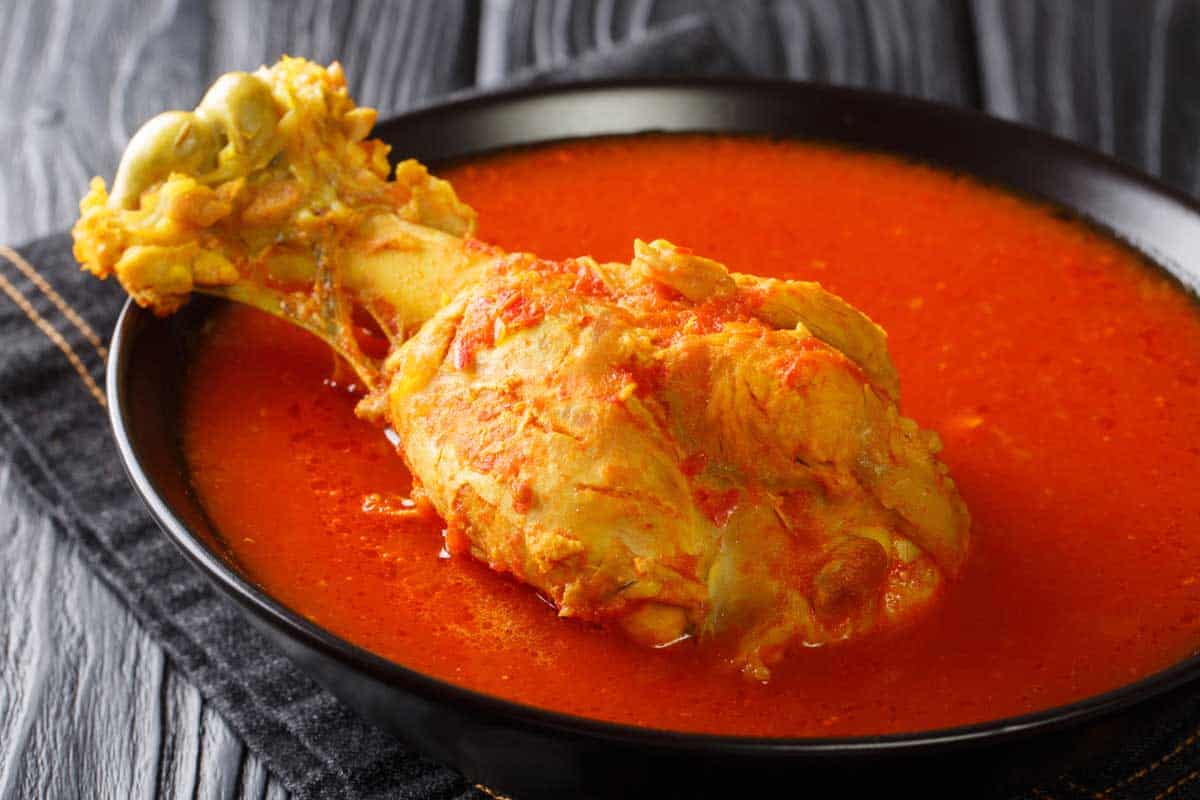
If there's one dish that truly encapsulates the vibrant culinary heritage of Guatemala, it's undoubtedly the beloved Kak'ik. This savory turkey stew, with its intoxicating blend of spices and tender, succulent meat, has long been a source of pride and joy for the Guatemalan people.
Tracing its roots back to the Mayan civilization, Kak'ik has evolved over centuries, becoming a beloved staple in households and restaurants across the country. But what is it about this dish that has captivated the hearts and palates of so many? Join us as we delve into the rich history, mouthwatering flavors, and irresistible allure of this Guatemalan culinary masterpiece.
The Origins of Kak'ik
Kak'ik's origins can be traced back to the ancient Mayan civilizations that once thrived in what is now modern-day Guatemala. The dish's name, derived from the Mayan word "kak" meaning "turkey," is a testament to the deep-rooted connection between the Mayans and the beloved bird that has become a central ingredient in their culinary traditions.
In the pre-Columbian era, the Mayans revered the turkey as a sacred animal, often incorporating it into religious rituals and ceremonies. It's no surprise, then, that the Mayans would have developed a rich and flavorful stew using this prized ingredient. Over time, as the Mayan culture evolved and interacted with other indigenous groups, the recipe for Kak'ik would have been refined and adapted, incorporating new spices and techniques.
The Flavors of Kak'ik
At the heart of Kak'ik lies a harmonious blend of spices and ingredients that create a truly unique and captivating flavor profile. The primary component, of course, is the turkey, which is slow-cooked until it becomes meltingly tender and infused with the aromatic seasonings.
The signature spice blend of Kak'ik includes a combination of cumin, black pepper, coriander, and allspice, which lend a warm, earthy, and slightly sweet note to the stew. Additionally, the dish is often seasoned with achiote, a vibrant red spice derived from the annatto seed, which imparts a subtle smoky flavor and a vibrant hue to the broth.
One of the most distinctive features of Kak'ik, however, is the use of chiles, particularly the fiery and flavorful chiltepe pepper. This small, round chile adds a delightful kick of heat to the stew, perfectly balancing the richness of the turkey and the warmth of the other spices.
Ingredients for the Perfect Kak'ik
To recreate the authentic Kak'ik at home, you'll need a carefully curated selection of ingredients that capture the essence of Guatemalan cuisine. Here's what you'll need:
- Chicken: Choose a whole chicken or a combination of drumsticks and thighs, preferably from a local or organic source.
- Tomatoes: Ripe, juicy tomatoes are essential for the stew's rich and tangy base.
- Chili peppers: A combination of mild and spicy chili peppers, such as guajillo, ancho, and chile piquin, lend the Kak'ik its signature heat and depth of flavor.
- Onions and garlic: These aromatic ingredients provide the foundation for the stew's savory notes.
- Spices: Cumin, oregano, and black pepper are the primary spices that impart the distinct Kak'ik flavor.
- Achiote paste: This vibrant red paste, made from annatto seeds, contributes to the stew's vibrant color and earthy undertones.
- Lime juice: The addition of fresh lime juice adds a refreshing acidity that balances the richness of the dish.
Preparing the Kak'ik
1. Start by preparing the chicken: Wash the chicken pieces and pat them dry. Season them generously with salt and pepper.
2. In a large pot or Dutch oven, sear the chicken pieces over medium-high heat until they develop a golden-brown crust on all sides. Remove the chicken from the pot and set it aside.
3. In the same pot, sauté the onions and garlic until they become fragrant and translucent.
4. Add the chopped tomatoes, chili peppers, cumin, oregano, and achiote paste. Stir the mixture until the spices are well-incorporated.
5. Carefully return the seared chicken pieces to the pot and pour in enough water or chicken broth to cover the ingredients.
6. Bring the stew to a boil, then reduce the heat to low, cover the pot, and let it simmer for about 45 minutes to an hour, or until the chicken is tender and the flavors have melded together.
7. Towards the end of the cooking time, stir in the fresh lime juice to balance the flavors.
8. Taste the Kak'ik and adjust the seasoning as needed, adding more salt, pepper, or lime juice to your preference.
Serving and Enjoying Kak'ik
Kak'ik is traditionally served with a side of steamed white rice, which helps to soak up the rich, flavorful broth. Additionally, you can garnish the dish with fresh cilantro, sliced avocado, and a sprinkle of toasted pumpkin seeds (pepitas) for a truly authentic Guatemalan experience.
Conclusion
Kak'ik is more than just a dish; it is a testament to the rich culinary heritage of Guatemala, a celebration of the country's indigenous roots, and a testament to the ingenuity and creativity of its people. Whether you're a seasoned Guatemalan cuisine enthusiast or a curious foodie, the secrets of Kak'ik are sure to captivate your senses and leave a lasting impression on your palate.
So, the next time you find yourself craving a taste of Guatemalan culture, be sure to seek out this mouthwatering stew and indulge in the flavors that have been passed down through generations. Who knows, you might just discover a new culinary love affair that will have you longing for a return to the lush highlands of Guatemala.