Notorious Colombian Drug Lord Fabio Ochoa Released After 25 Years in U.S. Prison
-
 Loading...
 - Maire Dunne
- 12 Dec 2024
- 45 Views
- 0 Like
- 0 Comment
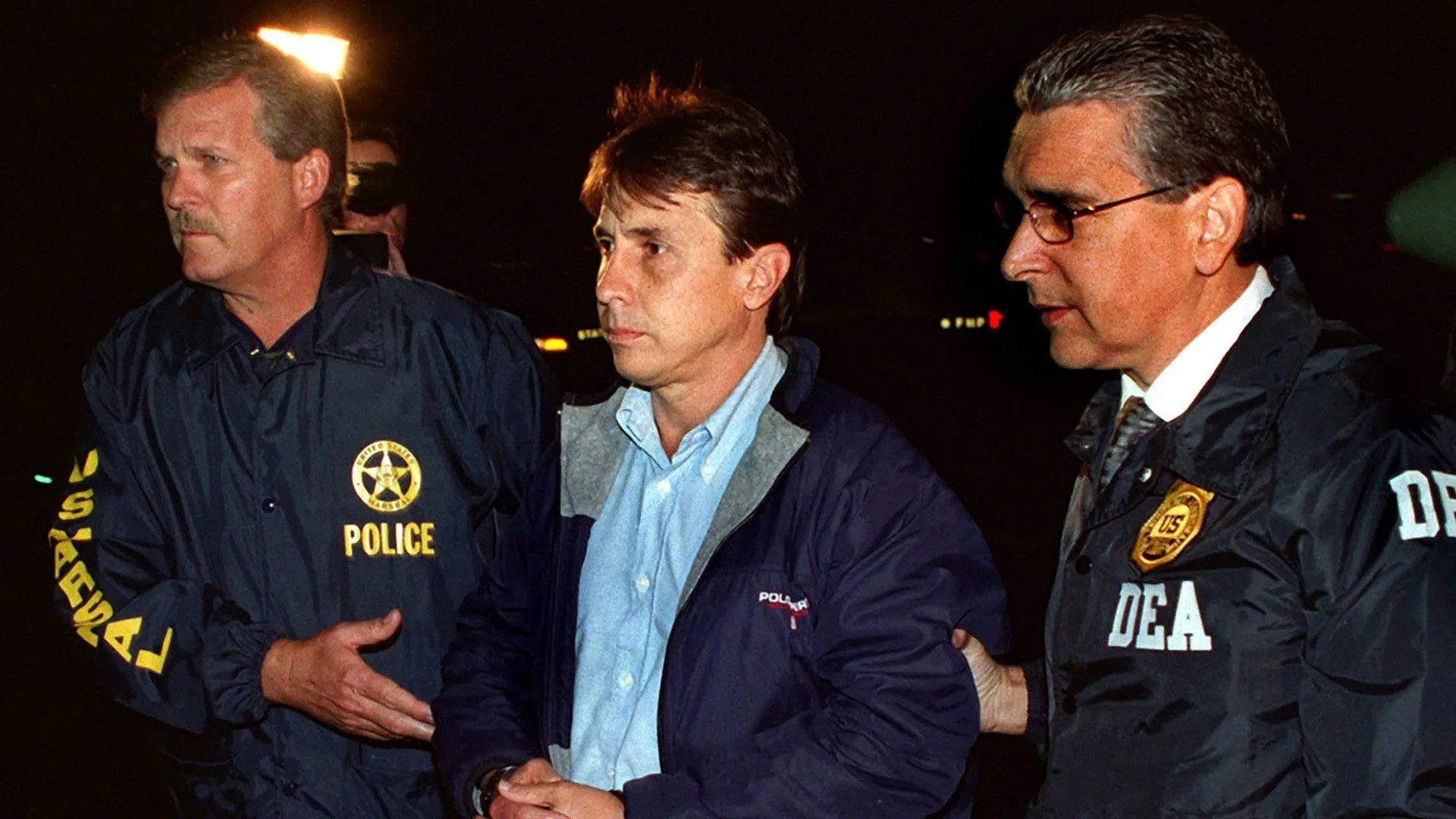
Fabio Ochoa Vásquez, a notorious Colombian drug lord and former key figure in the Medellín cocaine cartel, has been released from U.S. federal prison after serving 25 years of a 30-year sentence. Ochoa, 67, was freed on Tuesday and is expected to be deported back to Colombia.
Ochoa's rise to infamy began in the 1980s, when he and his brothers built an immense fortune by flooding the U.S. market with cocaine. By 1987, they were listed among Forbes' billionaires, with Ochoa operating a major distribution hub for the Medellín cartel in Miami. The cartel, once led by the infamous Pablo Escobar, was a powerful force in the global drug trade.
Although Ochoa's influence waned as the drug trade shifted to Mexico, his story was revived through the Netflix series Narcos, which portrayed him as part of a wealthy Medellín family with a background in ranching and horse breeding. This portrayal starkly contrasted with Escobar's humble origins and helped bring Ochoa's story back into the public eye.
Ochoa's U.S. legal troubles began when he was charged in connection with the 1986 murder of Drug Enforcement Administration (DEA) informant Barry Seal, a story famously depicted in the 2017 film American Made starring Tom Cruise. Ochoa was initially apprehended in Colombia in 1990, as part of a government initiative that promised drug lords they wouldn't be extradited to the U.S. However, his criminal activities eventually led to his extradition.
In 2001, Ochoa was arrested again and extradited to the U.S. following an indictment in Miami that accused him and over 40 others of operating a major drug smuggling operation. He was convicted in 2003, receiving a 30-year prison sentence, while others received shorter terms for cooperating with authorities. Despite his incarceration, law enforcement never recovered all of the vast profits generated by the Ochoa family's drug empire.
Retired Assistant U.S. Attorney Richard Gregorie, who was involved in Ochoa's prosecution, noted that Ochoa's release would likely be met with a warm welcome in Colombia, as the country's evolving criminal landscape continues to focus more on Mexican cartels. "He won't be retiring a poor man, that's for sure," Gregorie said.
Ochoa's release marks the end of a significant chapter in the history of the Medellín cartel, which once dominated the global cocaine trade. While Ochoa's influence may have waned, his legacy as a major figure in the drug trade remains significant. As he returns to Colombia, it remains to be seen how he will be received by the public and the authorities.
The Ochoa family's story is a complex one, marked by both wealth and violence. Their rise to power was fueled by the cocaine trade, which brought them immense wealth and notoriety. However, their involvement in the trade also led to their downfall, as they became embroiled in a world of violence and corruption.
As Ochoa begins a new chapter in his life, it is clear that his legacy will continue to be felt in Colombia and beyond. His story serves as a reminder of the dangers of the drug trade and the importance of holding those involved accountable for their actions.