Kristersson’s Statement Draws Criticism from the Constitution Committee
-
 Loading...
 - ethan riley
- 02 Jun 2023
- 73 Views
- 0 Like
- 0 Comment
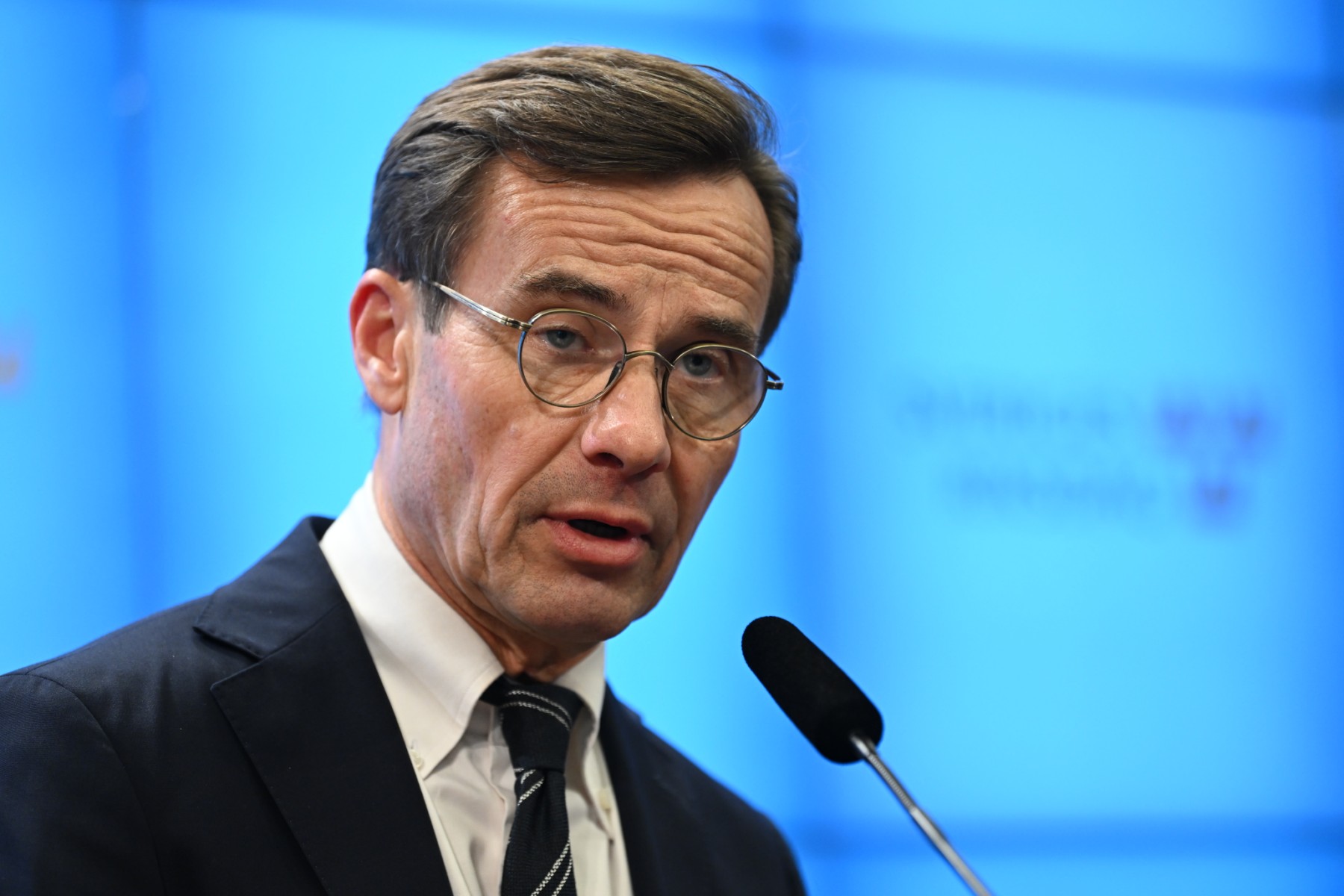
Prime Minister Ulf Kristersson (M) is facing backlash from the Constitution Committee (KU) following his assertion that Sweden achieved near-complete independence from fossil fuels as an industrial nation in the 1970s. Ida Karkiainen (S), the chairperson of the committee, emphasizes the importance of accuracy in government statements.
The Constitutional Committee of the Riksdag has released its annual evaluation of both the current and previous governments. A unanimous KU has identified deficiencies in five out of the 26 reports reviewed.
Kristersson's claim that Sweden became "one of the world's first, almost completely fossil-free industrial nations" in the 1970s, as stated in the government declaration last autumn, has drawn sharp criticism. The Prime Minister, in an interview with DN, stood by his statement but clarified that he was referring to Sweden's "almost completely fossil-free electricity production."
The committee suggests that the risk of misrepresentation could have been avoided. Erik Ottosson (M), a KU member, remarks during a press conference that although KU refrains from commenting on ambiguities as a practice, they found it necessary to highlight this shortcoming due to it being part of the government's declaration.
KU also criticizes the expedited handling of the bill regarding confidentiality for household electricity subsidies, which was overseen by Minister of Business Ebba Busch (KD). The committee deems the referral period excessively short considering the complexity of the matter. Ida Karkiainen emphasizes that this case involves significant financial implications, and transparency is crucial.
"It is essential to track where the funds are allocated and the extent of the support provided. In such matters, it is even more critical to ensure a thorough examination and allow sufficient time for input from various referral bodies," she explains to DN.
The committee does not express a specific stance on the ideal duration of the referral period. However, they note that the standard period is three months, while in this particular case, it was reduced to a mere four days for one memorandum.
Additionally, Ulf Kristersson faced a report to KU after it was revealed that he appointed his childhood friend, Henrik Landerholm, as the national security adviser without an advertised process. While KU does not identify any formal wrongdoing, they suggest that Kristersson could have abstained from participating in the decision-making process.