Deputies rejected voting on the proposal for decorations for former Security collaborators.
-
 Loading...
 - Valasquez Esteban
- 02 Jun 2023
- 66 Views
- 0 Like
- 0 Comment
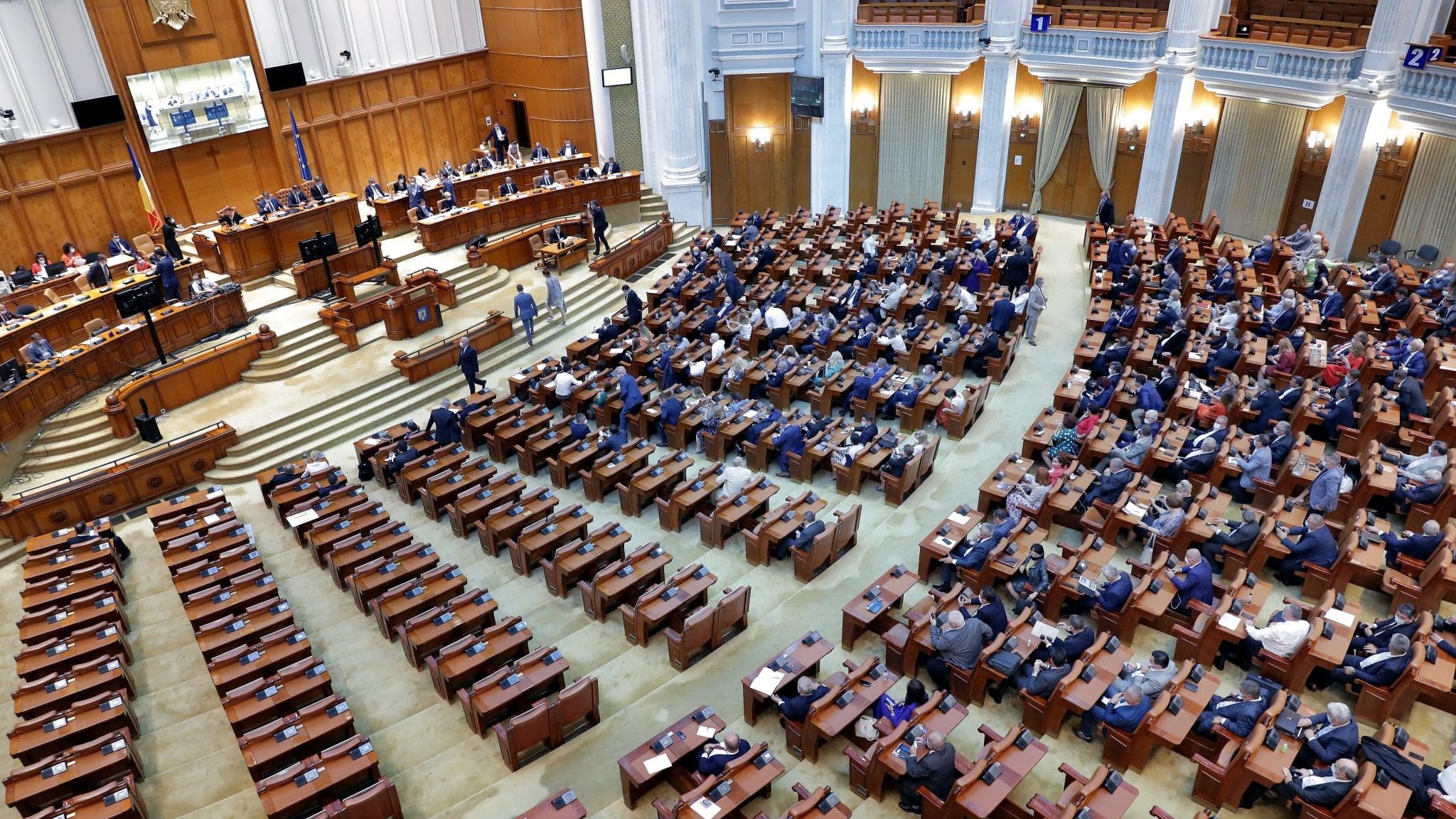
The legislative proposal presented by the USR party for the modification and enhancement of Romania's national decoration system and the Government's Emergency Ordinance was withdrawn from the agenda of Wednesday's plenary session by the deputies. Prior to the vote, there were intense debates surrounding this proposal, as reported by Agerpres.
The decision to withdraw the project from the agenda was made following a proposal by Alfred Simonis, the leader of the social-democratic group. Simonis argued that a negative vote "would send an extremely negative signal to the Romanian Parliament and the entire society."
The project aims to introduce changes to Law no. 29/2000, which include prohibiting the granting of decorations to individuals who have been definitively convicted and sentenced to imprisonment by a court. It also prohibits the decoration of individuals who have worked or collaborated with security bodies as political police. The proposal also establishes measures to verify the affiliation of order members with security bodies, and clarifies the process through which individuals who have been definitively convicted and sentenced to imprisonment can lose their membership in an order.
Additionally, the project suggests revoking the membership of individuals who have worked or collaborated with security bodies as political police. It limits the tenure of the chancellor who leads the Chancellery of Orders to a maximum cumulative period of 10 years. Furthermore, it sets a timeframe for filling vacant positions within the honor council. As for the provisions of Emergency Ordinance no. 24/2008, the initiators of the proposal aimed to include individuals decorated by the President of Romania in the public list of the National Council for the Study of Security Archives, which determines the involvement of individuals with security bodies.
Nicu Fălcoi, a deputy from USR, emphasized that the initiators of the draft law are representatives of civil society.