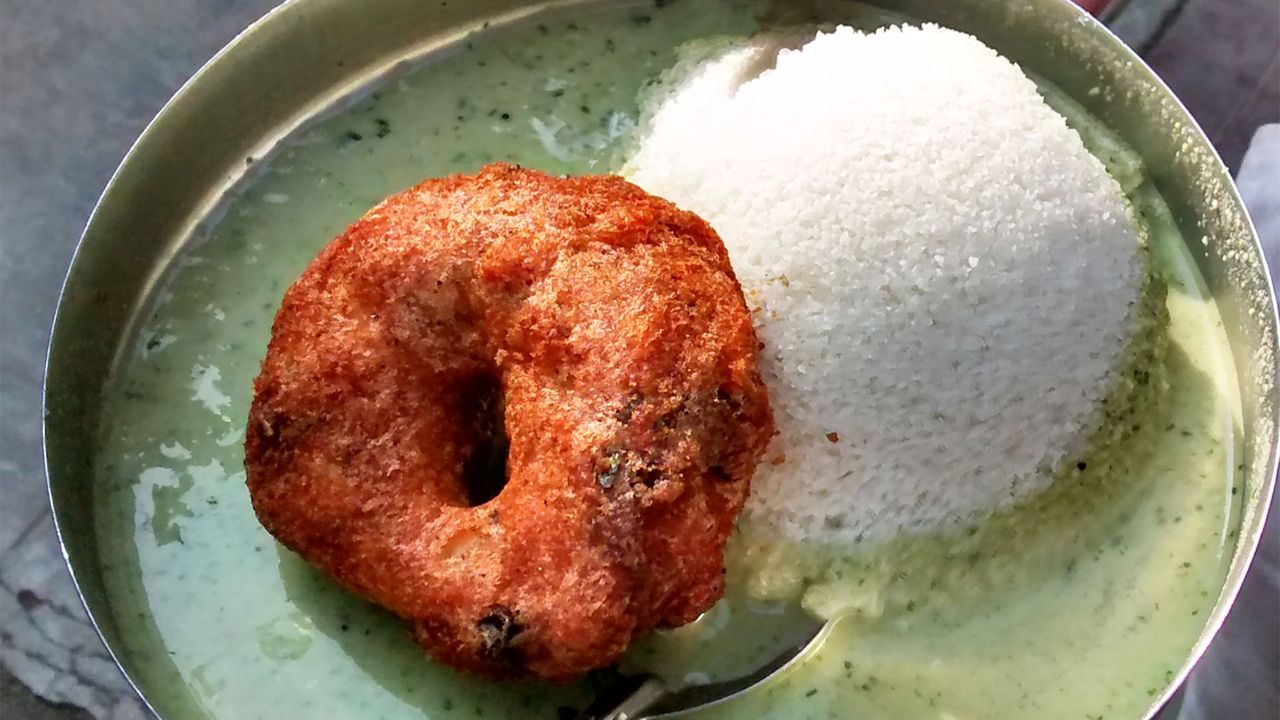
Idli: Steamed rice cakes with lentils
-
 Loading...
 - Abhay Shah
- 03 Apr 2023
- 54 Views
- 0 Like
- 0 Comment
One of South India's most famous dishes, made with just rice and fermented lentils, has evolved and transformed, but remains as popular as ever.
One morning in early February, The New York Times' wildly popular crossword puzzle had this clue: "Along with lentils, one of the two main ingredients in idli". For Indians and those familiar with Indian cuisine, it was a no-brainer. The answer, of course, was "rice".
Idli, a palm-sized steamed rice cake with fermented urad dal (de-husked split black lentil), is ubiquitous in India, especially in the south. By itself, idli tastes bland, but it can be paired with almost anything, from pickles to relishes and even ketchup, though is usually accompanied by coconut chutney and sambar (a spicy lentil and vegetable gravy).
It's one of the simplest and unfussiest Indian breakfasts but can be eaten at any time of day or night. To see it turn up as a crossword clue halfway across the world was indeed acknowledgement of its pervasiveness.
Like many South Indians, nutritionist and wellness consultant Sheela Krishnaswamy ate idli growing up and considers it to be an easy, healthy meal. "It's a combination of rice and dal, which not only gives energy but also provides good quality protein," she said. "When accompanied by vegetable sambar or green chutney, it can be a good meal, not just for breakfast. It also makes for an easy packed lunch."

For this recipe, you'll will need an idli steamer (a large, lidded stainless-steel vessel with round depressions or moulds into which the batter is poured) or a basic pressure cooker without the pressure regulator inserted.
Method
Step 1
Wash the urad dal thoroughly till the water runs clear. Soak in 2 cups of water for 2-3 hours, until the dal can easily be crushed between your thumb and finger.
Step 2
Drain the soaked dal, transfer to a blender or food processor and grind with 2-3 tbsp of water to make a smooth paste. If it sticks, add a little more water, spoon by spoon. Transfer to a large bowl, cover, and leave in a warm place to ferment for at least 8 hours or overnight so that the paste doubles in volume. Read More…