How to Get Thick Legs: Top 5 Exercises to Try
-
 Loading...
 - Dalila Kettani
- 26 May 2023
- 107 Views
- 0 Like
- 0 Comment
Are you looking to develop strong and shapely legs? If you desire thick, muscular legs that make a statement, incorporating the right exercises into your fitness routine is crucial. In this article, we'll explore the top 5 exercises to help you achieve the legs you've always wanted. Whether you're a seasoned fitness enthusiast or just starting your fitness journey, these exercises can be tailored to your fitness level and goals.
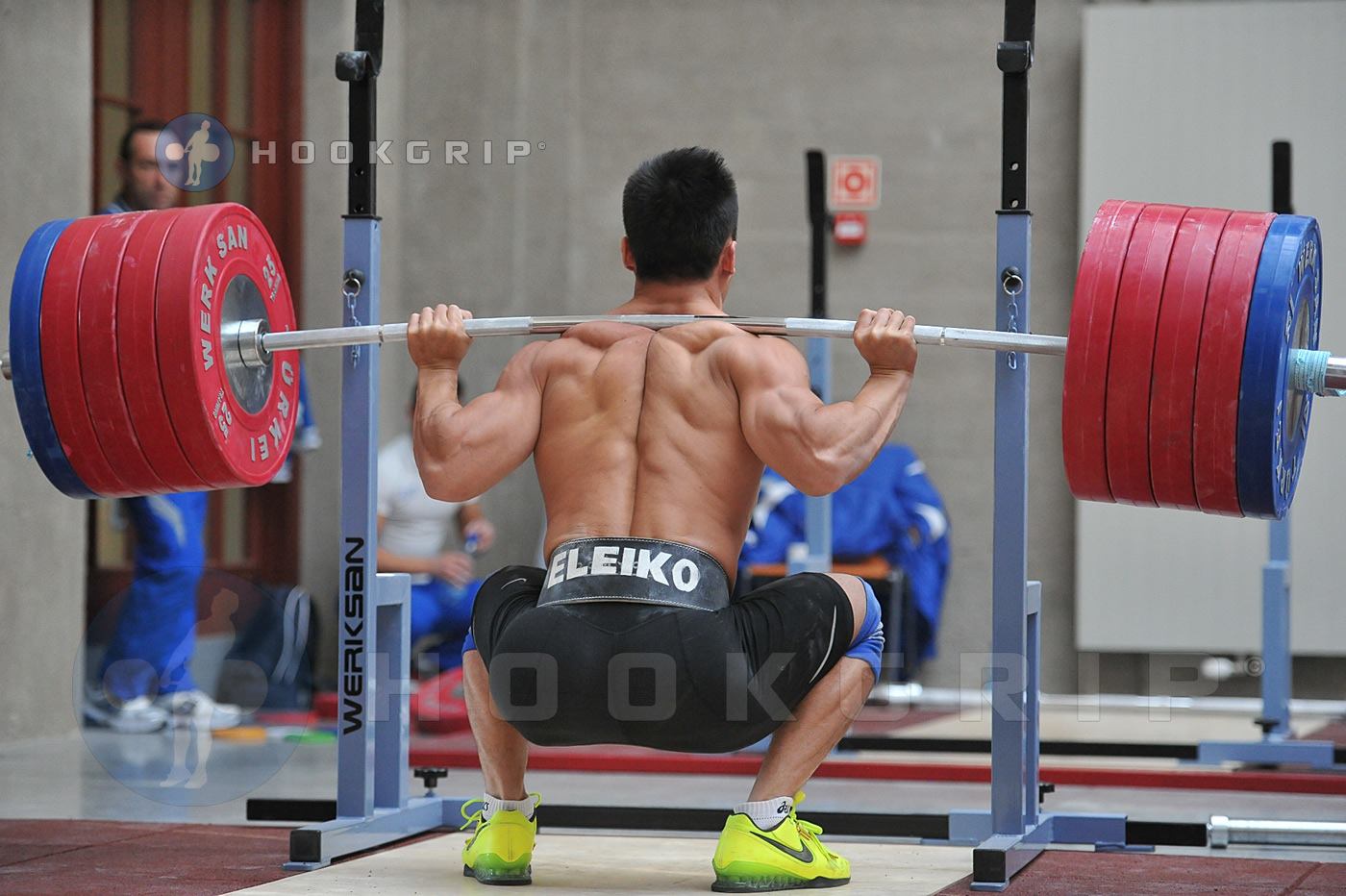
1. Squats: The King of Leg Exercises
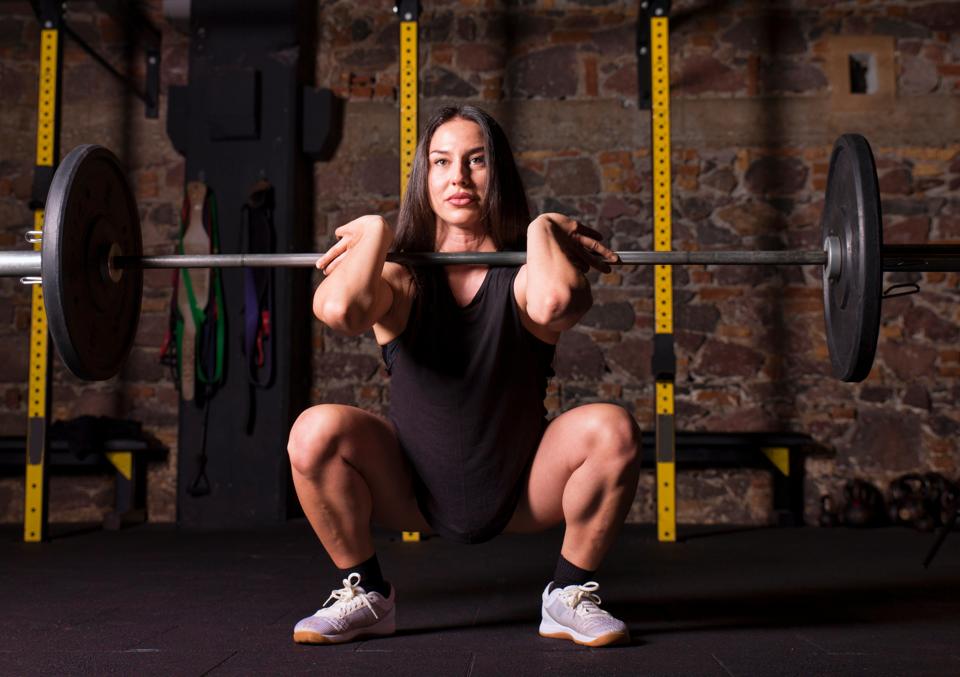
When it comes to building thick legs, squats are an absolute must. They target multiple muscle groups simultaneously, including your quadriceps, hamstrings, glutes, and calves. Here's how to perform squats correctly:
- Stand with your feet shoulder-width apart.
- Engage your core and keep your back straight.
- Bend your knees and lower your body as if sitting back into a chair.
- Go as low as you can while maintaining good form, ideally until your thighs are parallel to the ground.
- Push through your heels and return to the starting position.
Squats can be modified to suit your fitness level. If you're a beginner, start with bodyweight squats and gradually progress to using a barbell or dumbbells for added resistance.
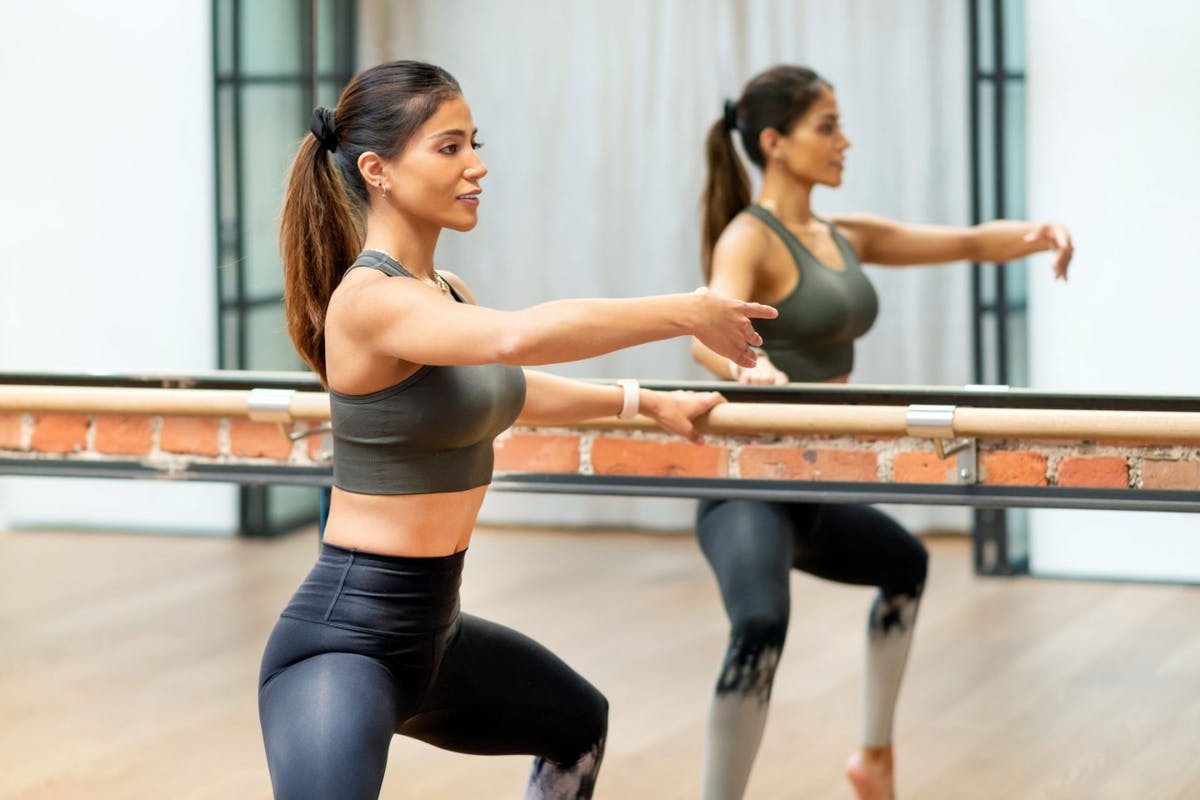
2. Lunges: Targeting Multiple Leg Muscles

Lunges are another fantastic exercise for thick legs as they engage various leg muscles individually. They primarily target the quadriceps, hamstrings, and glutes. To perform a lunge:
- Start by standing with your feet hip-width apart.
- Take a step forward with your right foot, lowering your body until your right knee forms a 90-degree angle.
- Push through your right heel to return to the starting position.
- Repeat with the left leg.
You can perform lunges walking forward or in a stationary position. If you want to increase the intensity, hold dumbbells in your hands while performing the exercise.
3. Deadlifts: Building Strength and Size
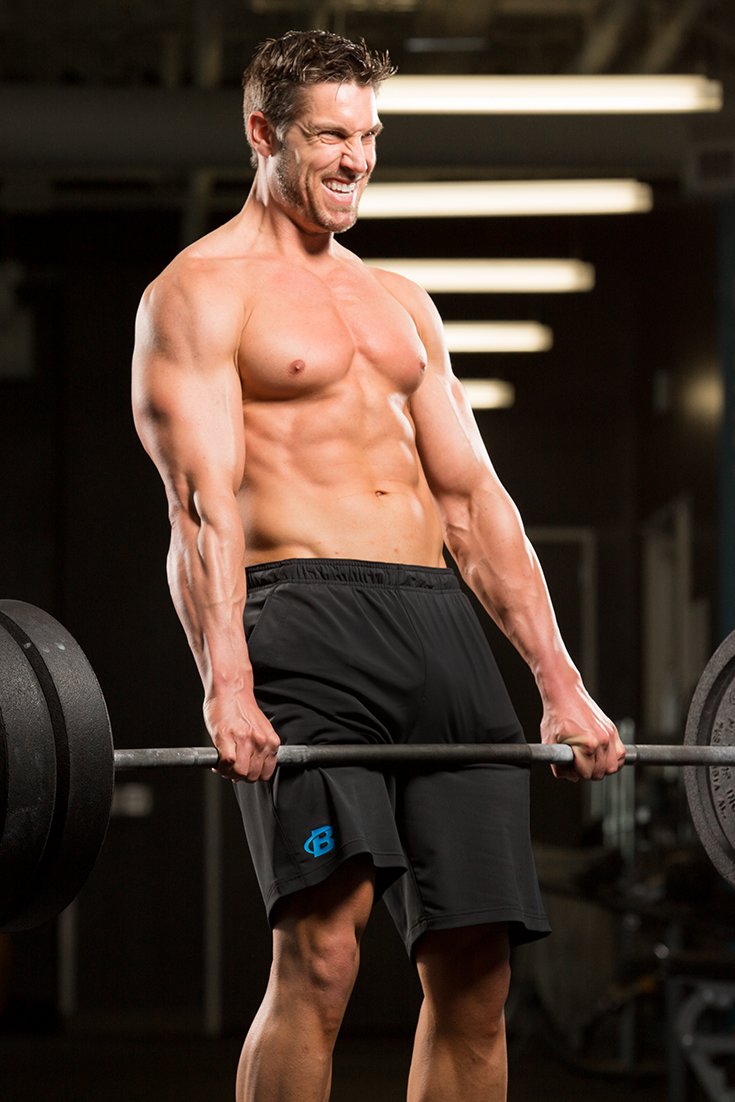
Deadlifts are a compound exercise that targets the hamstrings, glutes, and lower back while also engaging your core and grip strength. To perform a deadlift:
- Stand with your feet hip-width apart, toes under the barbell.
- Bend your knees and lower your torso, gripping the barbell with an overhand or mixed grip.
- Keep your back straight, chest up, and shoulders back.
- Drive through your heels, extending your hips and knees to lift the barbell.
- Lower the barbell back down with control.
Deadlifts can be challenging, so it's important to maintain proper form throughout the exercise. Start with lighter weights and gradually increase the load as you gain strength and confidence.
4. Calf Raises: Sculpting Strong Calves
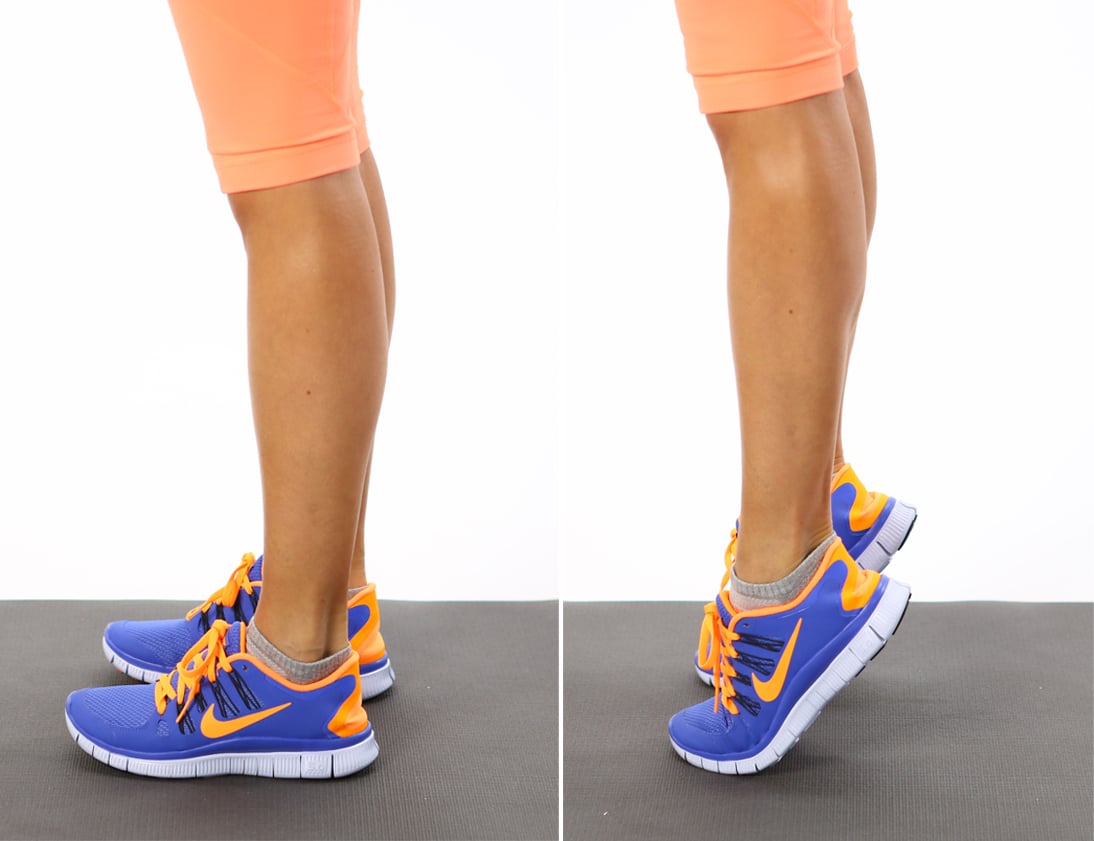
To achieve well-rounded, thick legs, don't forget to pay attention to your calf muscles. Calf raises are an effective exercise for developing strong and defined calf muscles. Here's how to perform calf raises:
- Stand on a step or platform, with the balls of your feet on the edge and your heels hanging off.
- Hold onto a wall or railing for support if needed.
- Slowly raise your heels as high as possible, contracting your calf muscles.
- Pause at the top for a moment, then lower your heels back down.
For added resistance, you can hold dumbbells or use a calf raise machine at the gym. Aim for higher repetitions to really target and fatigue the calf muscles.
5. Step-Ups: Functional Leg Strength
Step-ups are a functional exercise that mimics movements used in daily activities like climbing stairs or stepping onto curbs. They primarily target the quadriceps and glutes. Here's how to perform step-ups:
- Stand facing a step or platform.
- Place one foot on the step, ensuring your entire foot is in contact with the surface.
- Push through the heel of the foot on the step and lift your body up, bringing your opposite knee up towards your chest.
- Lower yourself back down and repeat on the other side.
- Step-ups can be modified by adjusting the height of the step or by holding dumbbells for added resistance.
Frequently Asked Questions
Q: Can I get thick legs without lifting heavy weights?
A: Yes, it's possible to build thick legs without lifting heavy weights. Bodyweight exercises like squats, lunges, and calf raises can still be effective in building muscle. However, progressively challenging your muscles with heavier weights will generally yield faster results.
Q: How often should I perform these exercises?
A: It's recommended to perform these exercises 2-3 times per week, allowing for at least one day of rest between sessions. This will give your muscles time to recover and grow stronger.
Q: Will these exercises make my legs bulky?
A: The degree of muscle growth and "bulkiness" varies from person to person. If you're concerned about developing overly bulky legs, you can adjust the intensity and volume of your workouts to suit your desired aesthetic.
Q: Can I do these exercises at home?
A: Yes, all of the exercises mentioned can be done at home with little to no equipment. For example, squats and lunges can be performed using your body weight, and you can use household objects as weights for added resistance.
Q: Are these exercises suitable for beginners?
A: Yes, these exercises can be adapted to suit beginners. Start with lighter weights or bodyweight variations and gradually increase the intensity and resistance as your strength improves.
Q: How long does it take to see results?
A: The time it takes to see noticeable results will vary depending on various factors such as genetics, diet, and consistency of training. With regular exercise and a balanced diet, you can typically start seeing improvements in leg strength and muscle tone within a few weeks to a couple of months.
Building thick legs requires a combination of targeted exercises, consistency, and progressive overload. By incorporating squats, lunges, deadlifts, calf raises, and step-ups into your fitness routine, you can effectively develop stronger and more muscular legs. Remember to start with proper form and gradually increase the intensity and resistance over time. Stay consistent, be patient, and enjoy the journey as you work towards achieving your leg goals.