
10 Oral Health Tips
-
 Loading...
 - Helena Foster
- 26 May 2023
- 110 Views
- 0 Like
- 0 Comment
Discover the top 10 oral health tips to maintain a bright and healthy smile. From brushing techniques to dietary recommendations, this article covers everything you need to know. Implement these tips in your daily routine to ensure optimal oral hygiene. Read on for expert advice!
A beautiful smile can light up a room and boost your confidence. To maintain a healthy and vibrant smile, it's crucial to prioritize oral hygiene. In this article, we will explore the top 10 oral health tips recommended by dental experts. From brushing techniques to dietary choices, these tips will help you achieve optimal oral hygiene and keep your pearly whites in excellent condition.
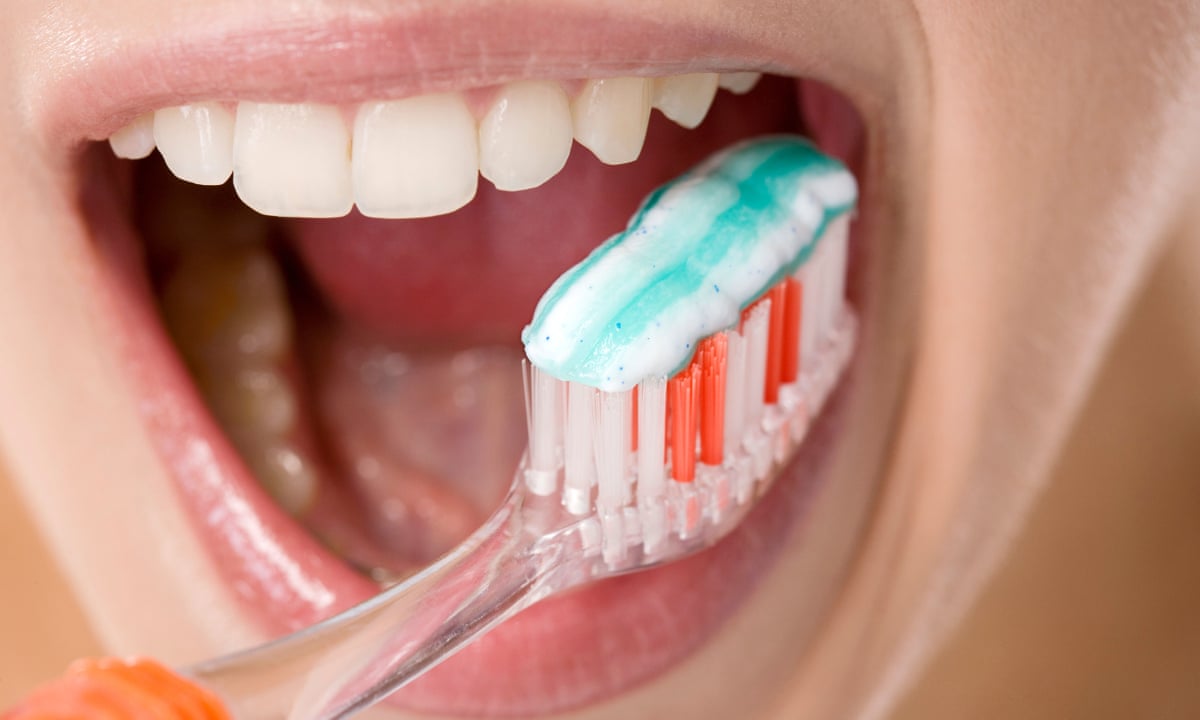
1. Brush Regularly for Two Minutes
Maintaining a consistent brushing routine is vital for good oral health. Dentists recommend brushing your teeth at least twice a day, preferably after meals. Use a soft-bristled toothbrush and fluoride toothpaste. Spend a minimum of two minutes brushing your teeth in gentle, circular motions, ensuring you clean all tooth surfaces, including the gumline.
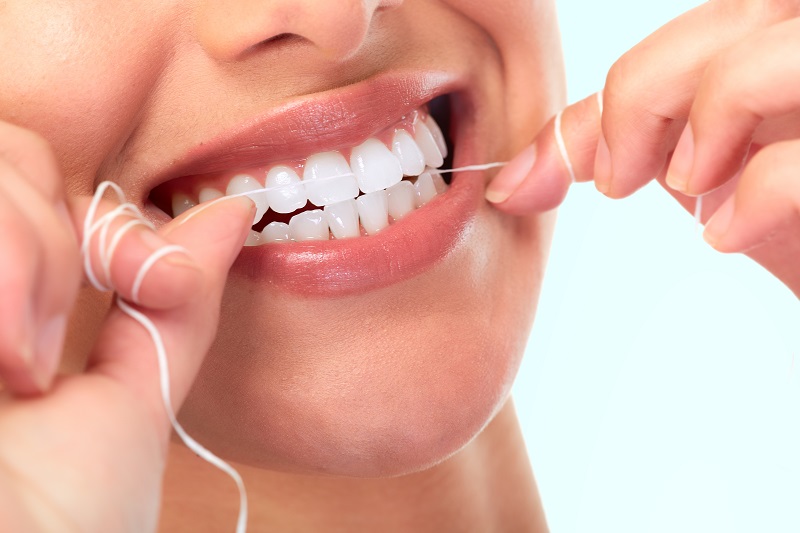
2. Floss Daily to Remove Plaque
While brushing cleans the visible surfaces of your teeth, flossing is essential to remove plaque and food particles from between your teeth and along the gumline. Incorporate daily flossing into your oral care routine to prevent cavities and gum disease.
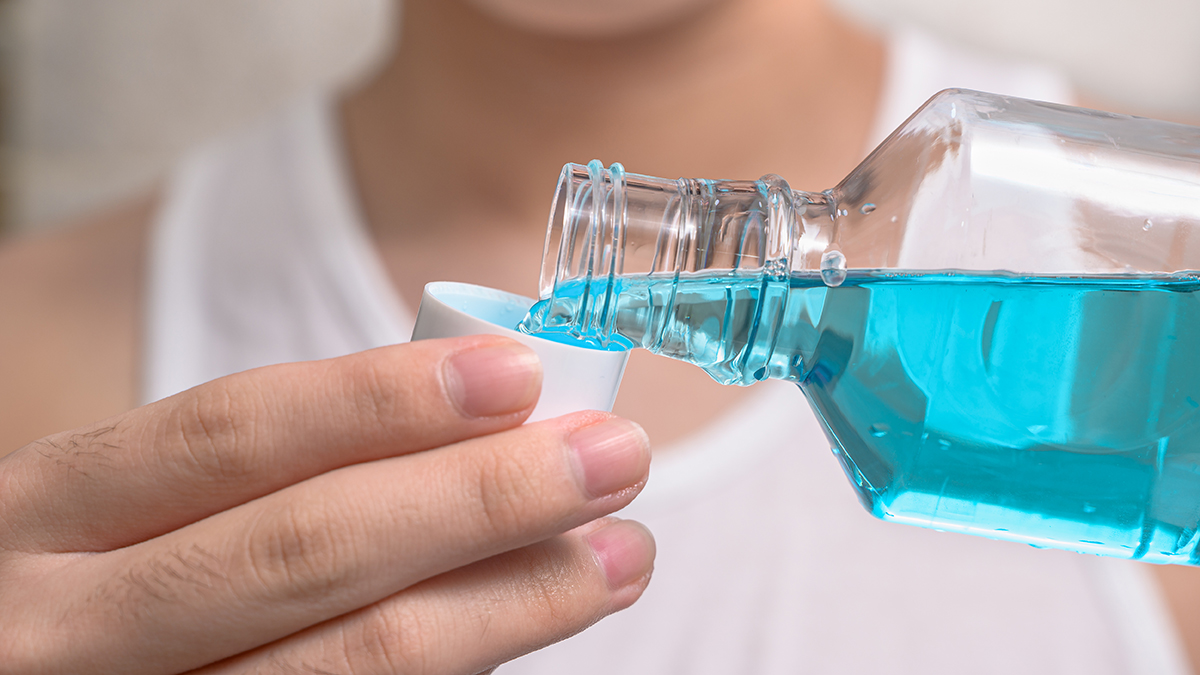
3. Use Mouthwash for Extra Protection
Adding mouthwash to your oral care routine can provide additional protection against bacteria and bad breath. Rinse your mouth with an antimicrobial mouthwash after brushing and flossing to reach areas that may have been missed.

4. Maintain a Healthy Diet
A nutritious diet not only benefits your overall health but also contributes to your oral well-being. Limit sugary and acidic foods and drinks, as they can erode tooth enamel and lead to cavities. Opt for a balanced diet rich in fruits, vegetables, lean proteins, and calcium-rich foods to promote strong teeth and gums.
5. Limit Snacking and Sugary Drinks
Frequent snacking and consuming sugary beverages can create an environment in your mouth that promotes tooth decay. Minimize snacking between meals and opt for water or unsweetened drinks instead of sugary alternatives.
6. Avoid Tobacco Products
Using tobacco products, such as cigarettes and chewing tobacco, can have severe negative effects on your oral health. These habits increase the risk of gum disease, tooth loss, and oral cancer. Quitting tobacco is not only beneficial for your overall health but also for your oral hygiene.

7. Drink Plenty of Water
Water is not only essential for your overall well-being but also for your oral health. Drinking water throughout the day helps rinse away food particles and stimulates saliva production, which aids in neutralizing acids and preventing tooth decay.
8. Replace Your Toothbrush Regularly
Toothbrushes wear out over time and become less effective at cleaning your teeth. Dentists recommend replacing your toothbrush every three to four months or sooner if the bristles become frayed. A fresh toothbrush ensures proper cleaning and prevents bacterial buildup.
9. Protect Your Teeth During Sports
If you participate in contact sports or activities that pose a risk of dental injury, it's crucial to wear a mouthguard. Mouthguards help prevent tooth fractures, jaw injuries, and soft tissue damage, providing vital protection for your oral health.

10. Visit Your Dentist Regularly
Regular dental check-ups and professional cleanings are essential for maintaining optimal oral health. Dentists can detect early signs of dental issues, provide preventive treatments, and offer personalized advice for your oral care routine. Aim to visit your dentist every six months or as recommended by your oral healthcare professional.
Frequently Asked Questions (FAQs)
1. How often should I brush my teeth?
Dentists recommend brushing your teeth at least twice a day, ideally after meals.
2. Is flossing necessary if I brush regularly?
Yes, flossing is necessary to remove plaque and food particles from between your teeth and along the gumline.
3. Can mouthwash replace brushing and flossing?
No, mouthwash cannot replace brushing and flossing. It should be used as an additional step in your oral care routine.
4. What foods should I avoid for good oral health?
To maintain good oral health, limit your intake of sugary and acidic foods and drinks.
5. How often should I replace my toothbrush?
It's recommended to replace your toothbrush every three to four months or sooner if the bristles become frayed.
6. How frequently should I visit the dentist?
Regular dental check-ups every six months are recommended, or as advised by your oral healthcare professional.
In conclusion, achieving and maintaining excellent oral health is within your reach by following these 10 oral health tips. From establishing a consistent brushing routine to making smart dietary choices, these simple steps can make a significant difference in the long-term health of your teeth and gums. Remember to visit your dentist regularly for professional guidance and personalized care. Start implementing these tips today and enjoy a bright and healthy smile for years to come.


