Czechia Seeks to Delay ETS 2 Implementation Until 2028
-
 Loading...
 - Nicole Gabe
- 17 Dec 2024
- 52 Views
- 0 Like
- 0 Comment
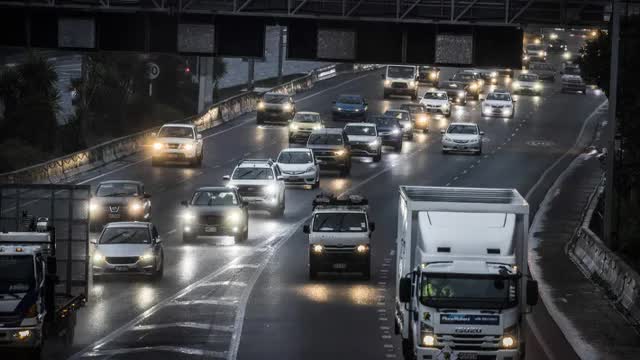
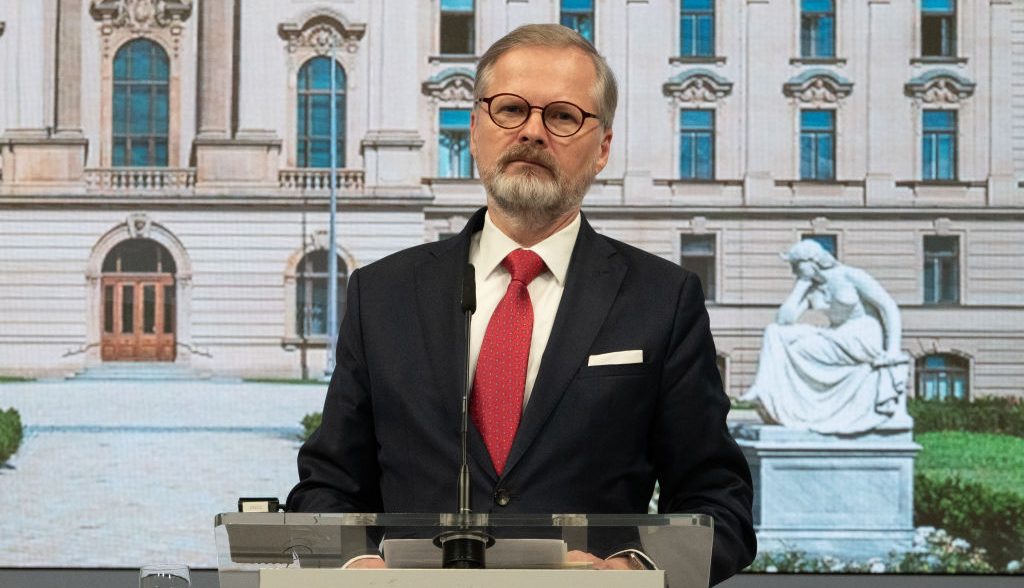
Czech Prime Minister Petr Fiala announced on Monday that the country will push for a delay in the European Union's new carbon pricing scheme for road and heating fuels, known as ETS 2, until at least 2028. The current plan is set to expand carbon trading to include road transport and building heating, with an implementation date of 2027. However, the Czech government aims to use the additional time to refine the system and mitigate the impact of rising energy costs on the economy.
Fiala emphasized the need to revise environmental targets to prevent negative repercussions on the overall economy. "We need to revise the environmental targets so that they do not have a negative impact on the whole economy," he stated, as reported by the Czech News Agency. The government believes that a delay will allow for the introduction of stronger protections against escalating energy prices, which could otherwise burden households and businesses.
One of the key proposals from Czechia involves modifying the upcoming emissions trading system to ensure it effectively addresses the challenges posed by rising energy costs. Fiala expressed confidence in persuading EU counterparts to support the proposal for postponing the ETS 2 system's entry into force until 2028.
Fiala warned that without a delay, there is a significant risk of increased costs for households, industries, and businesses. "We certainly don't want that to happen," he added, highlighting the importance of postponing the implementation by at least one year. He also mentioned the possibility of a longer delay, contingent on achieving competitive energy prices in Europe, while acknowledging the need for a realistic approach to negotiations.
In addition to seeking a delay, Czechia has also rejected the European Commission's new proposal to cut emissions by 2040, indicating a broader concern about the economic implications of stringent environmental regulations.
Czechia's push to delay the implementation of the ETS 2 carbon pricing scheme reflects a careful consideration of the potential economic impacts of such policies. By advocating for a postponement until at least 2028, the Czech government aims to ensure that environmental targets align with economic stability, particularly in light of rising energy costs. As discussions continue within the EU, the outcome will be crucial for balancing environmental goals with economic realities.