Creative Product Photography Tips
-
 Loading...
 - Anneliese Volker
- 15 Jul 2024
- 50 Views
- 0 Like
- 0 Comment
In the digital age, product photography has become an essential component of any successful e-commerce or marketing strategy. With the rise of online shopping and social media, consumers are bombarded with a vast array of visual content, making it crucial for businesses to stand out with captivating product imagery. Whether you're showcasing your latest fashion collection, highlighting the features of a high-tech gadget, or presenting your handcrafted artisanal goods, the way you photograph your products can make all the difference in capturing the attention of your target audience.
In this article, we'll delve into a collection of creative product photography tips that will help you take your visuals to the next level. From mastering lighting techniques to experimenting with unique perspectives, we'll equip you with the tools and strategies to elevate your product photography game and leave a lasting impression on your customers.
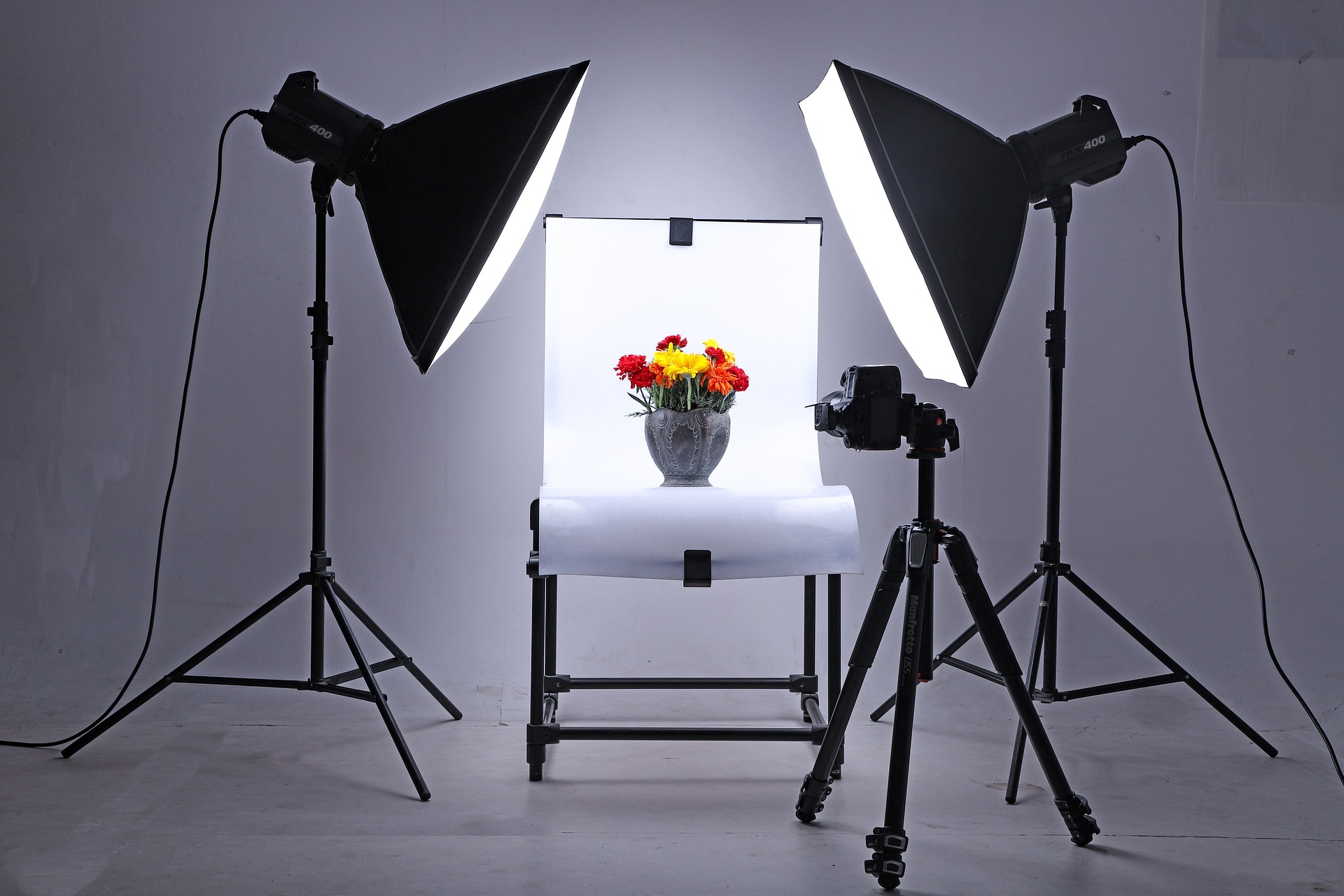
Lighting is Key
When it comes to product photography, lighting is undoubtedly one of the most crucial elements. Proper lighting can make or break your shots, transforming even the most ordinary item into a work of art. Experiment with different lighting setups to find the one that best complements your product and the overall aesthetic you're aiming for.
Products can be particularly challenging to photograph, as they often have intricate details and reflective surfaces that require careful lighting management. Consider using a combination of natural light, studio lighting, and reflectors to create a balanced and visually appealing look. Don't be afraid to play with the intensity, direction, and color temperature of your light sources to achieve the desired effect.
Harness the Power of Natural Light
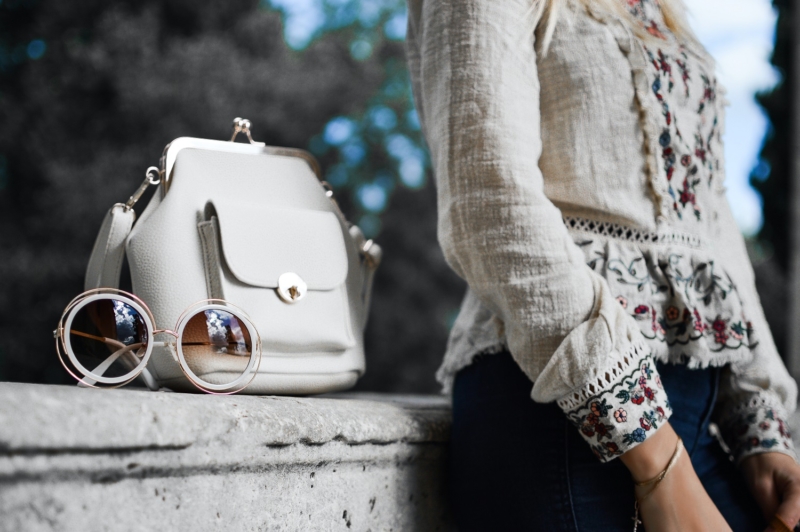
Natural light can be a powerful ally in product photography, offering a soft, diffused glow that can lend a sense of warmth and authenticity to your images. Position your product near a large window or in an area with ample natural light, and experiment with the time of day to capture the most flattering illumination. Be mindful of any harsh shadows or hot spots, and use reflectors or diffusers to soften the light as needed.
Embrace the Studio Lighting Approach
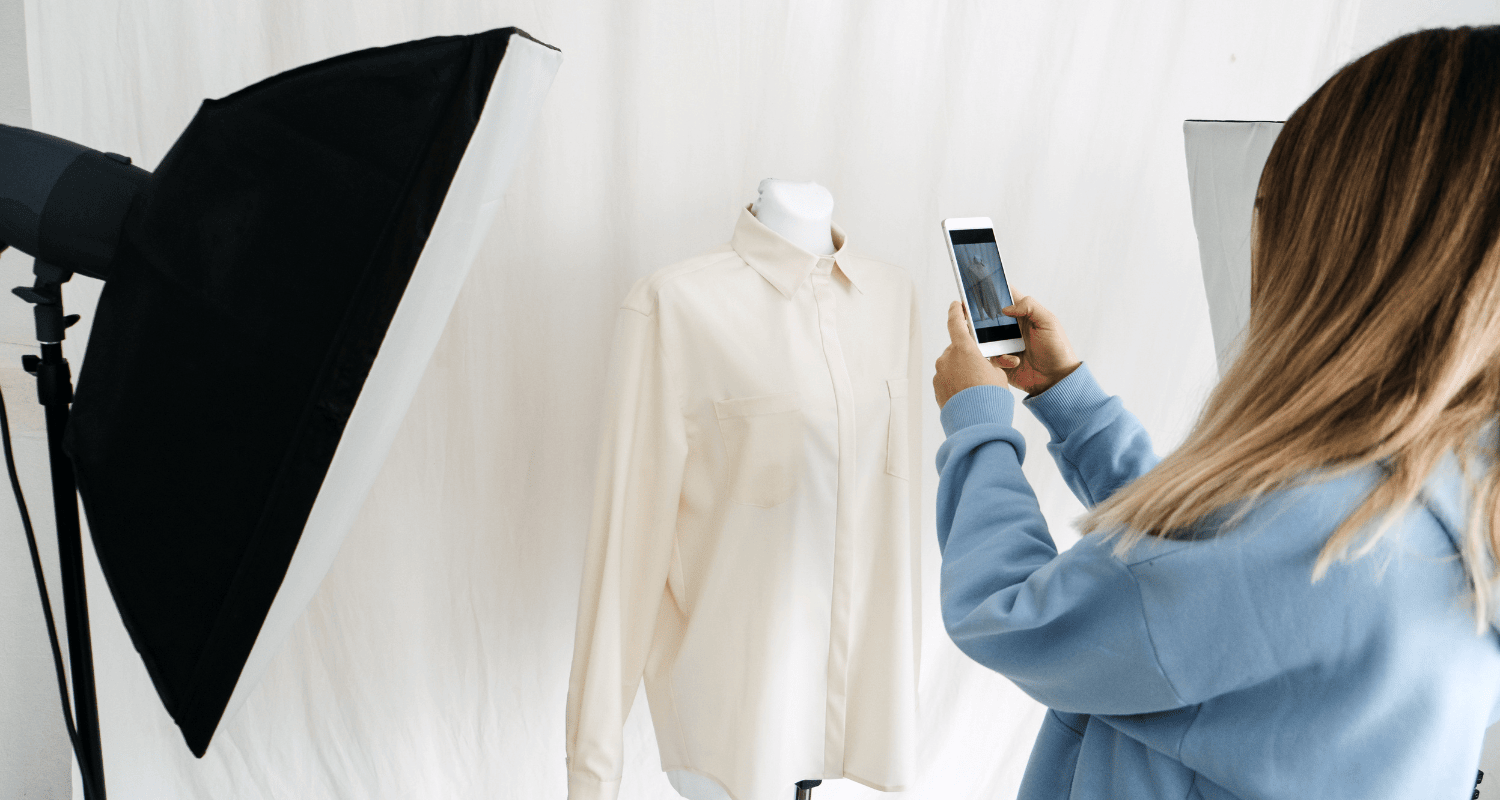
For more controlled and consistent lighting, consider setting up a dedicated product photography studio. Invest in a quality lighting kit, which may include softboxes, umbrellas, or LED panels, and experiment with different placements and intensities to achieve the desired look. Remember to pay attention to the color temperature of your lights, as this can significantly impact the overall tone and mood of your images.
Unique Perspectives and Compositions
While capturing the product itself is essential, thinking outside the box when it comes to your compositions can truly set your product photography apart. Explore different angles, perspectives, and framing techniques to create visually compelling and unexpected images.
Embrace the Power of Macro Photography
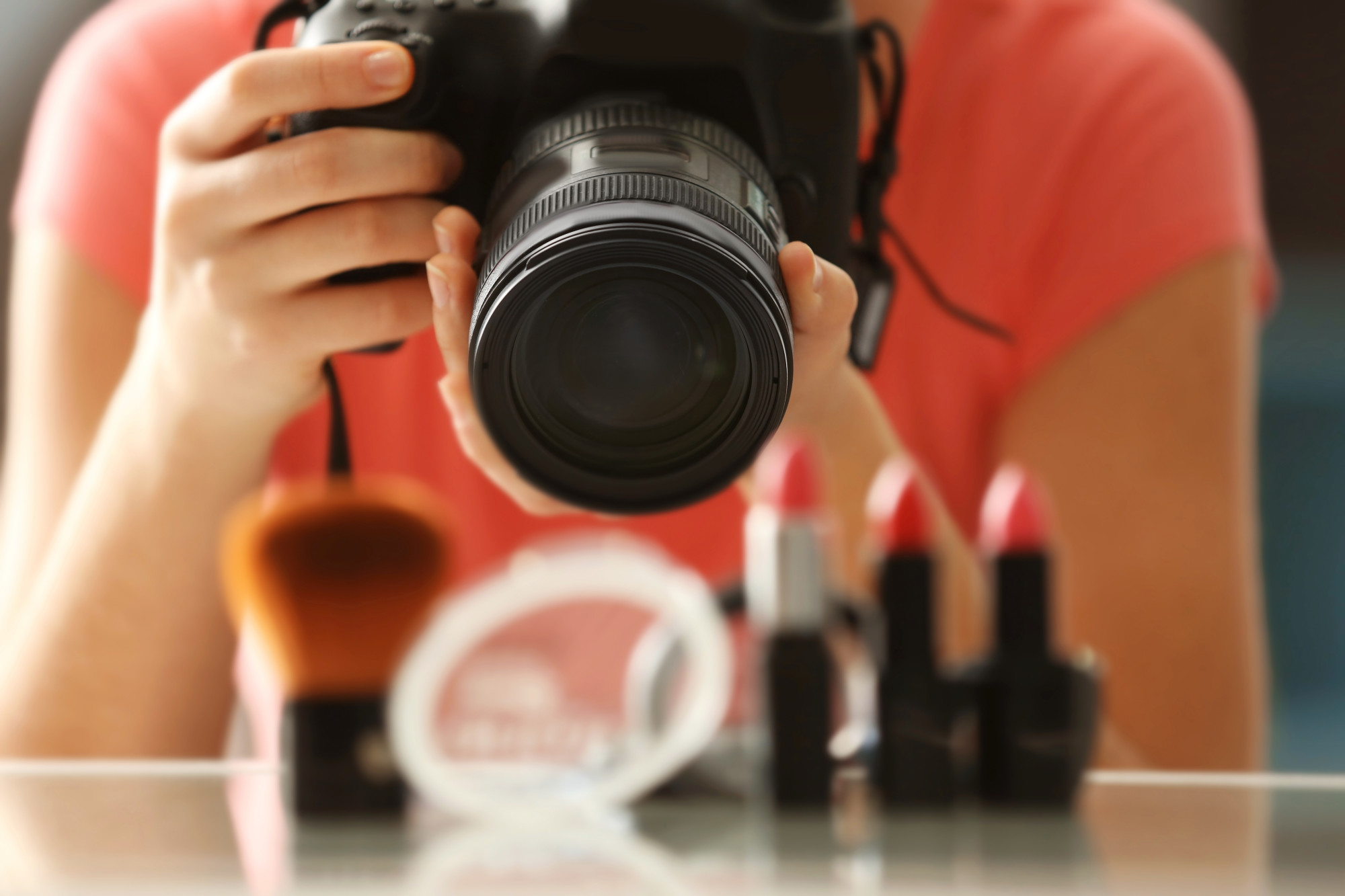
Macro photography allows you to capture intricate details and textures that might otherwise go unnoticed. Use a macro lens or extension tubes to get up close and personal with your product, revealing the hidden beauty and craftsmanship that might be lost in a wider shot. This can be particularly effective for showcasing the fine details of jewelry, accessories, or small-scale products.
Play with Negative Space
Negative space, or the empty areas surrounding your subject, can be a powerful tool in product photography. By intentionally leaving ample breathing room around your product, you can create a sense of elegance and minimalism that draws the viewer's eye directly to the product. Experiment with different framing and compositions to find the sweet spot that highlights your product without overwhelming the frame.
Incorporate Unique Angles
Don't be afraid to get creative with your camera angles. Shoot from above, below, or even at an oblique angle to add visual interest and depth to your images. This can be especially effective for showcasing the shape, form, and overall aesthetic of your #Keyword Or Title#. Just be mindful of maintaining a clean and balanced composition, even when exploring unconventional perspectives.

Styling and Prop Placement
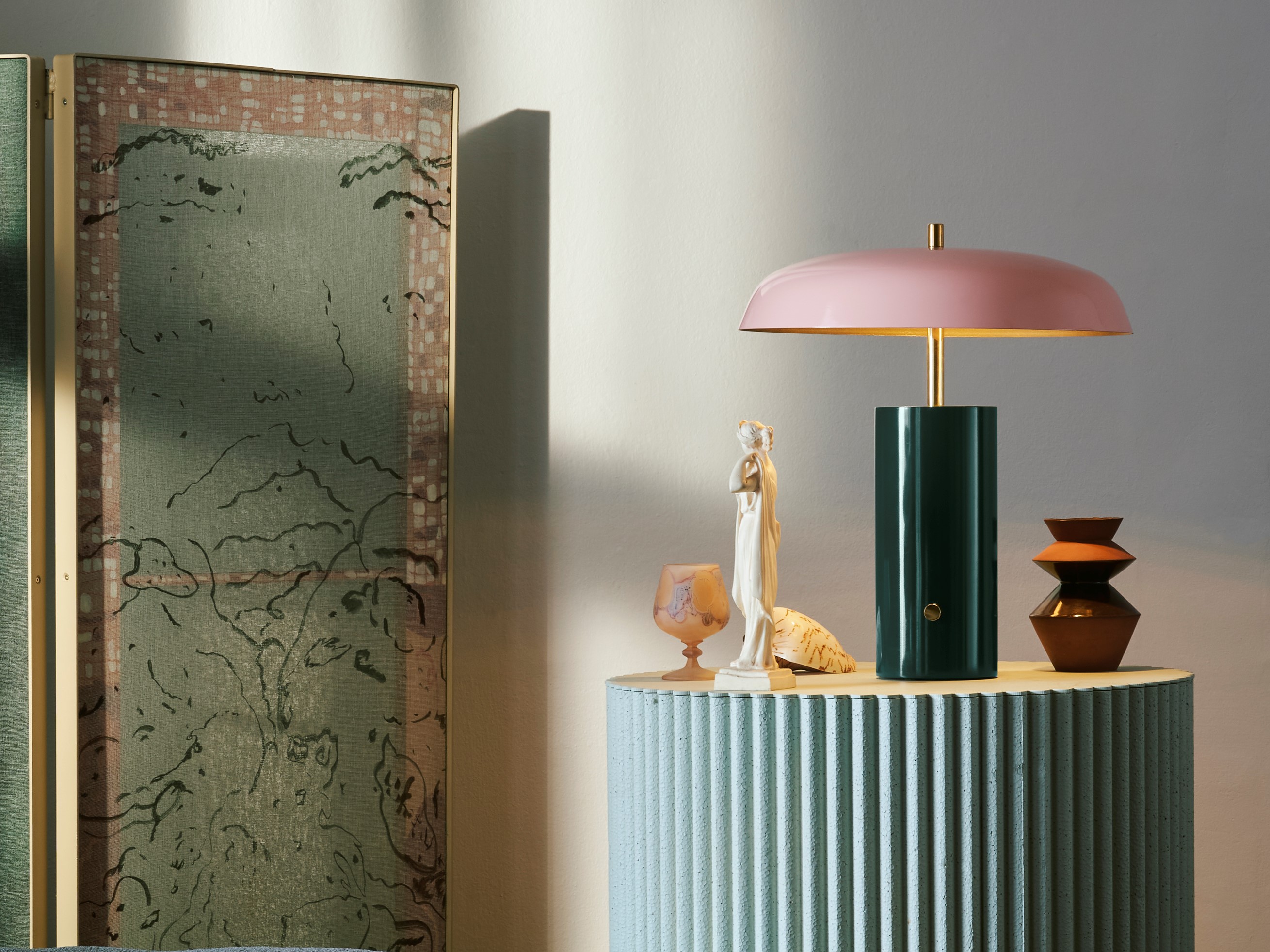
The way you style and accessorize your product can have a significant impact on the overall mood and feel of your product photography. Carefully curated props and styling elements can help to tell a story and create a cohesive, visually appealing scene.
Complement with Complementary Colors
Color theory can be a powerful tool in product photography. Choose props, backgrounds, and styling elements that complement the hues of your product, creating a visually harmonious and aesthetically pleasing composition. Experiment with analogous, complementary, or monochromatic color schemes to find the perfect balance.
Incorporate Relevant Props
Carefully selected props can help to contextualize your product and add depth and interest to your images. Consider incorporating props that are relevant to the product's function, use, or intended setting. For example, if you're photographing a kitchen gadget, you might include cutting boards, utensils, or fresh produce as supporting elements.
Tell a Story with Styling
Go beyond simply showcasing your product and use your styling and prop placement to tell a story. Imagine the potential use cases, emotions, or experiences you want to evoke, and then build a scene that brings that narrative to life. This can help to create a more engaging and memorable visual experience for your audience.
Editing and Post-Processing
While the foundation of great product photography is laid during the shooting process, the final touch is often applied in the editing and post-processing stage. Mastering a few key editing techniques can help to elevate your product images and ensure they're ready for the digital world.
Optimize for Online Platforms
When it comes to product photography, the end goal is often to showcase your product on various online platforms, such as e-commerce websites, social media, or digital advertisements. Ensure that your images are optimized for these digital environments by adjusting the resolution, file size, and aspect ratio as needed. This will help to ensure that your visuals look sharp and engaging no matter where they're displayed.
Enhance with Subtle Edits
While it's important to avoid heavy-handed editing that can make your images look unnatural, a few strategic post-processing adjustments can go a long way in refining your product photography. Consider tweaking the exposure, contrast, and color balance to make your product pop, or use selective masking and retouching to remove any unwanted blemishes or distractions.
Experiment with Creative Editing Techniques
Don't be afraid to explore more creative editing techniques to add a unique touch to your product photography. Try your hand at compositing, double exposures, or even subtle color grading to give your images a distinctive style and personality. Just be sure to maintain a cohesive aesthetic that complements your brand and the overall look and feel of your product imagery.
Conclusion
Elevating your product photography to new heights requires a combination of technical expertise, creative vision, and a willingness to experiment. By mastering the art of lighting, composition, styling, and post-processing, you can create visually stunning product images that captivate your audience and drive engagement with your brand.
Remember, the key to success in product photography is to constantly challenge yourself, stay up-to-date with the latest trends and techniques, and never stop exploring new ways to showcase your product in a unique and compelling manner. With these creative tips in your arsenal, you'll be well on your way to capturing the perfect product shots that leave a lasting impression on your customers.