Africa's Large Aquatic Animals Are Being Hunted and Traded - We Assessed the Scale
-
 Loading...
 - Kofi Eshun
- 27 Sep 2022
- 72 Views
- 0 Like
- 0 Comment
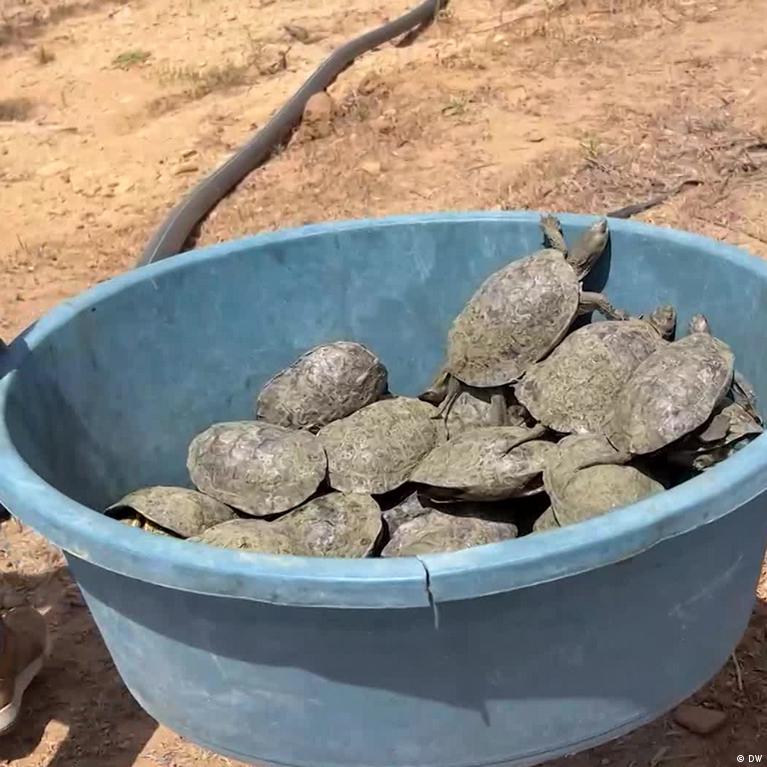
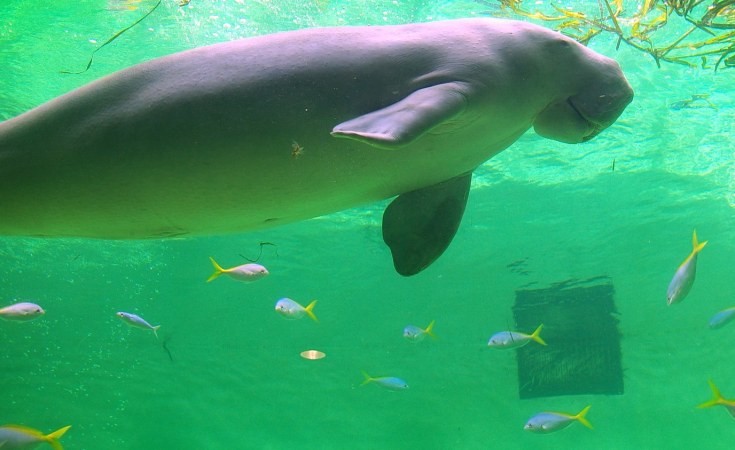
Across most of the world, and particularly in the tropics and subtropics, large wild aquatic animals - such as manatees, turtles and dolphins - are being hunted and traded. This is not a new phenomenon. Aquatic animal meat has been eaten, and sometimes used as remedies or in traditional ceremonies, throughout history.
This type of consumption is widespread. In some places this wild meat is an important source of nutrition, income, and cultural identity. Yet opportunities to exploit wildlife for economic gain - often illegally - increase the number of animals hunted in some places. Coupled with growing human populations, this has led to the unsustainable exploitation of some species.
Understanding the scope and potential threat of aquatic wild meat exploitation is an important first step toward appropriate conservation actions and policies.
We're part of a large international team of conservation researchers and practitioners that recently published a paper on this. We carried out a literature review on the use of large aquatic animals (excluding fish) - what we call "aquatic megafauna" - for wild meat in the global tropics and subtropics. This topic is hugely under-researched, so this review represents one of the most in-depth assessments of the topic to date.
We focused on 37 species of conservation concern that are listed on the Appendices of the Convention on the Conservation of Migratory Species of Wild Animals. The list includes several species of whales, dolphins, and porpoises (cetaceans), manatees and dugongs (sirenians), marine turtles (chelonians), and crocodiles (crocodylians).
Twelve of these species inhabit oceans and rivers in West, Central and Eastern Africa. These are regions that were in the tropics and subtropics and are where there are concerns about hunting, consumption and trade.
We found that the consumption of these aquatic animals is widespread in coastal regions, to varying degrees. Some species are likely to be at risk from over-exploitation, particularly species inhabiting rivers and freshwater areas.
For most of the species monitored, a major issue is that animals are unintentionally caught as bycatch during fishing. They're then opportunistically killed and eaten or sold, instead of being released when alive. Read More...