9 of the Best German Books to Read: A Literary Journey
-
 Loading...
 - Garza Enrique
- 07 Jun 2023
- 71 Views
- 0 Like
- 0 Comment
Whether you're a language enthusiast, a literature lover, or simply seeking a new cultural experience, immersing yourself in the world of German literature can be a rewarding and enlightening endeavor. In this article, we present to you a handpicked selection of the 9 best German books to read, each offering a unique perspective, rich storytelling, and a glimpse into the vibrant German literary tradition. Let's dive in!
German literature has a rich and diverse tapestry woven with tales of love, loss, adventure, and existential musings. It spans centuries, encompassing a multitude of genres and styles, and has contributed significantly to the global literary canon. From the depths of philosophical inquiries to captivating narratives that explore the human condition, German books offer an immersive experience that transcends time and borders.
1. The Tin Drum by Günter Grass

The Tin Drum by Günter Grass is a masterpiece of post-World War II German literature. This thought-provoking novel follows the life of Oskar Matzerath, a boy who decides to stop growing at the age of three. Through Oskar's unique perspective, Grass explores the tumultuous history of Germany, blending elements of magical realism with powerful social commentary. With its vivid storytelling and memorable characters, The Tin Drum is a must-read for anyone delving into German literature.
2. Faust by Johann Wolfgang von Goethe

Johann Wolfgang von Goethe's Faust is an iconic work that has left an indelible mark on German literature. This epic drama tells the story of Faust, a scholar who makes a pact with the devil in his quest for knowledge and fulfillment. Through its poetic verses and profound philosophical themes, Faust delves into the depths of human desires, morality, and the pursuit of meaning. It stands as a testament to Goethe's genius and continues to captivate readers across the globe.
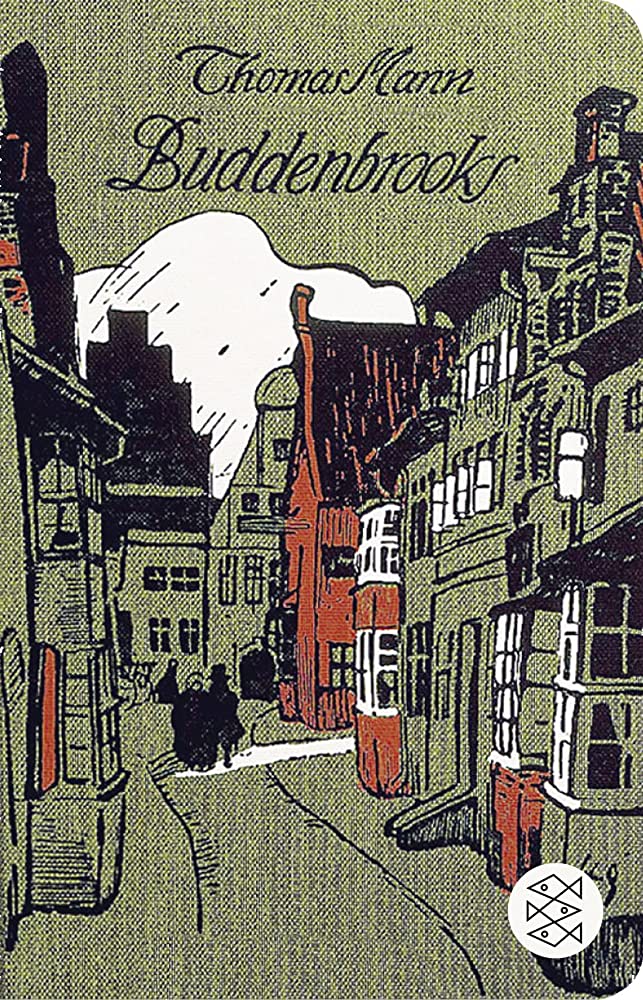
3. Buddenbrooks by Thomas Mann

Thomas Mann's Buddenbrooks is a sweeping family saga that offers a compelling portrayal of the decline of a wealthy merchant family. Set in the fictional town of Lübeck, the novel explores themes of social change, decadence, and the passing of traditions. With meticulous attention to detail and a keen understanding of human psychology, Mann weaves a narrative that immerses readers in the intricacies of a bygone era. Buddenbrooks earned Mann the Nobel Prize in Literature and remains an essential work in German literature.
4. The Reader by Bernhard Schlink
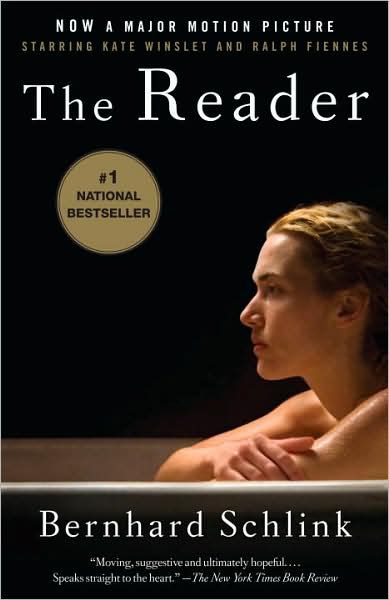
Bernhard Schlink's The Reader is a haunting exploration of guilt, love, and the complexities of post-World War II Germany. The story revolves around a young man named Michael Berg, who embarks on an affair with an older woman named Hanna Schmitz. Years later, Michael discovers that Hanna has a dark secret, leading to a moral dilemma that will shape his life. With its profound examination of memory, responsibility, and the legacy of the past, The Reader is a poignant and thought-provoking novel.
5. Perfume: The Story of a Murderer by Patrick Süskind
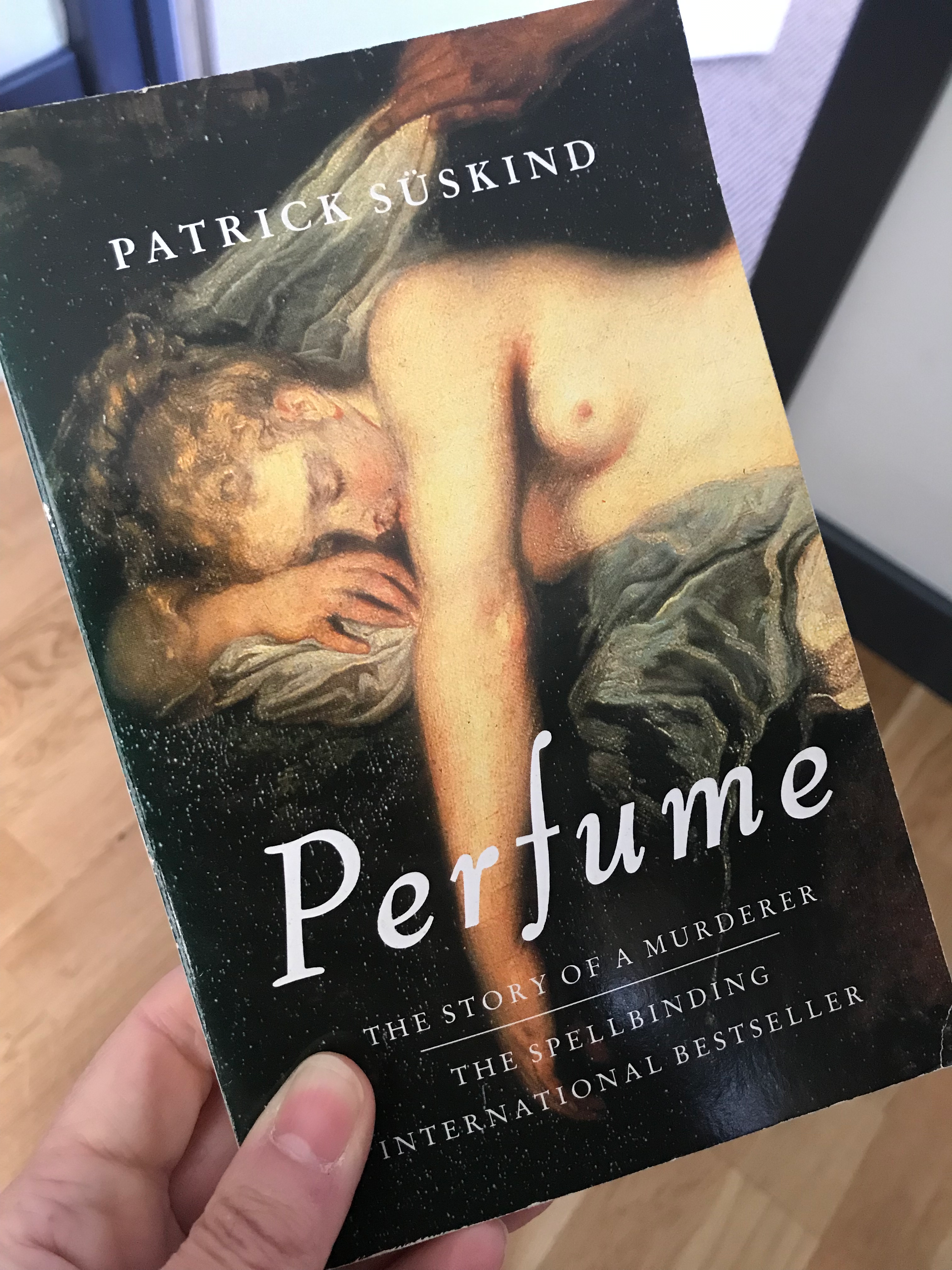
In Perfume: The Story of a Murderer, Patrick Süskind takes readers on a captivating olfactory journey through 18th-century France. The novel follows the life of Jean-Baptiste Grenouille, an orphan with an extraordinary sense of smell. Grenouille becomes obsessed with capturing the essence of beauty and innocence through the creation of the perfect perfume, even if it means resorting to sinister measures. Süskind's evocative prose and vivid descriptions make Perfume an unforgettable exploration of obsession and the power of scent.
6. The Trial by Franz Kafka

Franz Kafka's The Trial is a surreal and allegorical masterpiece that delves into the existential anxieties of modern life. The novel follows the protagonist, Josef K., who finds himself caught in a bewildering legal system without ever knowing the charges against him. Through Kafka's distinctive blend of absurdity and psychological tension, The Trial reflects the dehumanizing effects of bureaucracy and explores themes of guilt, alienation, and the struggle for identity. Kafka's work has had a profound influence on both German and world literature.
7. Berlin Alexanderplatz by Alfred Döblin

Berlin Alexanderplatz by Alfred Döblin is a monumental work of German modernist literature. Set in the vibrant and chaotic city of Berlin during the 1920s, the novel follows the life of Franz Biberkopf, a former convict who seeks redemption and a fresh start. Döblin's innovative narrative style, characterized by stream-of-consciousness and montage techniques, immerses readers in the bustling streets of Berlin and offers a kaleidoscopic portrait of a city in flux. Berlin Alexanderplatz is a captivating exploration of urban life and the human spirit.
8. Steppenwolf by Hermann Hesse
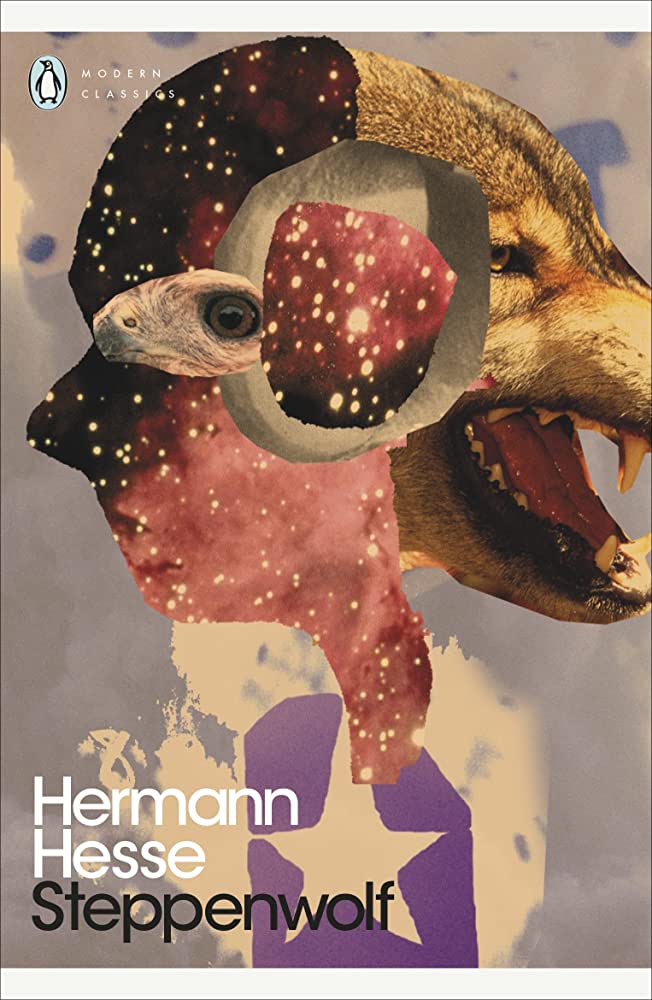
Hermann Hesse's Steppenwolf is a philosophical novel that delves into the internal struggles of the human psyche. The story follows Harry Haller, an introspective and isolated intellectual, as he navigates a world that feels alien to him. Through encounters with a mysterious woman and an enigmatic group known as the "Magic Theater," Haller embarks on a transformative journey of self-discovery. Steppenwolf explores themes of duality, alienation, and the search for meaning, making it a compelling read for those interested in existential literature.
9. Effi Briest by Theodor Fontane
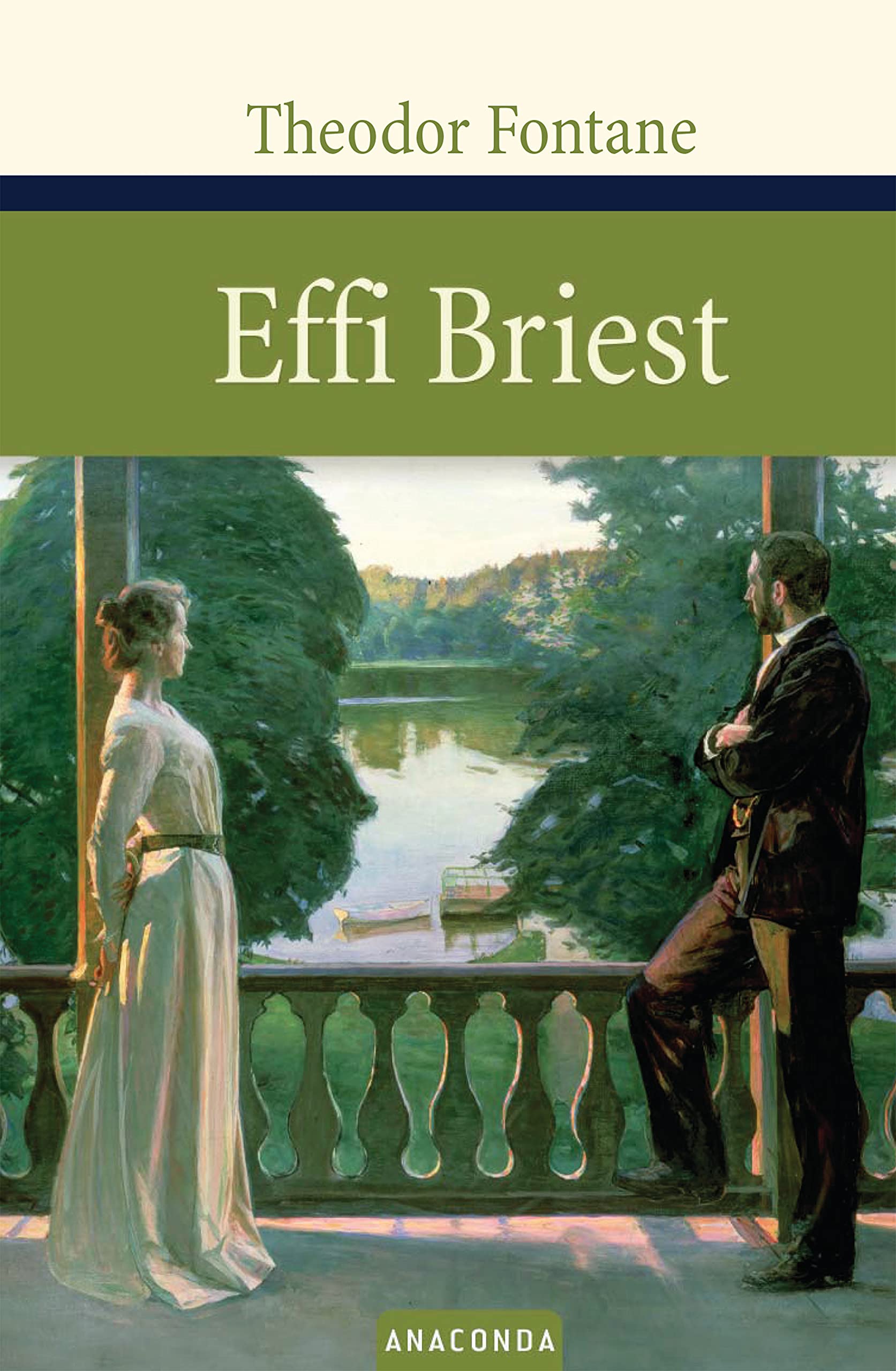
Effi Briest by Theodor Fontane is a classic novel that offers a nuanced portrayal of the constraints placed upon women in 19th-century German society. The story centers around Effi Briest, a young woman who enters into a loveless marriage with a much older man. As societal pressures and personal desires collide, Effi's life takes a tragic turn. Fontane's elegant prose and insightful social commentary make Effi Briest a timeless work that explores themes of gender, marriage, and societal expectations.
Frequently Asked Questions (FAQs)
1. What are the key characteristics of German literature?
German literature is characterized by its philosophical depth, introspection, and exploration of complex human emotions and existential themes. It often reflects the historical and cultural context of Germany and showcases a diverse range of narrative styles and genres.
2. Are these books suitable for non-German speakers?
Yes, many of these books have been translated into various languages, including English. It is recommended to read translated editions by reputable translators to experience the essence of the original work.
3. Where can I find English translations of these books?
English translations of these German books can be found in bookstores, libraries, and online retailers. Reputable publishing houses such as Penguin Classics, Vintage International, and Farrar, Straus and Giroux are known for their quality translations.