Embracing Blur in Photography
-
 Loading...
 - Viransh Chabra
- 07 Jun 2022
- 270 Views
- 0 Like
- 0 Comment
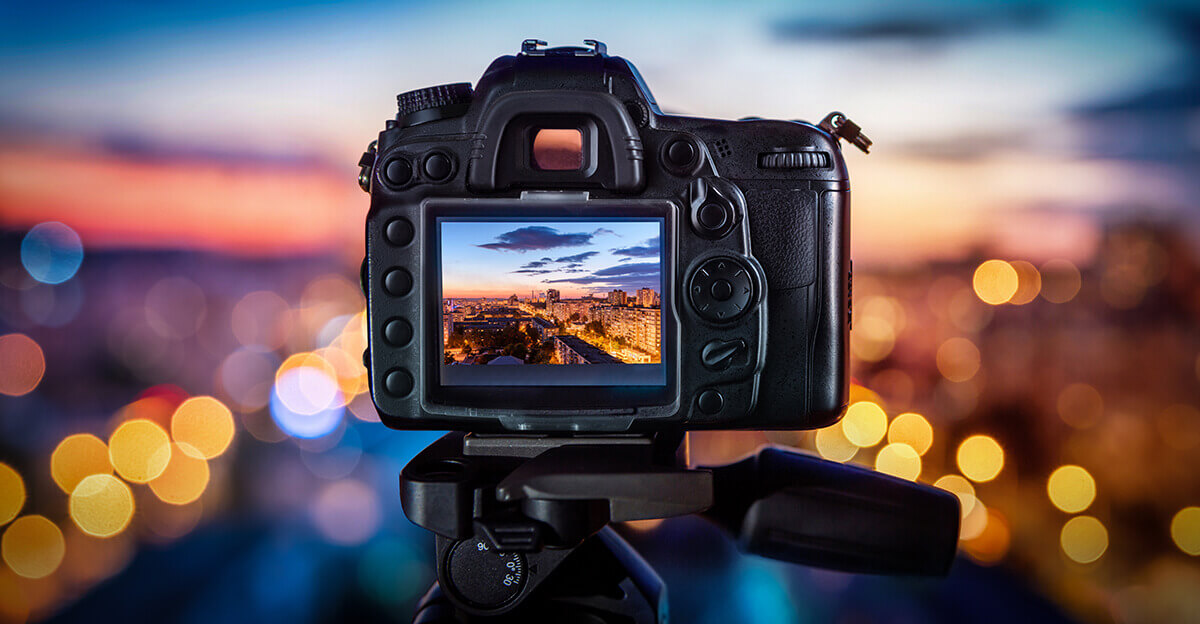
Capturing sharp photos is often seen as the holy grail for most amateur photographers. Meanwhile, blurry photos are often perceived as a photographic error. They can seem like a result of poor execution by not managing the controls of your camera correctly.
But, not all photos that exhibit camera blur are the result of a technical mistake. Rather, photographers often use blur intentionally as a form of creative expression. It’s a technique that can change the mood and feel of your shot, bringing an otherwise dull image to life.
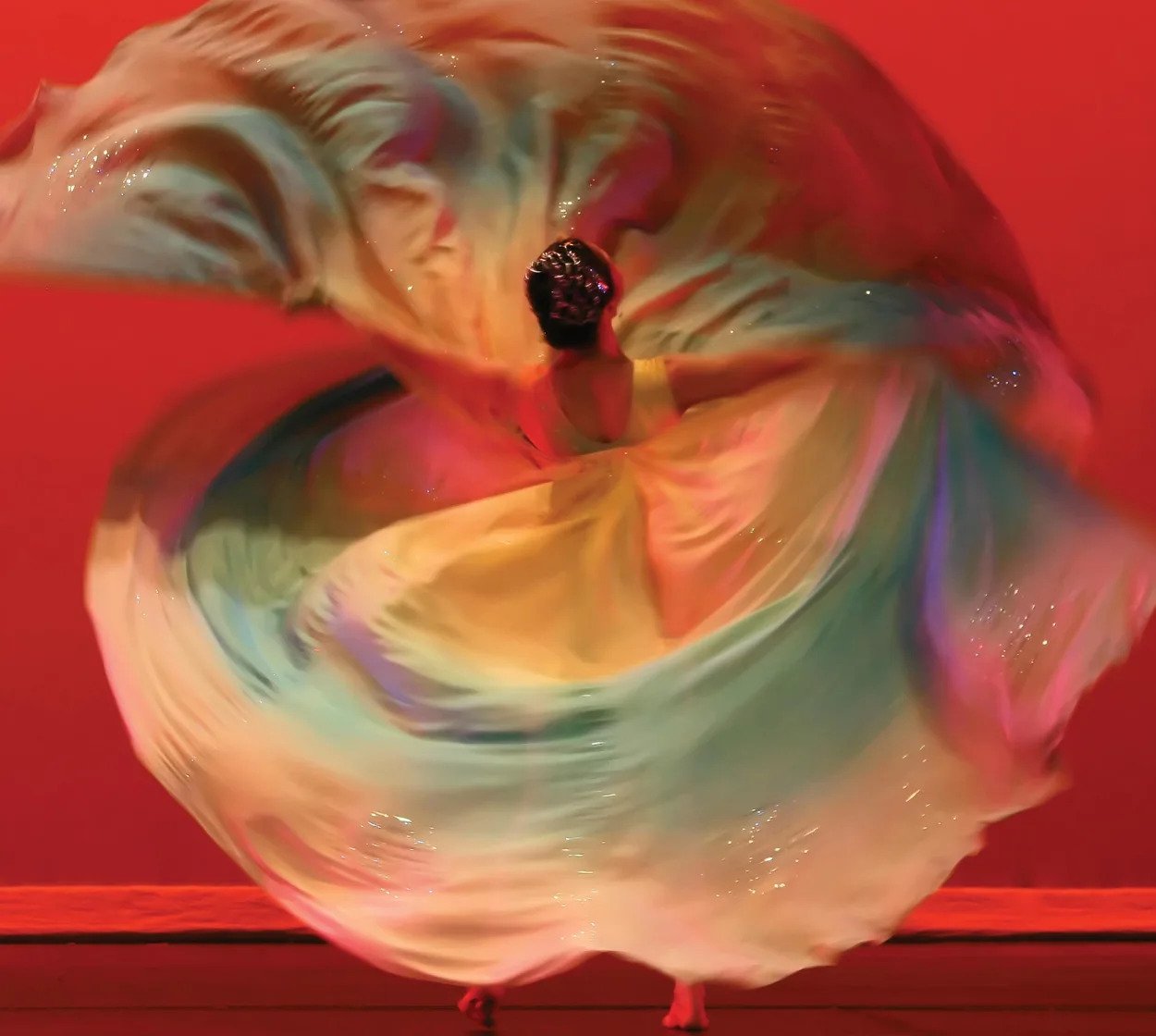
Sometimes, blur in photography can add a little softness to the shot. Other times, blur can inject a sense of movement. When effectively deployed, blur can also reduce distracting elements in your frame, therefore guiding your viewer’s attention to the point of focus.
Blur is a meaningful tool that doesn’t necessarily suggest poor camera handling.

So, how can we embrace camera blur to elevate our photography? How can artists blur photos in ways that look intentional, rather than accidental?
Let’s go over some instances where lack of sharpness helps to produce better photos.

Create a Sense of Motion
While photography is, for the most part, about freezing an action in front of you, there will be times when freezing the action fails to tell the full story.
Perhaps you want to convey the speed of a moving car? Or the movement of waves crashing along the shore? Or maybe you want to capture movement by producing expressive abstract blurs?
The technique you use to capture motion blur depends on the results you want to attain. Let’s take a look at several techniques that herald different motion blur results.
Abstract Panning Blur
So, you want to produce a painterly effect in your photography depicting expressive, directional strokes that evoke movement? This is achieved by adopting a photography technique called panning—produced by moving your camera side to side or in an upward and downward motion before the shutter closes.

Choosing a colorful subject, such as flowers, produces optimal results when creating abstract panning blur. Set your camera’s shutter speed to 1/10th of a second, and pan your camera up and down, so it’s parallel with the direction of the flowers.
It’s important to note that your camera should be moving for the entire length of the exposure. Otherwise, parts of your image will retain details, and the effect will be ruined.
Panning your camera at different speeds will produce different results. How fast or slow you move your camera depends on your preference, so it’s worth experimenting with different motion speeds to figure out what effect you want to achieve.

Zoom Blur
Zoom blur—or zoom burst photography—is a technique achieved by manually zooming the lens as quickly as possible when the shutter is open.
Such images are characterized by blurry streaks that appear to blur outwards and emanate from the center. This gives the viewer the sense that they’re traveling (moving) into the frame.
Zoom blur is also a nice way to direct the viewer’s eye to the center of the shot, which appears sharp compared to the corners of the frame. Read More...