5 Wildlife Photography Tips for Beginners
-
 Loading...
 - Marcel Fabre
- 26 Feb 2025
- 40 Views
- 0 Like
- 0 Comment
Wildlife photography can be an incredibly rewarding pursuit, allowing you to capture the beauty and behavior of animals in their natural habitats. If you’re just starting out, here are five essential tips to help you get the most out of your wildlife photography experience:
1. Know Your Subject
Before heading out, take some time to research the animals you want to photograph. Understanding their behavior, habitat, and daily routines will increase your chances of capturing compelling images. For example, knowing when certain animals are most active (dawn and dusk for many species) can help you plan your outings effectively. Additionally, familiarize yourself with their calls and movements, which can help you locate them in the field.
2. Invest in the Right Gear
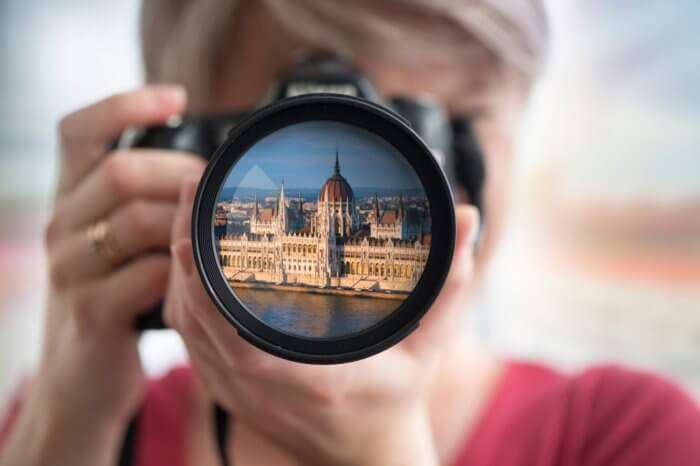
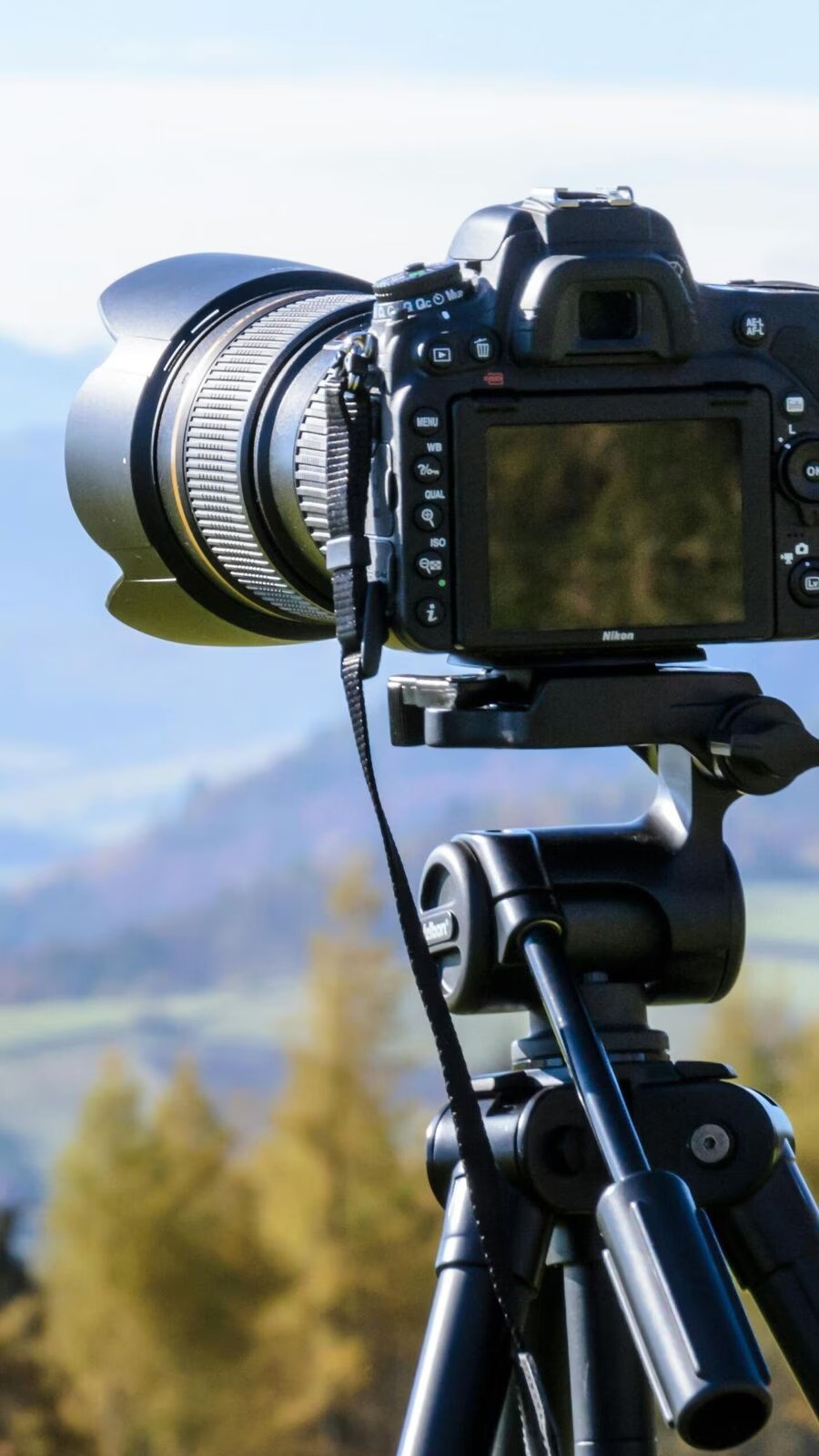
While you don’t need the most expensive equipment to start, having the right gear can make a significant difference. A DSLR or mirrorless camera with a good zoom lens (at least 200mm) is ideal for wildlife photography, as it allows you to capture animals from a distance without disturbing them. A tripod or monopod can also help stabilize your shots, especially in low light conditions. Don’t forget to bring extra batteries and memory cards, as wildlife photography often requires patience and time.
3. Practice Patience and Stealth
Wildlife photography often requires a great deal of patience. Animals can be unpredictable, and it may take time for them to appear or behave in a way that makes for a great shot. Move quietly and avoid sudden movements to minimize your impact on the environment and the animals. Consider using camouflage clothing or a blind to help you blend into your surroundings, allowing you to observe and photograph wildlife without scaring them away.
4. Pay Attention to Composition
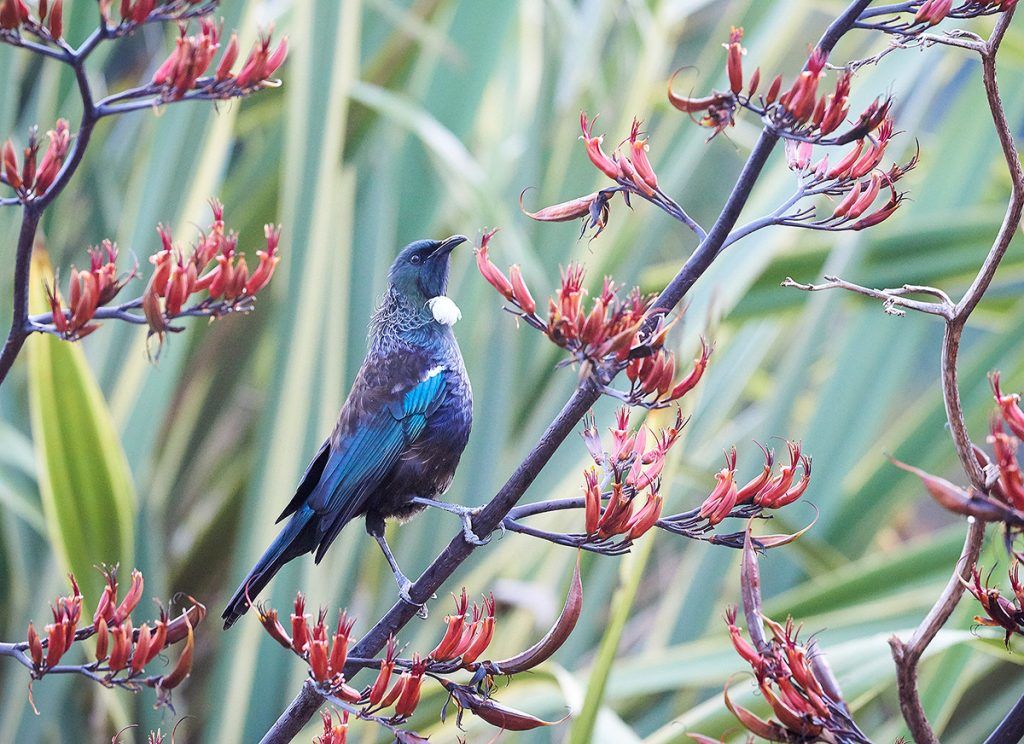
Good composition can elevate your wildlife photos from ordinary to extraordinary. Use the rule of thirds to create balanced and engaging images. Position your subject off-center to draw the viewer’s eye into the frame. Look for interesting backgrounds that complement your subject, and try to capture the animal in its environment to tell a story. Experiment with different angles and perspectives—getting low to the ground can provide a unique viewpoint and make your subject appear more majestic.
5. Be Respectful of Nature
Always prioritize the well-being of the wildlife and their habitats. Keep a safe distance from animals, and never approach them too closely, especially if they appear stressed or threatened. Follow local guidelines and regulations regarding wildlife photography, and avoid disrupting their natural behaviors. Remember that you are a guest in their environment, and your actions can have a lasting impact on their lives.
Wildlife photography is a journey that combines art, science, and a deep appreciation for nature. By following these tips, you’ll be well on your way to capturing stunning images that showcase the beauty and diversity of the animal kingdom.