20+ Fantastic Korean Barbecue Recipes For 2022

In Korea, people tend to have a barbecue on special occasions with numerous pieces of Korean cooking silverware to serve different stages of the dish. However, this post will simplify all the cooking processes to help your experience in the kitchen be as relaxing as possible.
Heavenly Korean Barbecue Dishes Just For Your Kitchen
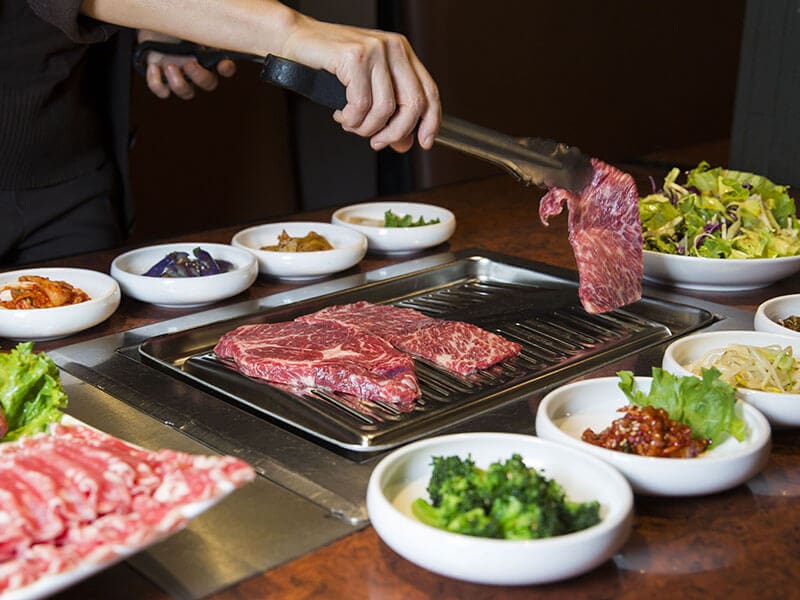
Korean barbecue is not just a simple dish, but the culture behind it is fascinating as well. Most often, Koreans serve the raw ingredients right at the table, so you should expect your meal to be full of interactive activities.
You will need to grill the meat while also having wonderful conversations with family members. In some cases, you can have Soju as an iconic Korean beverage to go with the grilled meat. To put it shortly, barbecue is a perfect dish to establish connections with people around you.
But that’s enough about Korean etiquette while having a barbecue. Let’s dive straight into the dishes that you should be making.
1. LA Galbi (Korean BBQ Short Ribs)

LA Galbi is a popular Korean grilling recipe in Korean cuisine. It was Korean immigrants in Los Angeles who first developed the recipe, hence LA in the name. The dish comes together quickly, making it a solid choice for a home-based BBQ recipe.
The best cut of meat to use is the flanken ribs which have a certain tenderness thanks to the fat marbling and connective tissues. Most often, the beef comes in thin slices, thus quickening your grilling process.
The marinating mixture should compose of soy sauce with honey, rice wine vinegar, and pineapple juice. Because of the acidity from the pineapple juice, the beef becomes much more tenderized when grilled. It’s best to leave the ribs in the marinating mixture for around 8 hours.
When it comes to grilling LA Galbi, you should do it over a grill with an open fire to get that smokey and caramelized flavor on the meat. If you don’t feel like working with fire, then the oven is a perfect alternative method to cook the meat.
2. Beef Bulgogi

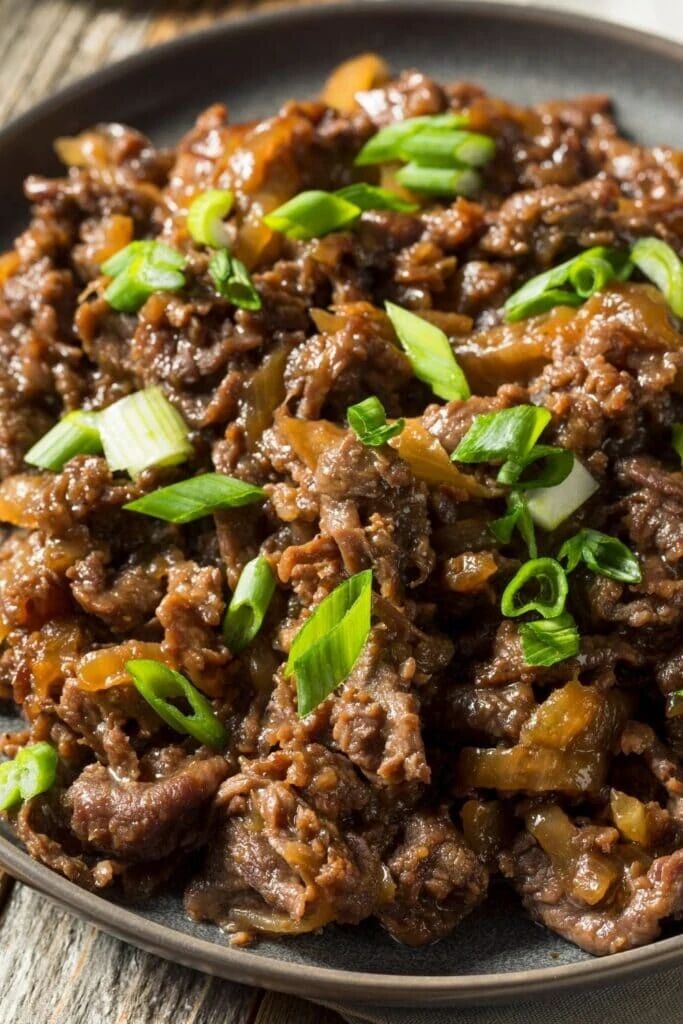
Bulgogi is hands down one of the iconic dishes when it comes to Korean BBQ. The word Bulgogi is directly translated to “fire meat”. Many people believe the first Bulgogi appeared in the Goguryeo era between 36 BCE and 668 CE.
Although there’s no limit to the type of meat to use for Bulgogi, I prefer using beef. Because of the tenderness and succulent nature of beef, you can quickly whip up a nice plate of Beef Bulgogi. I suggest using ribeyes steak as the cut has a perfect balance of fat and meat.
Instead of using pineapple to soften the beef, you can use Asian pear for a more traditional approach to the recipe. Then, I suggest adding Gochujang (Korean red pepper paste) with brown sugar, sesame oil, and soy sauce for the marinating concoction.
Ideally, you want to flip the beef slices after 2 – 3 minutes to get some beautiful charred marks on both sides of the beef. Your beef Bulgogi should finish cooking with a tempting aroma of various condiments and a nice dark brown color.
3. Jeyuk Bokkeum (Spicy Grilled Pork)

Despite having a different name, Jeyuk Bokkeum is another variation of Bulgogi. However, you can tweak the recipe by alternating some condiments to create a very unique grilled pork dish. It’s a simple dish that you should pull off right at home.
Commonly, locals like using Maesilaek (Korean plum extract) to combine with soy sauce, Gochugaru (Korean pepper flakes), and Mirin (Japanese rice wine) for the steeping concoction. Remember, your sauce needs to have a paste-like consistency to qualify.
For serving, Jeyuk Bokkeum is best served with traditional Korean side dishes like Kimchi or rice. If you can’t handle all the tough grilling, I recommend cooking the meat on a big skillet to get the effect. Jeyuk Bokkeum will have a nice bright orange color thanks to the sauce.
4. Dak Bulgogi (Korean BBQ Chicken)

Here’s another Bulgogi variation that you can take to experiment with different ingredients. Dak Bulgogi, or BBQ chicken, is a simple recipe that utilizes Gochujang to season the meat. Alternatively, you can grill, pan-fry, or broil the chicken in the oven.
For the best cut of chicken, I suggest using the thighs with the bones to keep the meat moist and flavorful. Aside from using Korean chili paste, you will need to add soy sauce, brown sugar, and Mulyeot (Korean corn syrup) to coat the chicken thighs.
While grilling the chicken will take around 3 – 4 minutes for each side, you need to remember to flip only once to avoid losing a lot of the seasonings. For broiling, it will cost you 4 – 5 minutes, but you need to pay attention not to overcook the chicken.
In my opinion, pan-frying gives you much more control over the outcome of your Dak Bulgogi. The result you get is a tenderized Dak Bulgogi with bright orange color from the sauce.
5. Samgyeopsal Gui (Korean Grilled Pork Belly)

In Korean, people tend to refer to Samgyeopsal Gui as a grilled pork belly dish. Traditionally, Korean locals will grill the pork belly over an open fire or a special pan to draw as much fat from the meat as possible.
Polar opposite to other grilling recipes, Samgyeopsal Gui requires little seasonings to work with. Commonly, people often use wine with peppercorn and simple herbs like rosemary to cure the pork meat.
If you use red wine for the marinating concoction, make sure you don’t steep the meat for more than 24 hours. Ideally, the pork belly should be ready after 2 – 3 hours of marinating. Don’t forget to cut the pork belly into smaller pieces before grilling.
People often serve Samgyeopsal Gui with a variety of Korean vegetables. You can put a bay leaf in the center and roll up the vegetables with the pork belly slices for a more intense taste. Read More…