10 Foods That May Help Maintain Blood Sugar Level
-
 Loading...
 - Ottum Tore
- 06 Jun 2023
- 95 Views
- 0 Like
- 0 Comment
Introduction
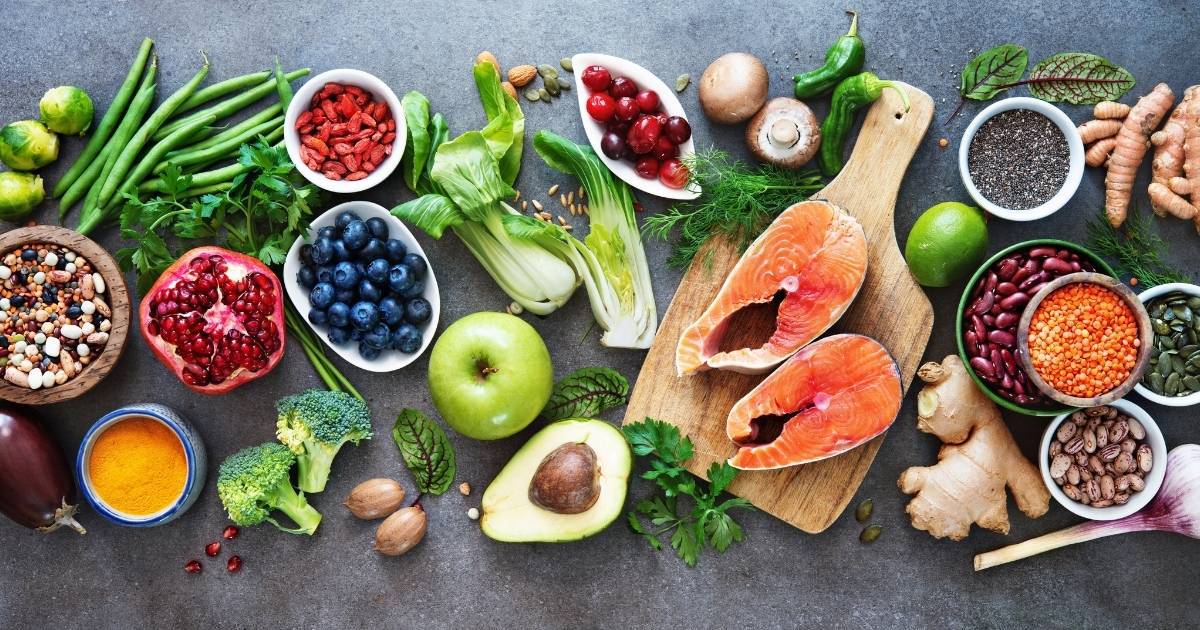
Maintaining stable blood sugar levels is crucial for overall health, especially for individuals with diabetes or those at risk of developing the condition. Diet plays a vital role in managing blood sugar levels, and incorporating certain foods into your daily meals can be beneficial. In this article, we will explore 10 foods that may help maintain blood sugar levels naturally. From fiber-rich vegetables to protein-packed nuts, we will delve into the properties of these foods and how they can contribute to stable blood sugar levels. So, let's dive in and discover the top 10 foods to support your blood sugar management journey!
1. Leafy Greens: The Powerhouse of Nutrients
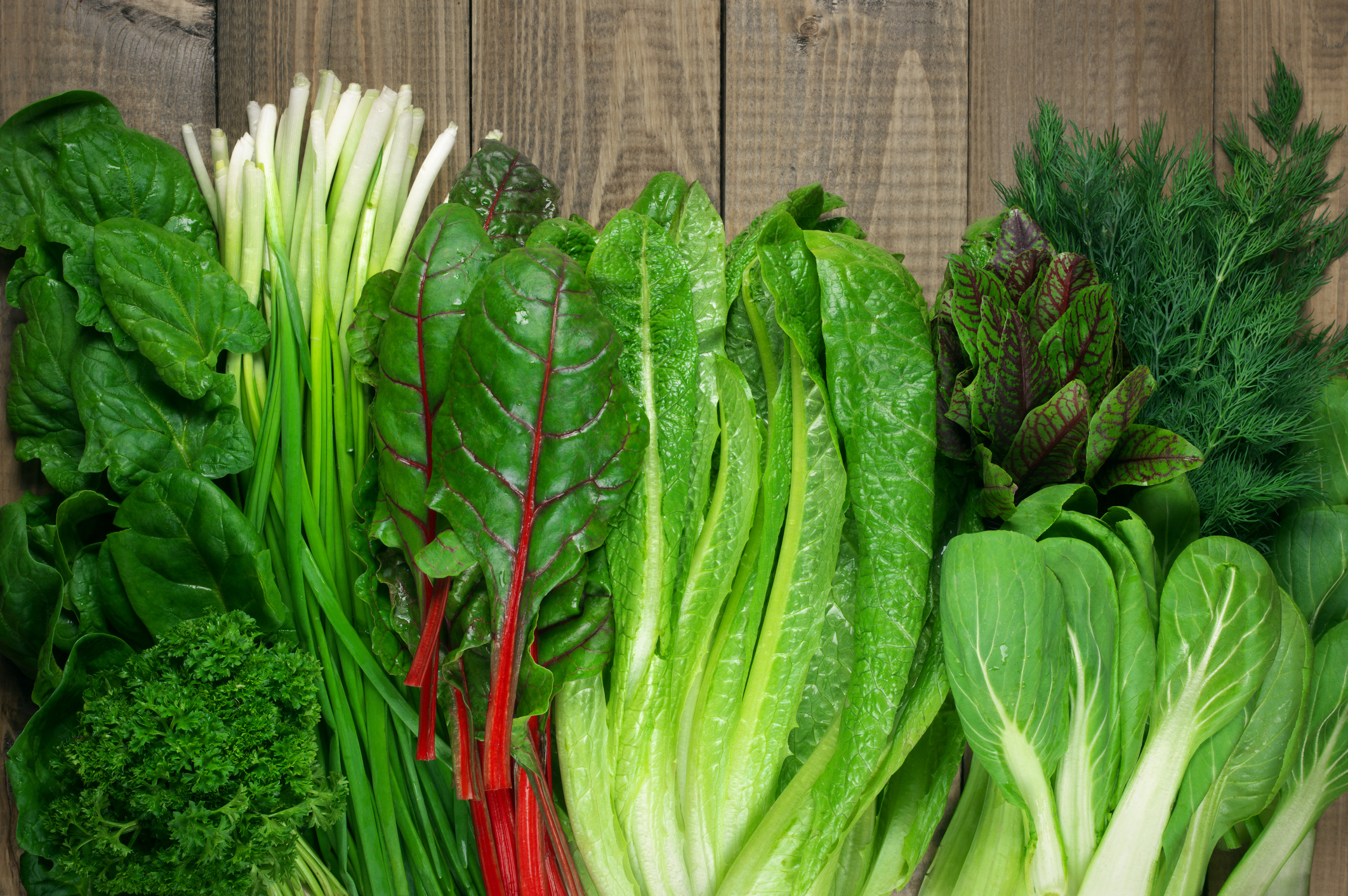
Leafy greens are not only vibrant and delicious but also rich in essential nutrients and low in carbohydrates. Incorporating leafy greens such as spinach, kale, and collard greens into your diet can have a positive impact on blood sugar levels. These greens are loaded with fiber, which slows down the absorption of sugar into the bloodstream, preventing sudden spikes. Additionally, they are packed with antioxidants, vitamins, and minerals that promote overall health.
Including a variety of leafy greens in your meals can be as simple as adding them to salads, stir-fries, or smoothies. Experiment with different recipes and combinations to find the flavors that appeal to your taste buds. Remember, the more colorful your plate, the more diverse the range of nutrients you consume!
2. Nuts: A Crunchy and Nutritious Snack
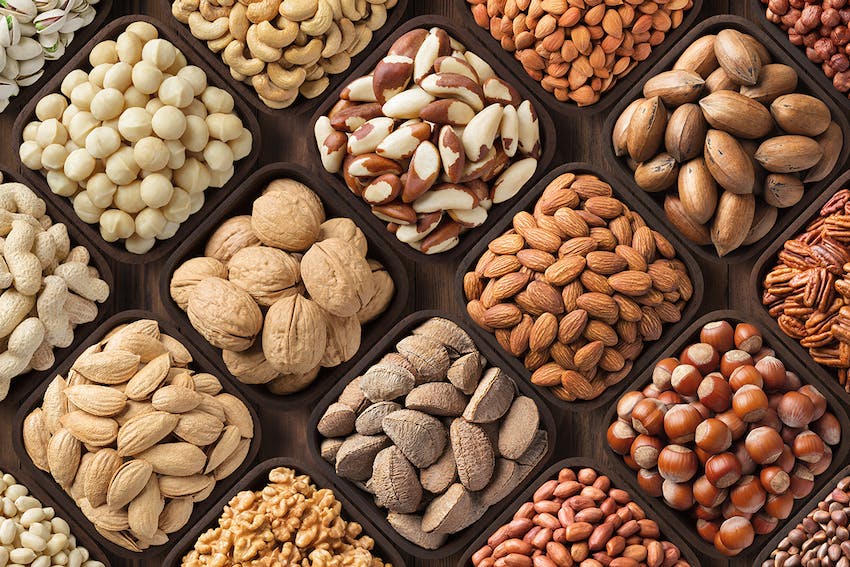
Nuts are not only a convenient and tasty snack but also offer numerous benefits for blood sugar management. Almonds, walnuts, pistachios, and other nuts are rich in healthy fats, protein, and fiber. These nutrients work together to slow down the digestion process and prevent blood sugar spikes.
Research suggests that incorporating nuts into your diet may improve insulin sensitivity, which is crucial for maintaining healthy blood sugar levels. Additionally, the healthy fats found in nuts can help you feel fuller for longer, reducing the temptation to indulge in unhealthy snacks between meals.
Consider keeping a stash of mixed nuts at your desk or in your bag for a quick and satisfying snack. Remember to consume them in moderation, as they are also high in calories.
3. Berries: Nature's Sweet and Colorful Treat

Berries are not only delightful to the taste buds but also packed with antioxidants, vitamins, and fiber. The natural sugars in berries are balanced by their high fiber content, resulting in a slower release of sugar into the bloodstream. This helps prevent sudden spikes in blood sugar levels.
Some popular berries include strawberries, blueberries, raspberries, and blackberries. These vibrant fruits can be enjoyed as a standalone snack, added to yogurt, or incorporated into smoothies and desserts. Get creative and experiment with different combinations to tantalize your taste buds while reaping the benefits of stable blood sugar levels.
4. Legumes: A Plant-Based Protein Powerhouse

Legumes, such as lentils, chickpeas, and black beans, are not only affordable and versatile but also excellent sources of plant-based protein and fiber. The combination of protein and fiber in legumes helps slow down the digestion process and regulate blood sugar levels.
Moreover, legumes have a low glycemic index (GI), meaning they have a minimal impact on blood sugar levels. This makes them an ideal addition to a balanced diet for individuals seeking to maintain stable blood sugar levels.
From hearty lentil soups to chickpea-based salads, there are countless ways to incorporate legumes into your meals. Experiment with different recipes and seasonings to find your favorite legume-based dishes.
5. Whole Grains: The Wholesome Choice
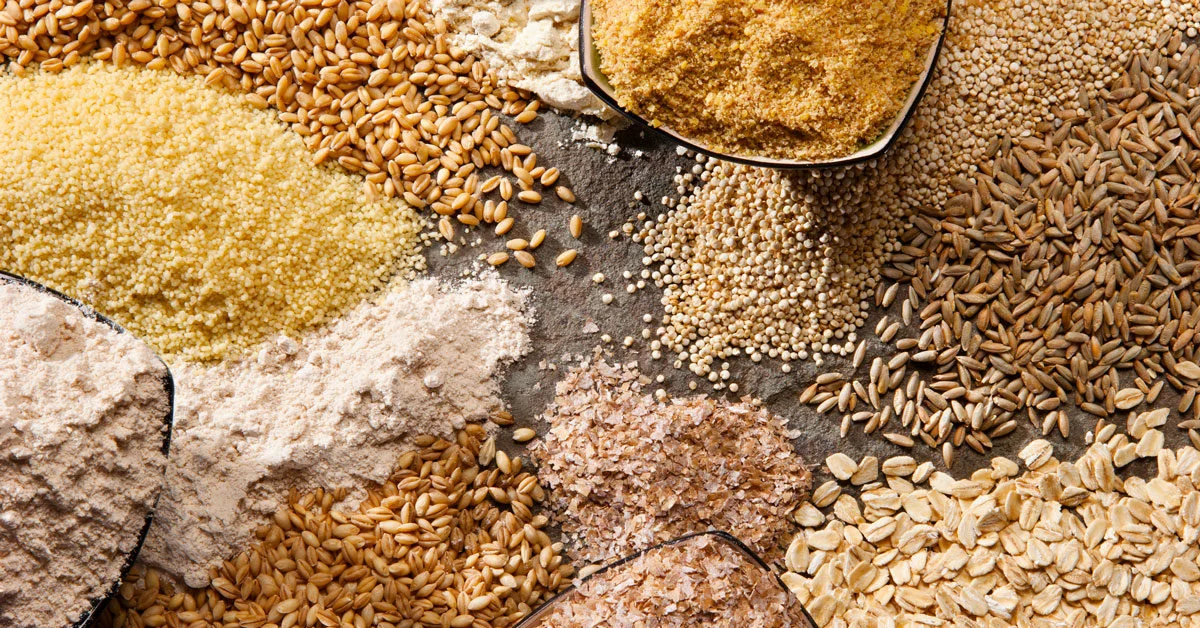
When it comes to maintaining stable blood sugar levels, opting for whole grains over refined grains is a wise choice. Whole grains, such as quinoa, brown rice, and oats, are packed with fiber and essential nutrients, making them a healthier alternative.
The fiber content in whole grains slows down the digestion process, preventing rapid spikes in blood sugar levels. Moreover, whole grains have a lower glycemic index compared to refined grains, which means they have a gentler impact on blood sugar.
Incorporating whole grains into your diet can be as simple as swapping white bread for whole wheat bread, white rice for brown rice, or regular pasta for whole grain pasta. These small changes can make a significant difference in managing blood sugar levels.
6. Greek Yogurt: Creamy and Protein-Rich

Greek yogurt is not only a delicious and creamy treat but also an excellent choice for maintaining stable blood sugar levels. Compared to regular yogurt, Greek yogurt has a higher protein content and a lower carbohydrate content.
The combination of protein and fat in Greek yogurt helps slow down the digestion process, preventing sudden spikes in blood sugar. Additionally, the protein content in Greek yogurt can promote feelings of fullness and satisfaction, reducing the likelihood of overeating or indulging in unhealthy snacks.
Enjoy Greek yogurt as a standalone snack, or enhance its flavor and nutritional profile by adding berries, nuts, or a drizzle of honey. It can also be used as a creamy base for smoothies or as a substitute for sour cream in various recipes.
7. Cinnamon: A Spice with Natural Sweetness

Cinnamon is a warm and aromatic spice that not only adds depth of flavor to dishes but also offers potential benefits for blood sugar management. Several studies suggest that cinnamon may help improve insulin sensitivity and lower fasting blood sugar levels.
The active compounds in cinnamon, such as cinnamaldehyde, have been shown to mimic insulin's effects and enhance glucose uptake in cells. This can contribute to more stable blood sugar levels and improved overall insulin function.
Incorporating cinnamon into your diet can be as simple as sprinkling it on oatmeal, adding it to smoothies, or using it to spice up roasted vegetables. Embrace the natural sweetness and warmth of cinnamon while potentially supporting your blood sugar management goals.
8. Fatty Fish: Omega-3 Goodness
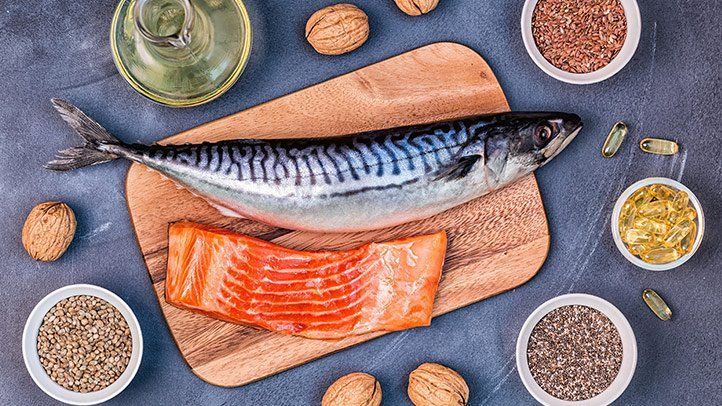
Fatty fish, such as salmon, mackerel, and sardines, are not only delicious but also rich in omega-3 fatty acids. These healthy fats have been associated with various health benefits, including improved insulin sensitivity and reduced inflammation.
Consuming omega-3 fatty acids from fatty fish may contribute to better blood sugar control and reduced risk of type 2 diabetes. Moreover, these fatty acids are known to support heart health, making them a valuable addition to any diet.
Incorporate fatty fish into your meals a few times a week to enjoy their nutritional benefits. Grilling, baking, or steaming fish can retain its natural flavors while preserving its health benefits.
9. Avocado: Creamy and Nutrient-Dense
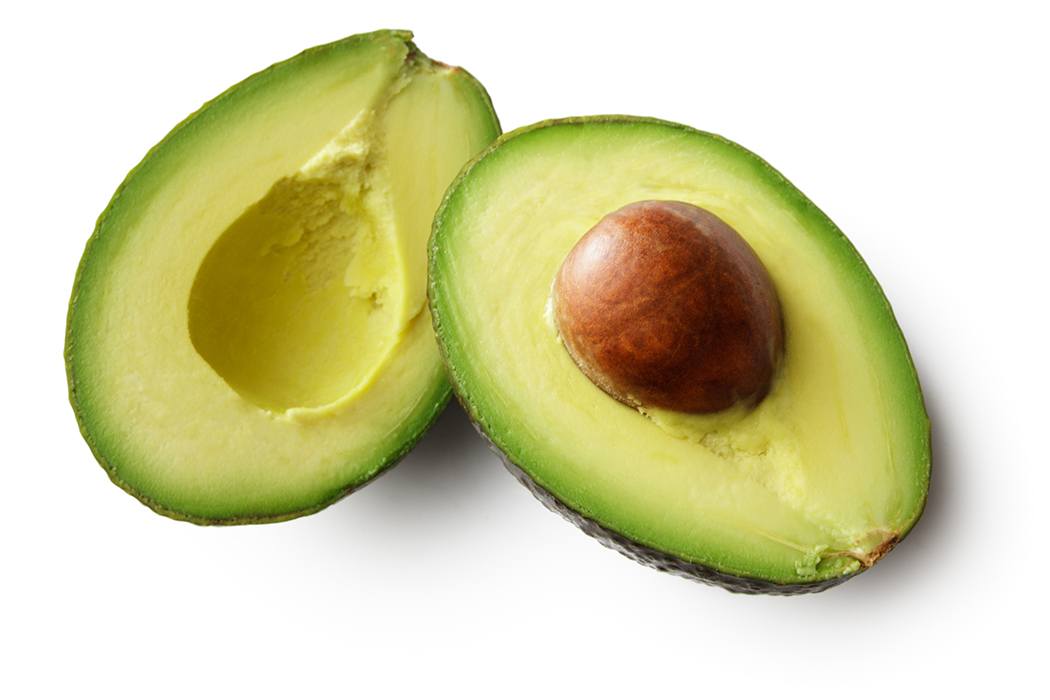
Avocado is a unique fruit that is not only creamy and delicious but also packed with healthy fats, fiber, and essential nutrients. The monounsaturated fats found in avocados can help improve insulin sensitivity and regulate blood sugar levels.
The high fiber content in avocados contributes to better blood sugar control by slowing down the digestion process. Additionally, avocados contain various vitamins and minerals that support overall health and well-being.
Incorporate avocados into your diet by adding slices to salads, spreading avocado mash on whole grain toast, or using them as a base for homemade guacamole. The versatility of avocados allows for endless possibilities in creating nutritious and blood sugar-friendly meals.
10. Green Tea: A Refreshing Beverage with Health Benefits

Green tea is not only a refreshing and aromatic beverage but also a great choice for individuals looking to maintain stable blood sugar levels. The compounds found in green tea, such as catechins and polyphenols, have been studied for their potential role in blood sugar control.
Research suggests that green tea may enhance insulin sensitivity and improve glucose metabolism, leading to better blood sugar regulation. Moreover, green tea is rich in antioxidants, which can have positive effects on overall health and well-being.
Replace sugary beverages with green tea as a healthier and blood sugar-friendly option. Enjoy it hot or cold, and experiment with different flavors and variations to find the ones that suit your taste preferences.
FAQs
Q1. Are these foods suitable for everyone, regardless of blood sugar levels?
A1. While these foods may help maintain blood sugar levels, it is important to consult with a healthcare professional or a registered dietitian before making significant dietary changes. Individual nutritional needs and medical conditions can vary, and personalized guidance is essential for optimal health.
Q2. Can these foods cure diabetes?
A2. These foods can be part of a healthy lifestyle that supports blood sugar management. However, it is important to note that there is no cure for diabetes. Diabetes management typically involves a combination of healthy eating, regular physical activity, medication (if prescribed), and regular monitoring of blood sugar levels.