Tips To Get Mortgage for Your Overseas Property Purchase
20230526052249_64704229a937e.webp

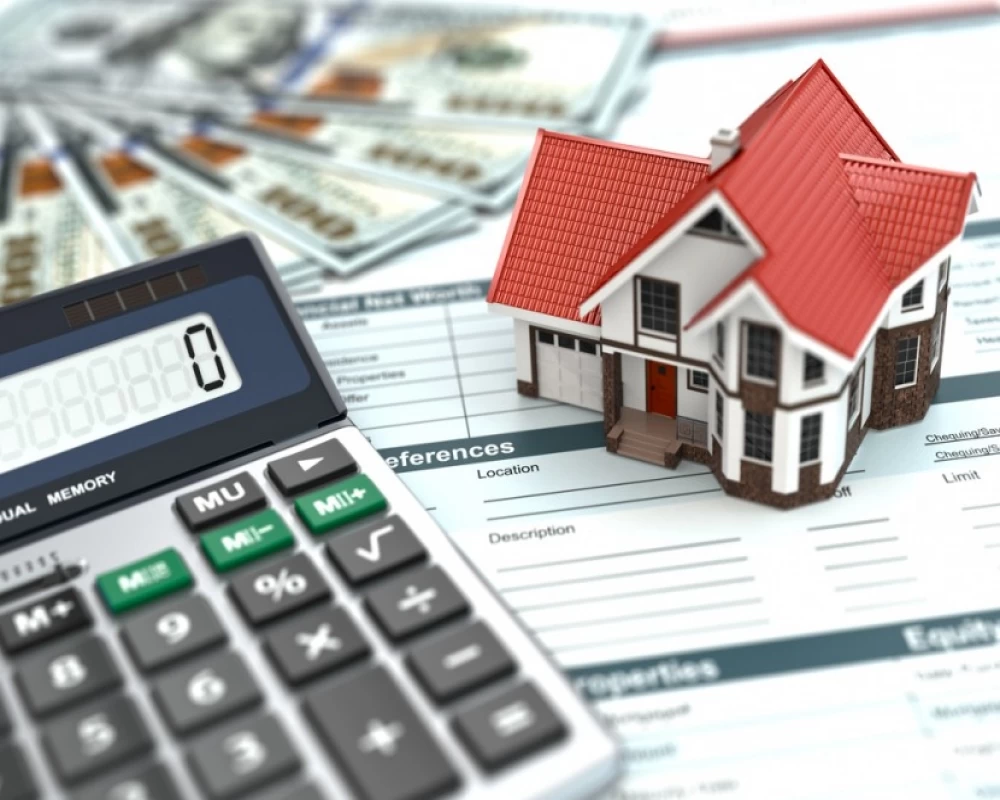
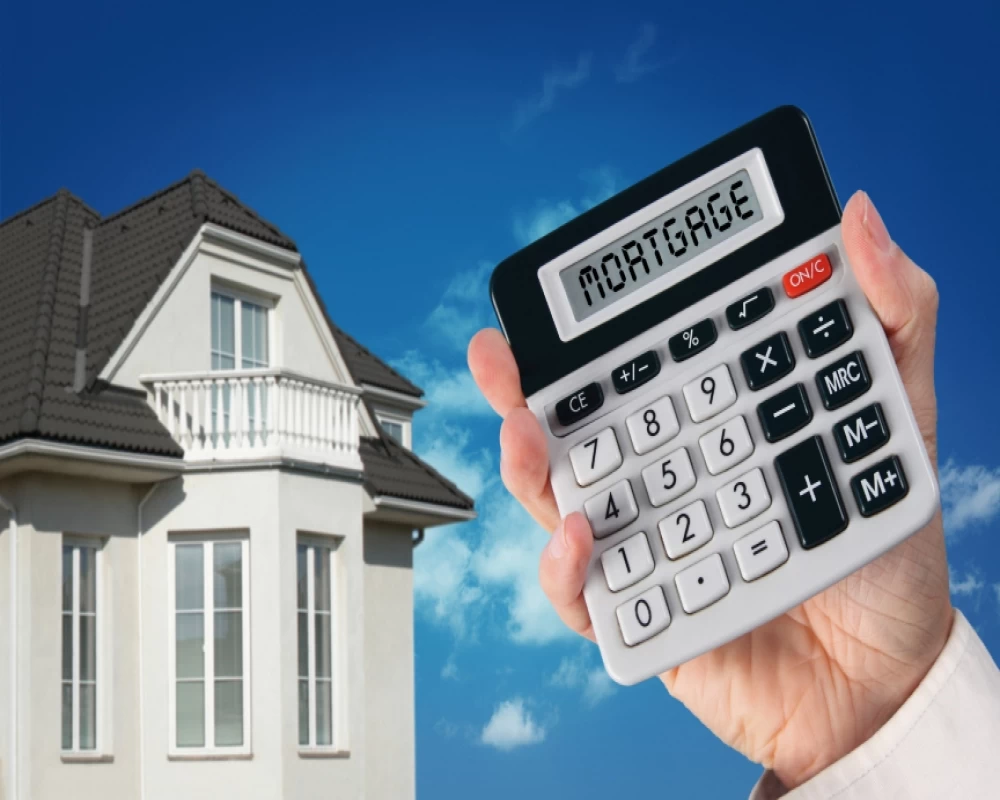
Your overseas property purchase doesn’t need to be stopped by financing. You can apply for a mortgage. However, getting mortgage for foreign property isn’t like getting a mortgage at home. This article considers some ways to tip the balance in your favor.

Why bank financing isn't always available for overseas property

When it is available and comes with no string attached, bank financing is the best option to buy foreign real estate. But alas, it’s not usually available. In many markets, it's hard to get loans as a foreign buyer. In Colombia for example, banks don't care if you're a legal resident, as long as you're a foreign buyer, you're not getting mortgage. It's easy to see why this is so. A foreign buyer isn't tied to the country; he can up and leave at any time, taking the bank's money with him. Banks wouldn't want to take this risk. Hence the hassles of getting mortgage for foreign property. This is one of the things stopping passionate investors from traversing foreign lands.

Resident and non-resident bank financing

So, let's say bank financing is available; it most likely would come in one of the following categorizations:

Ø  Resident financing: Except for countries like Colombia, most local banks would treat your loan application as they would treat that of a citizen if you're a legal resident. You'll have to prove credit worthiness just like any citizen and may not have to go through any other process or requirements. This is called resident financing.

Ø  Non-resident financing on the other hand is difficult to secure. Wherever it is available (countries like France, US, Mexico, Panama, The Dominican Republic, Portugal and New Zealand), it comes with a number of restrictions and requirements. Also, the rate you get may not be favorable, except in France, where it's possible for a non-resident with good credit to access a 20-year mortgage at a rate of just 2.25 percent.

Tips To Get Mortgage When Buying Foreign Property

So, here are some tips to help you secure mortgage when buying foreign real estate

1. Don't go it alone.

Even professional property investors get professional assistance when buying foreign property; this could be through experienced local agents or friends. They understand that investing overseas is a much different ball game. If you're in the UK, you can seek the help of an agent selling property overseas through the following bodies:

  1. The Association of International Property Professionals (AIPP) and
  2. The National Association of Estate Agents International

2. Find a bank that has a presence in your country and the country in which you want to buy a property.

According to Glenn Carter, a Canadian investor who works for Condo Capital "The problem is a foreign credit score does not count for anything, it's just like having no credit score”. This means the interest rates you’ll be quoted will be that of someone with no credit. But a bank with presence in your home country will offer favorable rates. "The interest rate I was quoted from a US Bank was 9%, versus the 3% we got from a Canadian bank with branches in the US.” Carter says.

3. Get an Agreement in Principle

Before signing any contracts or paying deposit, get an Agreement in Principle. Learn more about Agreements in Principle. If you're planning on getting finance on the house, make sure this is explained in the contract, and seek an 'opt-out clause' if the loan is not agreed. This will ensure any first deposit paid is refunded.



Previous Post

Follow These Tips to Sell Overseas Property Fast

Next Post

How to Successfully Buy Overseas Preconstruction Homes

Related Posts

20250426153525_680cfd3dbc7b7.webp

The Rise of PropTech in Real Estate

  • 26, April 2025

In recent years, the real estate sector has undergone an unprecedented transformation thanks to the integration of technology. This phenomenon, known as PropTech (Property Technology), is revolutionizing the way we buy, sell, rent, and manage properties. Digital innovation is redefining every aspect of the real estate market, offering both new opportunities and challenges for professionals and investors alike.

What is PropTech?

The term PropTech refers to the use of technology to improve or reinvent real estate services and processes. It covers a wide range of solutions, including digital platforms for property sales and rentals, asset management software, virtual tours, blockchain-based contracts, and even investments in virtual real estate in the metaverse.

PropTech startups are growing rapidly, offering tools that make the market more transparent, efficient, and accessible. Technologies like artificial intelligence, big data, and the Internet of Things (IoT) are turning real estate decisions into more analytical and data-driven processes.

Impact on the Real Estate Market

One of the most visible changes is the automation of processes. Buying or renting a property — once slow and complicated — can now be handled almost entirely online. Clients can explore properties through 3D virtual tours, sign contracts digitally, and receive assistance from smart chatbots.

Property management is also evolving: software allows owners to monitor maintenance, rental payments, and property performance in real time. Meanwhile, real estate crowdfunding platforms are democratizing investment, allowing a wider audience to access real estate opportunities.

Challenges of PropTech

Despite the vast opportunities, PropTech also presents several challenges. Data protection and cybersecurity are major concerns, given the large volume of sensitive information handled by digital platforms. Additionally, the rapid pace of technological innovation requires continuous adaptation by real estate agents, developers, and investors, who must update their skills to stay competitive.

Another issue is accessibility: not all segments of the population have equal access to digital technologies, which can deepen social and economic divides.

The Future of PropTech

PropTech is no longer just an emerging trend; it is becoming a fundamental part of the real estate industry. In the coming years, we can expect deeper integration with advanced technologies like machine learning, augmented reality, and blockchain, making the market even more dynamic and customer-focused.

Those who embrace change and invest in digital transformation will gain a significant competitive advantage. Meanwhile, those who cling to traditional models risk falling behind in an increasingly fast-paced and demanding market

20230526052122_647041d211733.webp

3 Steps to Determine the Fair Market Value of Foreign Real Estate

  • 01, August 2023

You don’t want to pay excess on a property. So, it’s important to know what a home really costs on the equity scale

Real estate whether home or abroad is a substantial, long-term investment. It is therefore imperative that you research various countries and neighborhoods before choosing one to invest in because economists agree that there is an opportunity cost to investing in a particular property.

Your research should include the existence of changing political and economic scenarios, as these would have profound impact on the housing market, especially influencing central bank rates and lending policies.

Factors Affecting Market Value of Foreign Real Estate

Location is critical. Apart from the real estate conditions existent in the country, you don't want a place with high crime rate and bad transport system. But looking ahead, you have to examine the profitability of your investment. Home appraisers looking at homes consider features like property age, lot size, internal square footage, number of bedrooms and bathrooms, amenities and overall condition. Hence the first step in determining your home's market value is taking an appraiser’s glasses and looking at the home objectively, writing down the principal features of your home.

How to Determine Market Value of Foreign Real Estate

Valuing a home is not an exact science but here are some things you can do to make a ‘scientific’ guess on the fair market value of a property abroad.

1. Check out comps.

Find four or five comparable homes in the area that have sold within the past six months. A local agent should be able to help you with that data. Your research on comparable homes (comps) will give you a good indication of what your intended property might be worth. Comparable homes should be roughly the same size, construction, age and style with the same number of rooms, layout and other features. You want to identify the prices at which these properties sold and how fast they left the market.

2. Calculate the rate per square foot.

For each of your comps, divide the selling price by the square footage of the property. This gives you a price per square foot or PPSF. Find the average value of these homes by adding the PPSF figures and dividing by the number of comps you are using. For example, suppose it has the following compositions:

Property A is 2,000 square feet and sells for $ 420,000. The PPSF is $ 210.

Property B is 2,200 square feet and sells for $ 480,000. The PPSF is $ 218.

Property C is 1,900 square feet and sells for $ 390,000. The PPSF is $ 205.

Property D is 2,000 square feet and sells for $ 475,000. The PPSF is $ 237.

The average price per square foot is $ 217. Multiply this figure by the number of square feet of your home to get a rough idea of ??the market value of your home.

3. Consider the special qualities of your home.

While the PPSF gives a benchmark, it does not take into account the unique features that could raise or lower the value of your home. Improvements like a new bathroom, kitchen or siding tend to add value; On the contrary, it is likely that a home in poor condition will have a lower value than a well-maintained property. There is usually a wide variety of prices per square foot based on these factors. Ultimately, you have to decide if your home is worth more or less than the average PPSF in your neighborhood.


By Bebuzee Admin Read More
20230526052151_647041ef56a71.webp

Buying Foreign Property 5 Effective Ways to Make Your Offer Stand Out

  • 28, July 2023

In a seller's market, like the US, buyers must be prepared to do some ground work and move fast whenever they spot homes that offer what they are looking for. In a competitive market, a buyer with cash doesn't necessarily win these days. 2015 Realtytrac stats say that about a third of property buyers in the US are cash buyers. Cash might still have an advantage over mortgage but below are some more tips to create a winning offer.

Only a few sellers can reject an offer of cash but chances are you're not the only one bringing cash to the table. Hence you need other strategies when making a home offer:

1. Move fast.

Moving fast could help you win when making a home offer in a competitive market. If you’re dealing with a seller who doesn't have much time (who does?) and wants to sell fast, all you need to do is put your best foot forward and follow other steps in these article to seal the deal.

You can also offer to close quickly. A standard closing period is about 30 days. If you can close in three weeks instead, this could convince the seller to accept your offer even over one that offers more money.

2. Get a professional.

A proactive and knowledgeable agent will know what works in that community and will be able to create a winning offer fast.  A good agent will be the strongest weapon in your arsenal when in a competitive market. A knowledgeable agent will guide you through winning strategies in that competitive market that may seem crazy when you try them in a slower market.

3. Be human.

Display personality with your offer. One way to do this is by writing a letter to the seller that tells him the reason why you want to buy. Indicate a subtle feature you like about the house (which other buyers didn't notice). Other sellers will appear impersonal.

4. An earnest deposit

A substantial first deposit makes a major difference. A reasonable first deposit will be about 3% of the value of the house. A seller often takes this offer seriously and can feel positive you are focused on the stand by position this offer.

This may give you a winning edge. Submitting a pre-approval notice with the first deposit puts your offer before others by telling the owner you are serious.


5. Money talks.

Of course, the more money you can offer upfront, the better your chances. If you can afford a 30% or 40% down payment (or more), sellers will be tempted to accept your offer. And, in the long run, it will save you money on a mortgage, shortening the length of your loan and the interest you pay. You can also waive some contingencies, depending on what your agent approves.

These tips can put your offer on top of the pile. However, in a competitive market, beating the competition depends on your creativity. 

By Bebuzee Admin Read More