3 Steps to Determine the Fair Market Value of Foreign Real Estate
20230526052122_647041d211733.webp

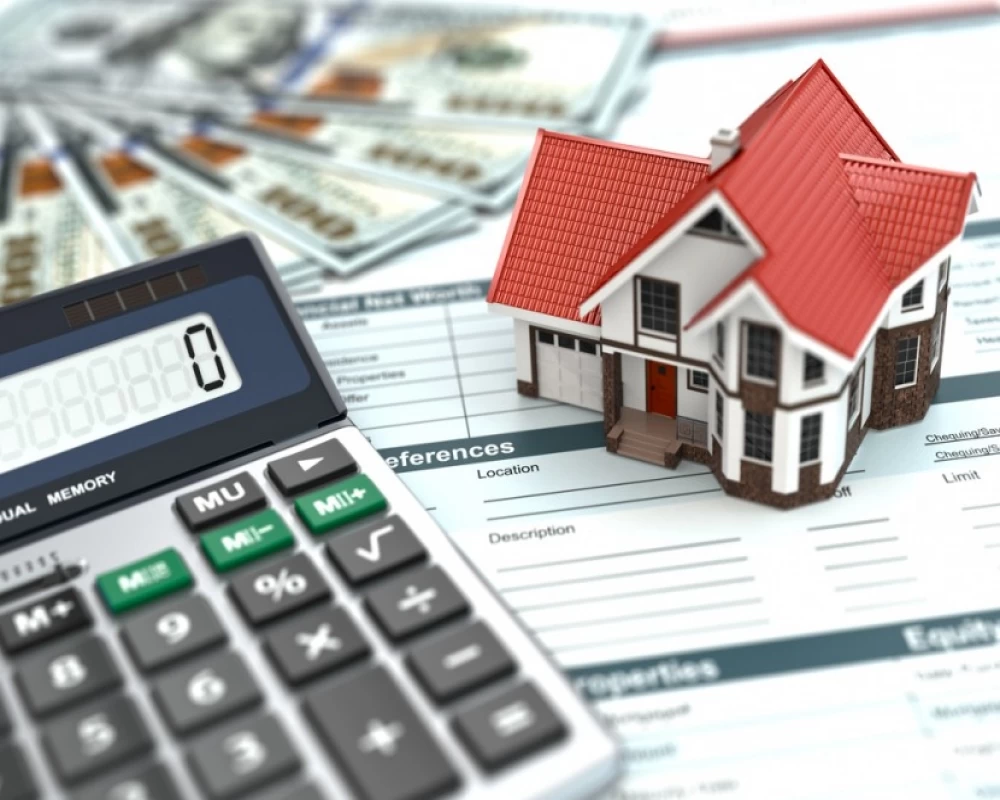
You don’t want to pay excess on a property. So, it’s important to know what a home really costs on the equity scale

Real estate whether home or abroad is a substantial, long-term investment. It is therefore imperative that you research various countries and neighborhoods before choosing one to invest in because economists agree that there is an opportunity cost to investing in a particular property.

Your research should include the existence of changing political and economic scenarios, as these would have profound impact on the housing market, especially influencing central bank rates and lending policies.

Factors Affecting Market Value of Foreign Real Estate

Location is critical. Apart from the real estate conditions existent in the country, you don't want a place with high crime rate and bad transport system. But looking ahead, you have to examine the profitability of your investment. Home appraisers looking at homes consider features like property age, lot size, internal square footage, number of bedrooms and bathrooms, amenities and overall condition. Hence the first step in determining your home's market value is taking an appraiser’s glasses and looking at the home objectively, writing down the principal features of your home.

How to Determine Market Value of Foreign Real Estate

Valuing a home is not an exact science but here are some things you can do to make a ‘scientific’ guess on the fair market value of a property abroad.

1. Check out comps.

Find four or five comparable homes in the area that have sold within the past six months. A local agent should be able to help you with that data. Your research on comparable homes (comps) will give you a good indication of what your intended property might be worth. Comparable homes should be roughly the same size, construction, age and style with the same number of rooms, layout and other features. You want to identify the prices at which these properties sold and how fast they left the market.

2. Calculate the rate per square foot.

For each of your comps, divide the selling price by the square footage of the property. This gives you a price per square foot or PPSF. Find the average value of these homes by adding the PPSF figures and dividing by the number of comps you are using. For example, suppose it has the following compositions:

Property A is 2,000 square feet and sells for $ 420,000. The PPSF is $ 210.

Property B is 2,200 square feet and sells for $ 480,000. The PPSF is $ 218.

Property C is 1,900 square feet and sells for $ 390,000. The PPSF is $ 205.

Property D is 2,000 square feet and sells for $ 475,000. The PPSF is $ 237.

The average price per square foot is $ 217. Multiply this figure by the number of square feet of your home to get a rough idea of ??the market value of your home.

3. Consider the special qualities of your home.

While the PPSF gives a benchmark, it does not take into account the unique features that could raise or lower the value of your home. Improvements like a new bathroom, kitchen or siding tend to add value; On the contrary, it is likely that a home in poor condition will have a lower value than a well-maintained property. There is usually a wide variety of prices per square foot based on these factors. Ultimately, you have to decide if your home is worth more or less than the average PPSF in your neighborhood.



Previous Post

Buying Foreign Property 5 Effective Ways to Make Your Offer Stand Out

Next Post

Top 7 Benefits of Buying Property Abroad

Related Posts

20230526051321_64703ff1b5737.webp

5 Easy Home Design Ideas to Make Over a Room

  • 02, September 2023

What goes on in your head when moving into a new home? Foremost, how do I turn this empty shell of a house into an inviting home that reflects my own personal style? You don't want a bland and boring house. Your new house offers a new start. You can eliminate the junk and put in new digs; you can buy that bed you've always dreamed about; or beef up the kitchen and dining area for maximum comfort and entertainment. The great thing about home decoration is that you have the chance to improve your home's appearance without spending much money. Let's look at some home design ideas for giving each room in your house a makeover.


When giving a home a facelift, sometimes simple solutions can have a big impact. Here are some inexpensive home design ideas to give rooms a new lease of life.


1. Don't rush. You need to take a little time before starting major decor projects in your new home. Take some time to let in the feel and observe what the home needs before buying major stuff. HGTV recommends staying in the house for two months before making significant purchases. You might be spending money on the wrong areas. For example, instead of spending $5,000 on revamping and putting new features in your bathrooms, you might find out that you could spend half the price to get your bathroom in great shape.


2. Add color to walls. For people who get out early, a light shade will do while a deep tone will make the house more homely for those who spend more time indoors. You can also make a statement with a feature wall. Adding a lick of paint to your walls is an inexpensive way to give your room an instant lift. Whether you decorate your entire room in an intense shade or opt for a stylish two-toned plan, fresh color on your walls guarantee oodles of glamor.


3. Pare down. Now it's time to reassess and evaluate what works and what doesn't. Don't pack everything from your old home over. You don't really need everything you've accumulated. They will only make rooms stuffy. Having a new house gives you chance to try out a fresh approach. This means you can pare down on tired pieces that will only clutter up your space. You can sell these items off on eBay or drop them off at a charity shop.


4. Use right lighting. Transform the mood of rooms at a cheap price with the right lighting. You can also invest in dimmers to switch from bright to low lighting. When decorating bathrooms, try out stylish lights. For bedrooms, buy a fresh shade for lamps. You can give your room a cohesive style with stylish lighting.


5. Update roller blinds. Whether you go for a subtle floral pattern or statement stripes, roller blinds for your windows are great low-cost, high impact options for designing rooms. They can transform your dull windows and complement other designs in your room.

Less is often more when decorating and less is also eco-friendly. No matter how small your space, you can always let your creativity shine through.


By Bebuzee Admin Read More
20230526052219_6470420b58779.webp

How to Successfully Buy Overseas Preconstruction Homes

  • 27, July 2023

This article explores the advantages of buying preconstruction homes overseas, the risks involved and some precautions to take.

The Advantages of Buying Preconstruction Homes

Buying preconstruction homes definitely offer great advantages. First you get to CHOOSE! You don't just settle for any kind of property; you can select design features and specifications. You can actually be involved in the design of your new investment. If you're a property specialist, you will be able to tweak some features and make the home desirable to prospective tenants.

Also, these kinds of properties offer the best deals. You get the lowest deals on pre-construction homes within the first two weeks of the project's launching. Buying a preconstruction home also means that you don't have to worry about repairs and maintenance. You may not have to perform renovation on a new home for the next five years.

Buying Preconstruction Homes Overseas Is Risky

Just as they offer great rewards, buying pre-construction real estate overseas can quickly turn out to be a sour deal. Hence these investments require foresight, research and an ability to think and make deductions like an investor rather than the average buyer. You should be able to determine where the neighborhood is heading in the near future and also make a comparison of project options within your budget constraints.

The biggest risk behind pre-construction houses is that it's a non-liquid investment. For the period in which the property is being built, which can be two to four years, in the case of condo units, you freeze up a large chunk of capital. Although you might have access to visual representations or projections, you're practically buying an invisible property. You've not seen the finishes or the outward finishes.

These properties also require more down-payment requirements than their resale counterparts and you can't touch your cash or pull out should you need your money. So, it is a risky proposition. How do you protect your investment in this case?

Rules To Follow When Buying Preconstruction Homes Overseas

1. Never pay the full price upfront on a pre-construction property. It's standard to pay 30% of the cost during construction and the rest on completion. You should pay the balance when the property is move-in ready and when you can transfer the title to your name.

2. Check the specification. Do not leave this to the developer. The more detail you add to your contract, the more likely you are to get what you expect. Detail all. Start with the exact size of the home, broken down by rooms and hallways, patios, balconies and storage space.

3. Time. Get a clear deadline for the completion and delivery of the property. Most developers do not finish as scheduled. But do not allow the developer to add a 12-month overload period and go scot-free. He should have to pay a fine if he’s unreasonably late.

4. Make sure you are covered if something goes wrong. The contract should give you a decent time frame for snag-checking, and outline what type of builder's warranty you get. Be sure to include a clause that covers what kind of steps you will take if you cannot resolve a problem with the developer, be it mediation with a trade body, arbitration or a lawsuit. In some countries, if the developer doesn’t complete the property, you will get some of your money. That is not the norm, though.

Buying pre-construction property can be very profitable when you’re in the right market. These rules will help put you on the right track for a successful purchase.

By Bebuzee Admin Read More
20250426153525_680cfd3dbc7b7.webp

The Rise of PropTech in Real Estate

  • 26, April 2025

In recent years, the real estate sector has undergone an unprecedented transformation thanks to the integration of technology. This phenomenon, known as PropTech (Property Technology), is revolutionizing the way we buy, sell, rent, and manage properties. Digital innovation is redefining every aspect of the real estate market, offering both new opportunities and challenges for professionals and investors alike.

What is PropTech?

The term PropTech refers to the use of technology to improve or reinvent real estate services and processes. It covers a wide range of solutions, including digital platforms for property sales and rentals, asset management software, virtual tours, blockchain-based contracts, and even investments in virtual real estate in the metaverse.

PropTech startups are growing rapidly, offering tools that make the market more transparent, efficient, and accessible. Technologies like artificial intelligence, big data, and the Internet of Things (IoT) are turning real estate decisions into more analytical and data-driven processes.

Impact on the Real Estate Market

One of the most visible changes is the automation of processes. Buying or renting a property — once slow and complicated — can now be handled almost entirely online. Clients can explore properties through 3D virtual tours, sign contracts digitally, and receive assistance from smart chatbots.

Property management is also evolving: software allows owners to monitor maintenance, rental payments, and property performance in real time. Meanwhile, real estate crowdfunding platforms are democratizing investment, allowing a wider audience to access real estate opportunities.

Challenges of PropTech

Despite the vast opportunities, PropTech also presents several challenges. Data protection and cybersecurity are major concerns, given the large volume of sensitive information handled by digital platforms. Additionally, the rapid pace of technological innovation requires continuous adaptation by real estate agents, developers, and investors, who must update their skills to stay competitive.

Another issue is accessibility: not all segments of the population have equal access to digital technologies, which can deepen social and economic divides.

The Future of PropTech

PropTech is no longer just an emerging trend; it is becoming a fundamental part of the real estate industry. In the coming years, we can expect deeper integration with advanced technologies like machine learning, augmented reality, and blockchain, making the market even more dynamic and customer-focused.

Those who embrace change and invest in digital transformation will gain a significant competitive advantage. Meanwhile, those who cling to traditional models risk falling behind in an increasingly fast-paced and demanding market