Buying a Property Abroad Tips for Investors Entering the Foreign Property Market for the First Time

20230526052825_64704379e6848.webp

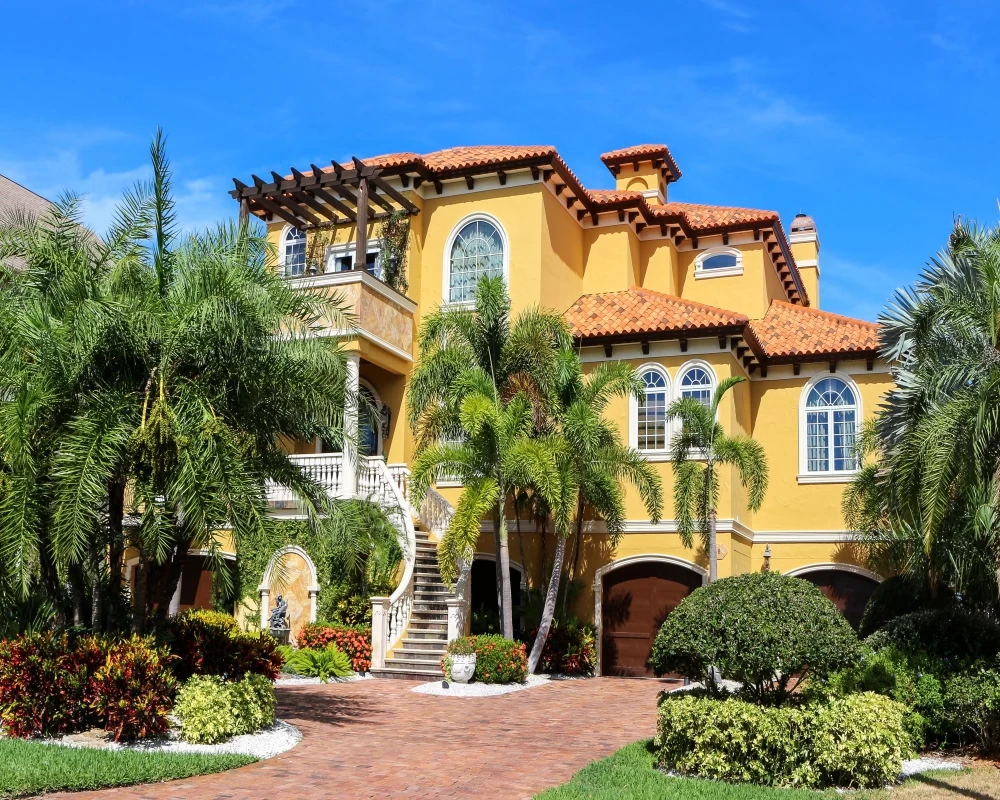
It's easy to see why many people dream of buying a property abroad. You can retire on a sea front property or a beach house on one of the popular European costs. Some people have a lifetime dream of living in an alluring resort villa abroad.

As a traveler, it's easy to fall in love with a particular place so much that you develop an ambition to buy a house or an apartment there. If your job requires travelling a lot and you have the means and the courage to buy a property in one of the cities you frequent, why not? This would be a home you can return to on your next business trip.

You can also make a living off renting out foreign property. If you have an investment unit in a tourist location, you'll be getting big returns. This becomes more profitable as currency exchange rates tip in your favor. Exploring foreign housing opportunities is good but here are some things to consider if you're going in for the first time.

Factors You Need To Consider When Buying a Property abroad

1. Purpose of Purchase and exit strategy.

Why are you buying property abroad? Whether you're buying to live in it, for future retirement, for a family member who might be living or working there, perhaps to rent out or to resell at a higher rate, going in with a clear purpose will give you direction and keep things in perspective.

Having an exit strategy is also important. If things don't go as planned, what are the prospects of selling? Knowing your exit strategy before you make a purchase is key. You need to check the attractiveness of the location and the expected demand for housing as well as any renting or selling restriction on foreign property.

2. Growth prospects of the location's economy

You'll want to purchase a house that is situated where there are flourishing businesses or there are forthcoming growth potentials.

3. Land Regulations.

Unlike the purchase of local property, buying a house abroad is not so simple. This is because the laws of foreign ownership differ from country to country. Foreign buyers tend to have more hoops to jump through the purchase of land and face a more complicated buying process.


4. Potential Property Performance.

Any person buying a property abroad expects to earn from their investment. Before signing any agreement, be sure to ask for evidence to substantiate the projected returns, either through supporting investment reports or external surveys from credible sources.

Tips for New Foreign Property Buyers

1. Thoroughly research the market.

Although global trends in property prices occur, real estate markets in different countries will likely go through separate cycles of rise and falls. If real estate values ??are increasing in London, that doesn’t mean that they are also increasing in Italy or Spain. For those who buy to invest, it is important to pay attention to these trends - the ideal is to buy near the bottom and sell close to the top of a cycle.

2. Use a real estate agent.

Buying directly from an owner can sometimes be a big deal. However, if you are not familiar with the foreign real estate market or struggle with the local language, buying through a real estate agent or a reputable real estate developer can provide a useful guide and help you avoid a number of pitfalls.

3. Have your documents translated.

Before signing any documents related to a potential purchase, make sure that you have translated them professionally. It is essential that you understand any document you will be signing.

Previous Post

How Much Should I expect To Pay in Stamp Duty Fees When Buying Foreign Property?

Next Post

3 Tips to Secure Financing for Foreign Property as a Boomerang Home Buyer in the US

Related Posts

20230526051448_6470404819b05.webp

5 Inexpensive Home Improvement Tips To Improve Your Homes Value

  • 29, August 2023

Depending on your home's value, your market and comps in your neighborhood, you could consider making renovations in your home before listing. In a place like New York, however, where houses are being snapped up fast and prices are over the roof, renovating your house for sale might be a crazy idea. But in suburbs with high inventory, your house needs to measure up.


When selling, you wouldn't be looking through the same eyeglasses as a new homeowner. Your calculations and priorities will be much different. The most important thing when you have to consider value is return on investment. What renovations will make my house sell fast and at the same time give good return on investment? Before you embark on gutting your circa 1990 kitchen, the first thing you might need to do is consult an experienced realtor who knows what works best in your particular neighborhood.


You might find out that minor cosmetic upgrades will get more buyers through the door. And yea, the door is important. Instead of spending money on pricey renovations like adding a deck or basement revamp, Remodeling magazine’s 2015 Cost vs. Value Report says that replacing your existing front door with a new steel door will net you a 101.8% ROI for a minimal replacement cost of $1,230. Knowing which areas to spend on will help save you a lot of money when making renovations. Let's look at five low-cost ways to increase your home's value.


        Inexpensive Home Improvement Tips to Improve Your Home’s Value


1. Consider curb appeal. Nothing says 'welcome to this lovely house' to a prospective buyer as a nicely mowed lawn, a few shrubs here and there and a well-swept walkway. The first impression buyers have as they drive to your home is truly important. So, it's necessary you set the stage right. Hiring a good landscaper will be worth the money. Not only will your home appeal to prospective buyers, your neighbor would also love the effort.


2. Have a cohesive kitchen. Kitchen plays a big role in home improvement. Many Realtors call it the heart of the home. Indeed it is; since an average American homeowner spends at least 37 minutes daily in the kitchen. Sprucing up your kitchen demands that you create the impression of a clean and updated kitchen. One way to achieve this impression is creating cohesiveness, especially with color. Mix and match kitchens are not the best. If your kitchen appliances don't match, consider ordering new doors, e.g new cabinet doors or face panels for them.


3. Work on your bathroom. Next to the kitchen, bathrooms are important to potential home buyers. You can make a difference in your bathroom at a low cost by adding new toilet seat and a pedestal sink. These are also pretty easy for homeowners to install on their own. One thing you may not be able to do on your own but which will add value to your bathroom is replacing an old, discolored, bathroom floor with vinyl tiles. Bright, energy efficient lighting will also improve your bathroom's appeal.


4. Update closets. Cramped storage spaces are not attractive to potential buyers. You can step up your storage by adding a do-it-yourself wire and laminate system to bedrooms and pantries.


5. Check the mechanics. Having a minor inspection and working on existing faults in your home like faulty outlets, loose wires and water leaks give the impression that someone has really taken care of the home.


By Bebuzee Admin Read More
20250426153525_680cfd3dbc7b7.webp

The Rise of PropTech in Real Estate

  • 26, April 2025

In recent years, the real estate sector has undergone an unprecedented transformation thanks to the integration of technology. This phenomenon, known as PropTech (Property Technology), is revolutionizing the way we buy, sell, rent, and manage properties. Digital innovation is redefining every aspect of the real estate market, offering both new opportunities and challenges for professionals and investors alike.

What is PropTech?

The term PropTech refers to the use of technology to improve or reinvent real estate services and processes. It covers a wide range of solutions, including digital platforms for property sales and rentals, asset management software, virtual tours, blockchain-based contracts, and even investments in virtual real estate in the metaverse.

PropTech startups are growing rapidly, offering tools that make the market more transparent, efficient, and accessible. Technologies like artificial intelligence, big data, and the Internet of Things (IoT) are turning real estate decisions into more analytical and data-driven processes.

Impact on the Real Estate Market

One of the most visible changes is the automation of processes. Buying or renting a property — once slow and complicated — can now be handled almost entirely online. Clients can explore properties through 3D virtual tours, sign contracts digitally, and receive assistance from smart chatbots.

Property management is also evolving: software allows owners to monitor maintenance, rental payments, and property performance in real time. Meanwhile, real estate crowdfunding platforms are democratizing investment, allowing a wider audience to access real estate opportunities.

Challenges of PropTech

Despite the vast opportunities, PropTech also presents several challenges. Data protection and cybersecurity are major concerns, given the large volume of sensitive information handled by digital platforms. Additionally, the rapid pace of technological innovation requires continuous adaptation by real estate agents, developers, and investors, who must update their skills to stay competitive.

Another issue is accessibility: not all segments of the population have equal access to digital technologies, which can deepen social and economic divides.

The Future of PropTech

PropTech is no longer just an emerging trend; it is becoming a fundamental part of the real estate industry. In the coming years, we can expect deeper integration with advanced technologies like machine learning, augmented reality, and blockchain, making the market even more dynamic and customer-focused.

Those who embrace change and invest in digital transformation will gain a significant competitive advantage. Meanwhile, those who cling to traditional models risk falling behind in an increasingly fast-paced and demanding market

20230526052122_647041d211733.webp

3 Steps to Determine the Fair Market Value of Foreign Real Estate

  • 01, August 2023

You don’t want to pay excess on a property. So, it’s important to know what a home really costs on the equity scale

Real estate whether home or abroad is a substantial, long-term investment. It is therefore imperative that you research various countries and neighborhoods before choosing one to invest in because economists agree that there is an opportunity cost to investing in a particular property.

Your research should include the existence of changing political and economic scenarios, as these would have profound impact on the housing market, especially influencing central bank rates and lending policies.

Factors Affecting Market Value of Foreign Real Estate

Location is critical. Apart from the real estate conditions existent in the country, you don't want a place with high crime rate and bad transport system. But looking ahead, you have to examine the profitability of your investment. Home appraisers looking at homes consider features like property age, lot size, internal square footage, number of bedrooms and bathrooms, amenities and overall condition. Hence the first step in determining your home's market value is taking an appraiser’s glasses and looking at the home objectively, writing down the principal features of your home.

How to Determine Market Value of Foreign Real Estate

Valuing a home is not an exact science but here are some things you can do to make a ‘scientific’ guess on the fair market value of a property abroad.

1. Check out comps.

Find four or five comparable homes in the area that have sold within the past six months. A local agent should be able to help you with that data. Your research on comparable homes (comps) will give you a good indication of what your intended property might be worth. Comparable homes should be roughly the same size, construction, age and style with the same number of rooms, layout and other features. You want to identify the prices at which these properties sold and how fast they left the market.

2. Calculate the rate per square foot.

For each of your comps, divide the selling price by the square footage of the property. This gives you a price per square foot or PPSF. Find the average value of these homes by adding the PPSF figures and dividing by the number of comps you are using. For example, suppose it has the following compositions:

Property A is 2,000 square feet and sells for $ 420,000. The PPSF is $ 210.

Property B is 2,200 square feet and sells for $ 480,000. The PPSF is $ 218.

Property C is 1,900 square feet and sells for $ 390,000. The PPSF is $ 205.

Property D is 2,000 square feet and sells for $ 475,000. The PPSF is $ 237.

The average price per square foot is $ 217. Multiply this figure by the number of square feet of your home to get a rough idea of ??the market value of your home.

3. Consider the special qualities of your home.

While the PPSF gives a benchmark, it does not take into account the unique features that could raise or lower the value of your home. Improvements like a new bathroom, kitchen or siding tend to add value; On the contrary, it is likely that a home in poor condition will have a lower value than a well-maintained property. There is usually a wide variety of prices per square foot based on these factors. Ultimately, you have to decide if your home is worth more or less than the average PPSF in your neighborhood.


By Bebuzee Admin Read More