The Ancient Roots of Greek Souvlaki, the World's First Fast Food

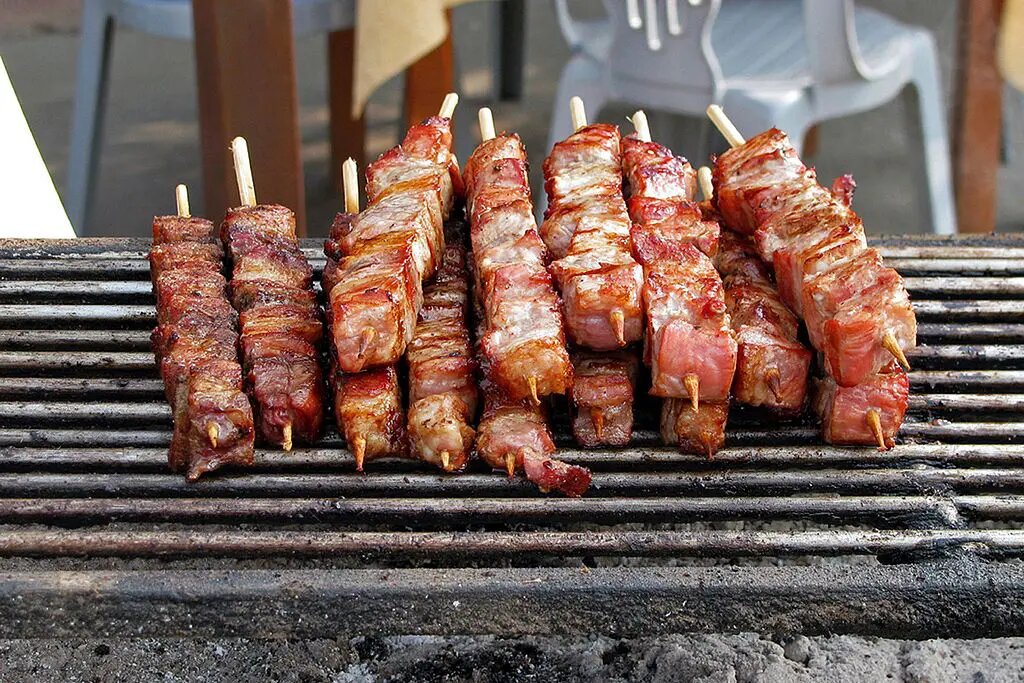
The word “souvlaki” is synonymous with Greek food, whether the term refers simply to grilled meat on a small wooden skewer or the soft pita bread stuffed with meat, tomatoes, onions, tzatziki, and French fries.
Although many cultures have a meat dish on a skewer, archaeological findings and writings clearly show that today’s souvlaki comes from the ancient Greeks.
The origins of souvlaki as slices of meat grilled on a spit date back to ancient Greece. This food, known as obeliskos (the diminutive of obelos – “spit”), was even mentioned in the works of Aristophanes, Xenophon, Aristotle and others.
A dish of bread stuffed with meat which resembles the way pita souvlaki is served today with pita bread was also attested to by Athenaeus in his “Deipnosophistae.”
Researcher George Katsos, the managing director of doitinAthens start-up company with the motto “Experience Ancient Greek Life”, says:
“According to archaeological finds, the inhabitants of Greece are one of the first people in the world who sliced and roasted several types of meats almost four millennia ago, applying a new cooking method to the traditional boiling process of the Neolithic Age.”
The skewered meat recipe existed as a favorite in ancient Greece during Archaic times, with the earliest references to this practice in the works of Homer.
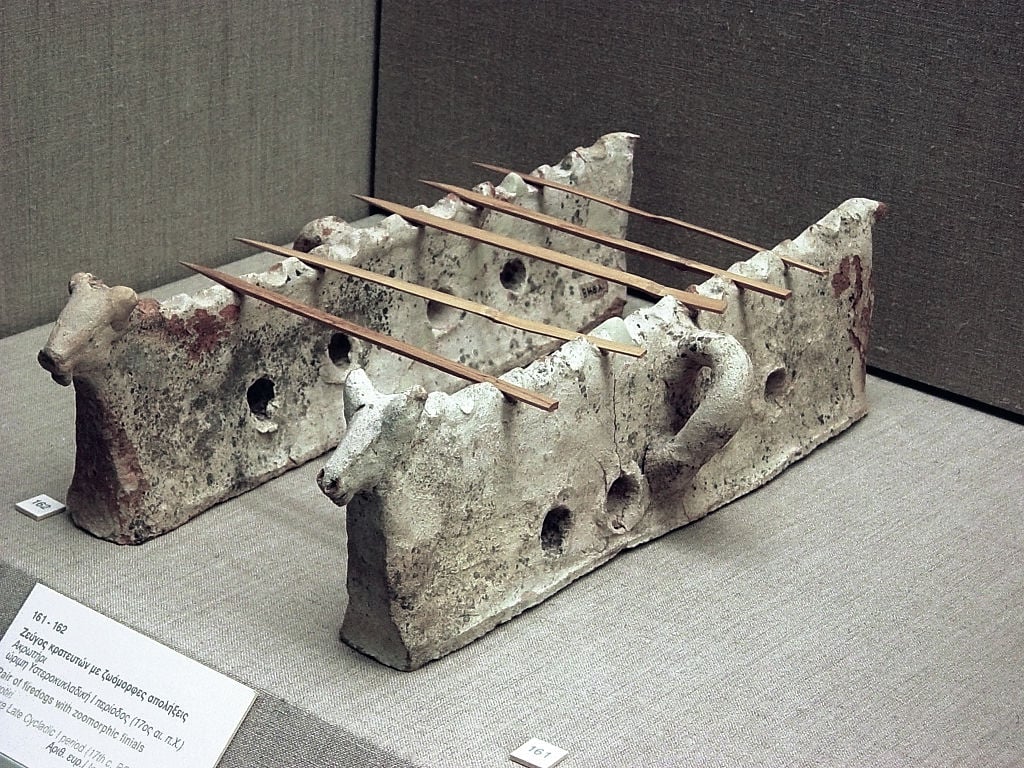
Archaeologists have uncovered ancient grills for souvlaki
However, excavations held in Akrotiri on Santorini by professor Christos G. Doumas have unearthed stone barbecue holders for skewers (Greek: krateutai) which were used before the 17th century BC and were popular before the disastrous eruption of the island’s volcano.
Even later on, during the Byzantine era, references describe street vendors selling souvlaki wrapped in pita in Constantinople.
The spectacular krateutai finds show that ancient Greeks were applying new meat-cooking methods, which were so completely different from the traditional boiling process of the Neolithic Age that they could have been called revolutionary, almost four millennia ago. Read More…