Senegalese art sensation Omar Ba reflects on colonialism at Dakar Biennale
-
 Loading...
 - Offusu Gyamfi
- 17 Sep 2024
- 52 Views
- 0 Like
- 0 Comment
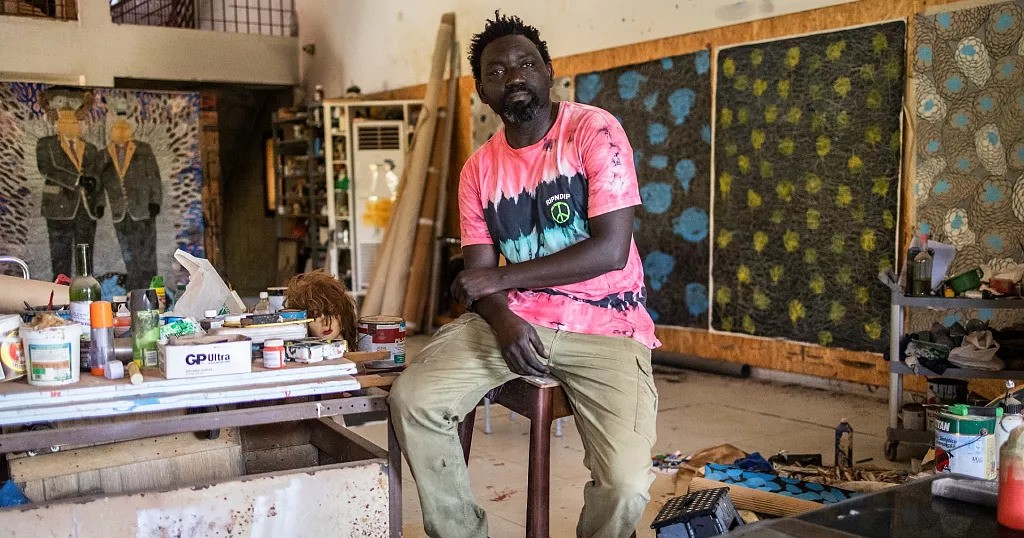
Omar Ba, a 45-year-old Senegalese painter, is making waves in the world of contemporary African art. His work, which explores themes of colonialism, violence, and hope, is currently on display at the 14th Dakar Biennale in his home country. Ba's unique style, which features dream-like visions and hybrid creatures, has captivated audiences around the world.
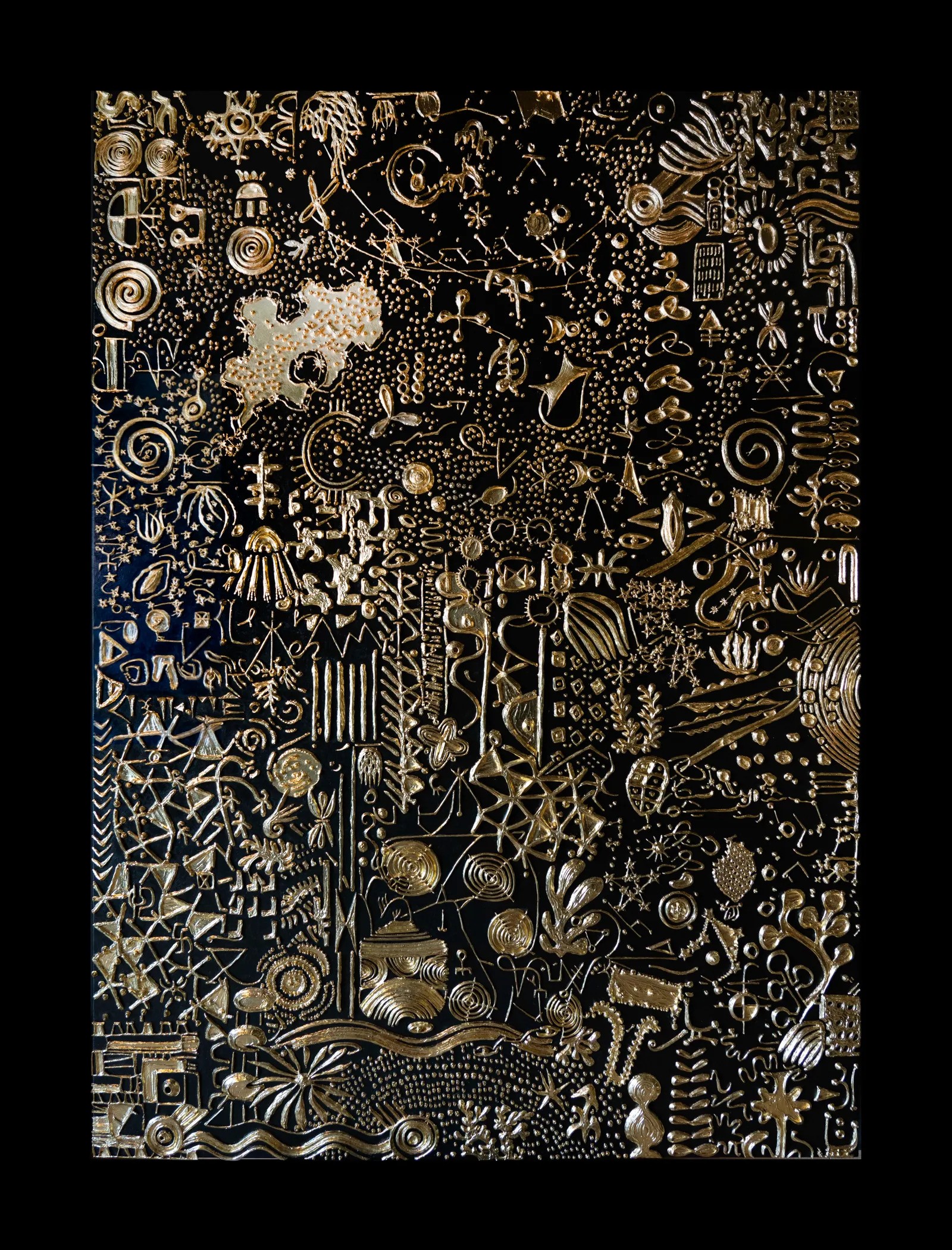
Ba's work begins with a deep, dark shade of black, which he believes allows his drawings to be more readable and clear. He finds the color black to be noble and magnificent, and it serves as the backdrop for his enigmatic and intensely poetic creations. Ba's use of black also serves as a commentary on the way society views the color, often associating it with dirt and darkness. This deliberate choice of color is a reflection of Ba's desire to challenge societal norms and expectations.
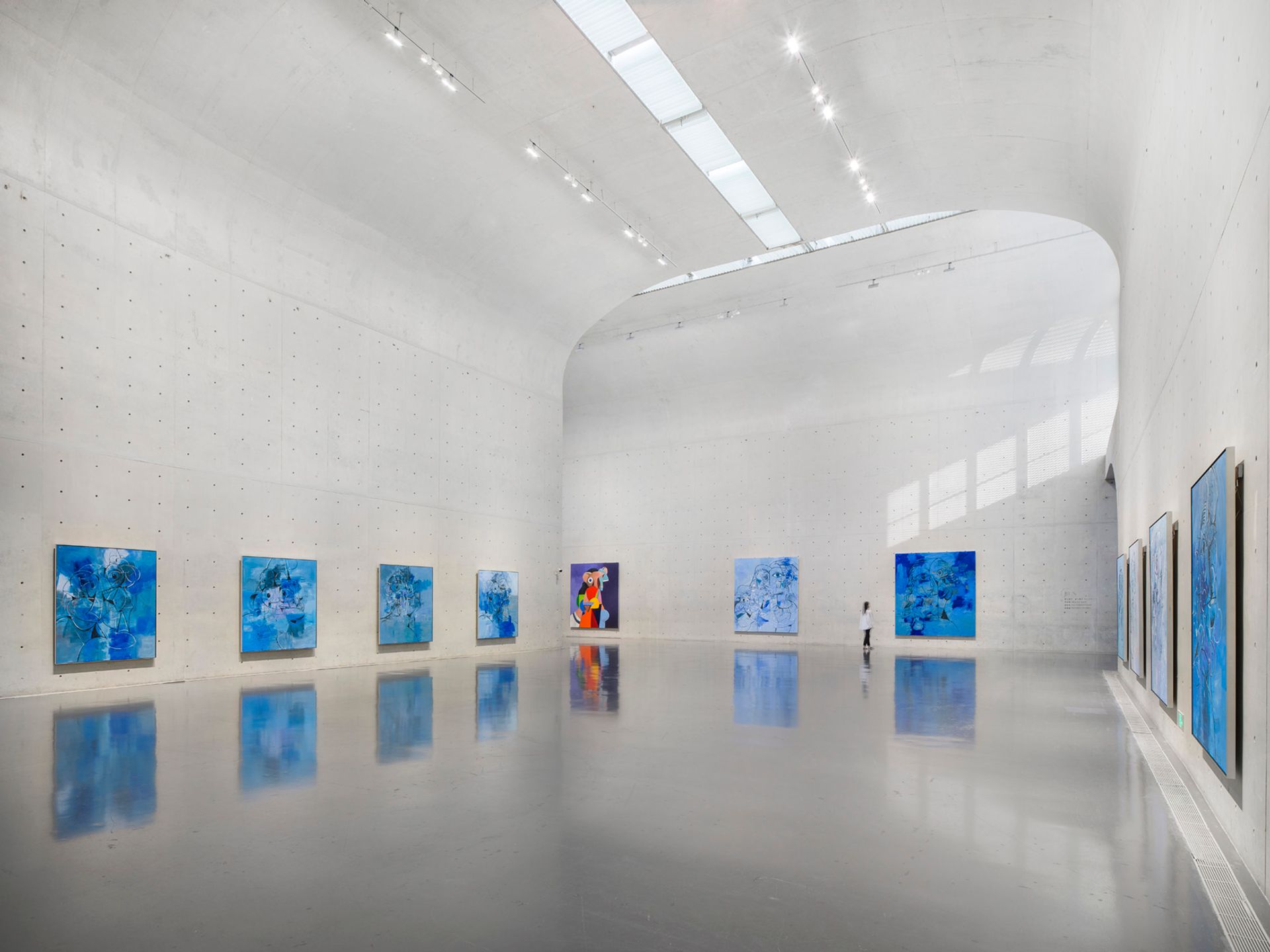
Ba's technique is characterized by the use of bold lines, vibrant colors, and intricate patterns. His paintings are often large-scale, with some pieces reaching up to five meters in length. This scale allows Ba to create immersive and engaging works that draw the viewer in. Ba's use of mixed media, including paint, ink, and paper, adds texture and depth to his paintings, making them visually striking.
Ba's work is inhabited by hybrid creatures with the head of a goat, a ram, or Horus, the falcon-headed Egyptian deity. These creatures embody the traumas inherited from colonialism, tyranny, violence, and North-South inequalities. Ba's use of these creatures is a nod to the natural within the human being, highlighting the way humans often behave like animals in the jungle, trying to dominate others to exist. This theme is reflected in Ba's statement, "It is a nod to the natural within the human being, who I think behaves like an animal in the jungle -- we try to dominate others to be able to exist."
Ba's use of hybrid creatures also serves as a commentary on the complexities of human identity. By combining different animal heads with human bodies, Ba creates a sense of ambiguity and uncertainty, highlighting the fluidity of human identity. This theme is particularly relevant in the context of colonialism, where the imposition of foreign cultures and values often led to the erasure of indigenous identities.
Ba's current work is focused on solutions, as evident in his biennale exhibit. One of his pieces features two figures with trophies for necks standing on an enormous globe and shaking hands, surrounded by laurel branches symbolizing peace. This piece speaks to reconciliation, unity, and an Africa that wins, rather than one that always asks or begs. Ba's focus on solutions is a departure from his earlier work, which often explored the traumas of colonialism and violence. This shift in focus reflects Ba's desire to move beyond critique and towards a more positive and empowering vision for Africa.
Ba's work has been exhibited in numerous galleries and museums around the world, including the Royal Museums of Fine Arts of Belgium, the Centre Pompidou in Paris, and the Louvre Abu Dhabi. He has also been recognized by the Louis Vuitton Foundation for the Contemporary Art. Ba's success is a testament to his innovative and powerful work, which has reinvented painting according to Malick Ndiaye, the biennale's artistic director.
Ba's rise to prominence is also a reflection of the growing recognition of African art on the global stage. In recent years, there has been a surge of interest in African art, with many museums and galleries around the world showcasing the work of African artists. Ba's success is a testament to the rich cultural heritage and creative potential of Africa, and serves as a inspiration to young African artists around the world.
Ba is pleased to see young African artists gaining recognition and exhibiting in internationally recognized museums and galleries. He believes that Africa should be an essential place for art, and his work serves as a testament to the continent's rich cultural heritage and creative potential. Ba's vision for African art is one of empowerment and self-determination, where African artists are able to tell their own stories and showcase their own unique perspectives.
Ba's work serves as a reminder of the importance of preserving and promoting African cultural heritage. By showcasing the work of African artists, Ba hopes to challenge dominant narratives and promote a more nuanced understanding of African culture and identity. Ba's vision for African art is one of inclusivity and diversity, where African artists are able to contribute to the global art conversation on their own terms.
In conclusion, Omar Ba is a rising star in the world of contemporary African art. His unique style, which combines dream-like visions and hybrid creatures, has captivated audiences around the world. Ba's work serves as a commentary on the complexities of human identity, the traumas of colonialism, and the importance of preserving and promoting African cultural heritage. As Ba continues to push the boundaries of what is possible in African art, his work serves as a testament to the continent's rich cultural heritage and creative potential.